
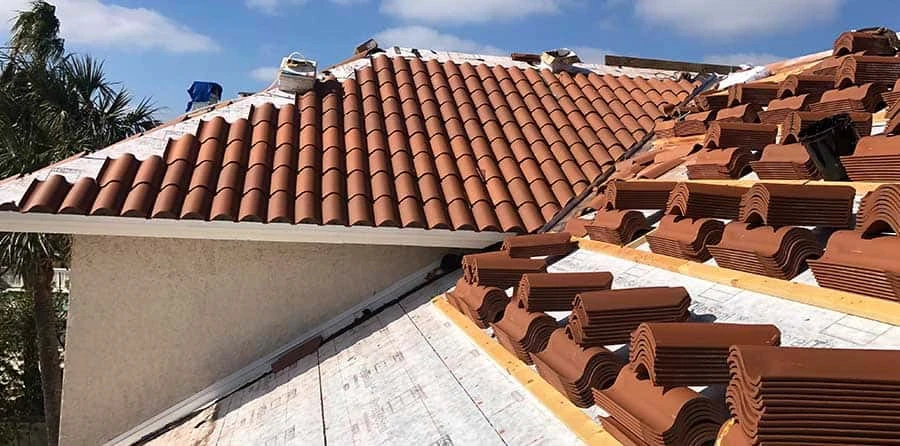
Rustic terracotta roof tiles with their elegant, long-lasting, decayed-looking long lifetime are also not exempt from wear and tear after all these years. Once you have installed a terracotta roof, you can expect it to get worn out after some time, be it in a hot and dry climate or in a climatic setting characterized by seasons with freeze-thaw processes. The point is to nip the problems in the bud and learn how to do so in an adequate way.
This is a guide that divides the most common causes of failure in terracotta roofs, what to look out for, and what U.S. residents can do to rehabilitate and save their investment.
Understanding Terracotta Roof Aging
Terracotta, or "baked earth," is a natural clay material that performs well in a range of conditions. But over time, several factors can compromise even the best-installed terracotta roofs:
- Weather extremes (heat, cold, hail, wind)
- Water intrusion
- Poor installation or outdated materials
- Physical impacts (e.g., falling branches)
- Lack of maintenance
Even when problems start small, neglecting them can result in leaks, mould growth, wood rot, and expensive structural damage.
Common Causes of Terracotta Roof Failure
1. Cracks from Thermal Expansion
In areas where the temperature varies greatly such as the Midwest or Northeast, terracotta tiles can expand as it gets hot and shrink when it gets cold. This stress comes with no space to move hence the tiles may crack with time.
How to Fix It:
- Use flexible, weather-resistant adhesives during repair or installation
- Add expansion joints at ridgelines to allow for movement.
2. Worn or Damaged Underlayment
Under the tiles is a water proofing layer or underlayment. This important layer keeps water from lapping on to to the wood roof deck. As underlayment gets old it will become brittle, rips or simply looses it's prescence.
How to Fix It:
- During routine inspections, lift a few tiles to check the condition beneath
- Replace deteriorated underlayment with modern, breathable, water-resistant materials.
3. Flashing Failures
It flashes the roof joints of the chimney, vents, and skylights. As long as the flashing is firm and remains tightly connected and rust and barrier-proofed, the water cannot possibly find its way inside the building, except, of course, in the case of the wind-driven rain or the melting of snow.
How to Fix It:
- Inspect all flashing yearly for signs of rust, lifting, or separation
- Upgrade to durable materials like copper or stainless steel for longer-lasting results
4. Physical Impact Damage
Storms, gusty winds or falling branches can break, chip or loosen tiles. Though one cracked piece might look insignificant, it can set a backdoor for water and whatever else could be causing you all the hassle.
How to Fix It:
- After storms, do a visual inspection (binoculars work well from the ground)
- Replace broken tiles promptly to avoid deeper water damage
5. Poor Ventilation
The moisture and heat could accrue due to a lack of air under the roof, and this increases the rate of underlayment breakdown and leads to mould. It also increases the energy costs since it makes your HVAC to toil.
How to Fix It:
- Ensure ridge and soffit vents are clear and functioning
- Consider adding additional vents if your attic feels overly warm or humid
6. Moss, Algae, and Debris Buildup
Moss and algae can flourish in areas that are humid, like the Pacific Northwest, Southeastern territory, and so forth. Leaves and branches can also capture water and clog drainage.
How to Fix It:
- Use a soft brush or professional moss treatment to clean affected areas
- Trim overhanging trees and schedule annual roof cleanings
Signs Your Roof Needs Repair or Restoration
Not every homeowner will know when there is a problem in their terracotta roof without the leaks inside of home being visible. Be on the alert for these warning signals:
- Cracked, chipped, or missing tiles
- Sagging rooflines or uneven tile alignment
- Interior stains on ceilings or attic beams
- Water spots or mould in the attic
- Flashing that is rusted, lifted, or missing
- Gutters clogged with tile fragments or debris
If any of these sound familiar, it’s time to schedule a professional inspection.
How to Restore a Terracotta Roof: A Step-by-Step Guide
Terracotta roof repair may add decades to the life of your roof. This is a tested technique adopted by professional roofer:
Step 1: Inspection by the Professionals
Find a contractor who has installed terracotta roofs to examine tiles, underlayment, flashing and the strength of the structure. This lays the basis of successful repairs.
Step 2: Disposal of Dead Tiles
Any broken tile is to be substituted with one with matches the colour and shape. Experiential roofers are capable of finding the desirable substitute parts and also fitting them without damaging the nearby tiles.
Step 3: Renovate underlayment
In the event that the moisture barrier has been blown, it is possible that one or the whole roof might require new underlayment. Water-resistant material that is not only breathable but also provides decades of protection.
Step 4: Replace / Repair Flashing
Flashing ought to be upgraded where it is old or rusted. This is particularly so as chimneys and valleys are the main areas where leaks begin.
Step 5-Enhance Roof Ventilation
In the case of moisture or excessive heat in the attic, your roofer can advise the installation of new vents or improved ventilation.
Preventative Maintenance Tips
Regular care is the secret to making your terracotta roof last a lifetime. Here’s what to do:
- Inspect annually: Especially after storms or seasonal shifts
- Keep gutters clear: Remove leaves and debris to prevent water buildup
- Clean tiles gently: Avoid power washing; use soft brushes or professional moss removal
- Avoid unnecessary foot traffic: Walking on terracotta can cause cracks. Let pros handle rooftop tasks
When to Consider a Full Roof Replacement
There are also times, when spot repair isn t sufficient. In case more than 30 percent of your tiles became damaged, underlayment fails everywhere or there is visible sagging, restoring or replacing may be the most suitable one.
Luckily, present-day terracotta roofs are available to be put in using improved materials and engineering to obtain greater performance with the same original appeal.
Final Thoughts
Terracotta tiles are also a very pretty, long-term part of your house, but just require a little maintenance to maintain this status. With the knowledge of how something gets damaged, early warning symptoms, and ensuring that the work is done by qualified representatives, you will be able to safeguard your investment in a few decades.
Either you see small cracks or the inspection time is closer, delay is not the best choice. Terracotta roofing not only looks good, but it also servesas an added value in the long run, safety, and energy efficiency to your house.