Industrial plant upgrades are essential for improving operational efficiency, meeting regulatory standards, and integrating new technologies. However, these projects often require temporary shutdowns or re-routing of wastewater systems. To avoid disruptions and maintain environmental compliance, it’s crucial to implement effective temporary wastewater management strategies.
The Importance of Temporary Pumping Solutions
During plant upgrades, existing wastewater systems may be offline or partially functional. This creates the need for alternative methods to manage water flow, control sludge movement, and prevent contamination or flooding. Using reliable, mobile pumping equipment ensures continuity and helps avoid costly delays.
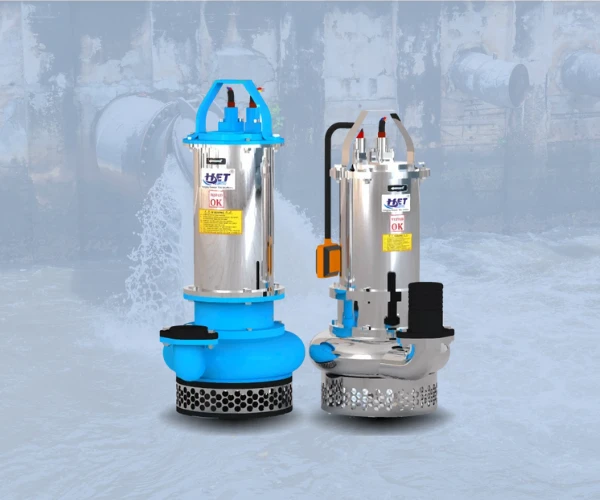
One of the most versatile solutions in such scenarios is the portable submersible drainage pump. Designed for quick deployment, these pumps are compact, lightweight, and highly effective in moving water or light wastewater from one location to another. Their mobility allows them to be placed wherever temporary bypass or drainage is needed without the need for permanent infrastructure.
Managing Waste and Solids
In industrial environments, wastewater often contains solids and heavy sludge. For such applications, a submersible sewage pump is a better fit. These pumps are specifically engineered to handle thicker waste, including organic matter and solid particles, making them ideal for temporary sewage bypass operations during plant renovations.
Pairing portable submersible drainage pumps with submersible sewage pumps provides a comprehensive solution for handling both light and heavy wastewater across the site.
Fast Setup and Minimal Downtime
|Time is critical during plant upgrades. Portable submersible pumps offer fast setup, minimizing downtime and allowing teams to focus on construction or installation work. They require minimal excavation and can operate even in confined or submerged areas, which makes them ideal for flexible and temporary wastewater redirection.
Cost-Effective and Scalable
Because temporary wastewater systems are only required for the duration of the upgrade, using portable pumping solutions avoids the high cost of installing permanent infrastructure. These systems are also scalable—allowing operators to deploy multiple units based on flow volume, space availability, and fluid type.
Conclusion
Temporary wastewater management is a key part of successful industrial plant upgrades. Using a combination of portable submersible drainage pumps and submersible sewage pumps ensures effective water movement, operational continuity, and regulatory compliance. These solutions provide the flexibility and performance needed for dynamic construction environments, without compromising on reliability or safety.