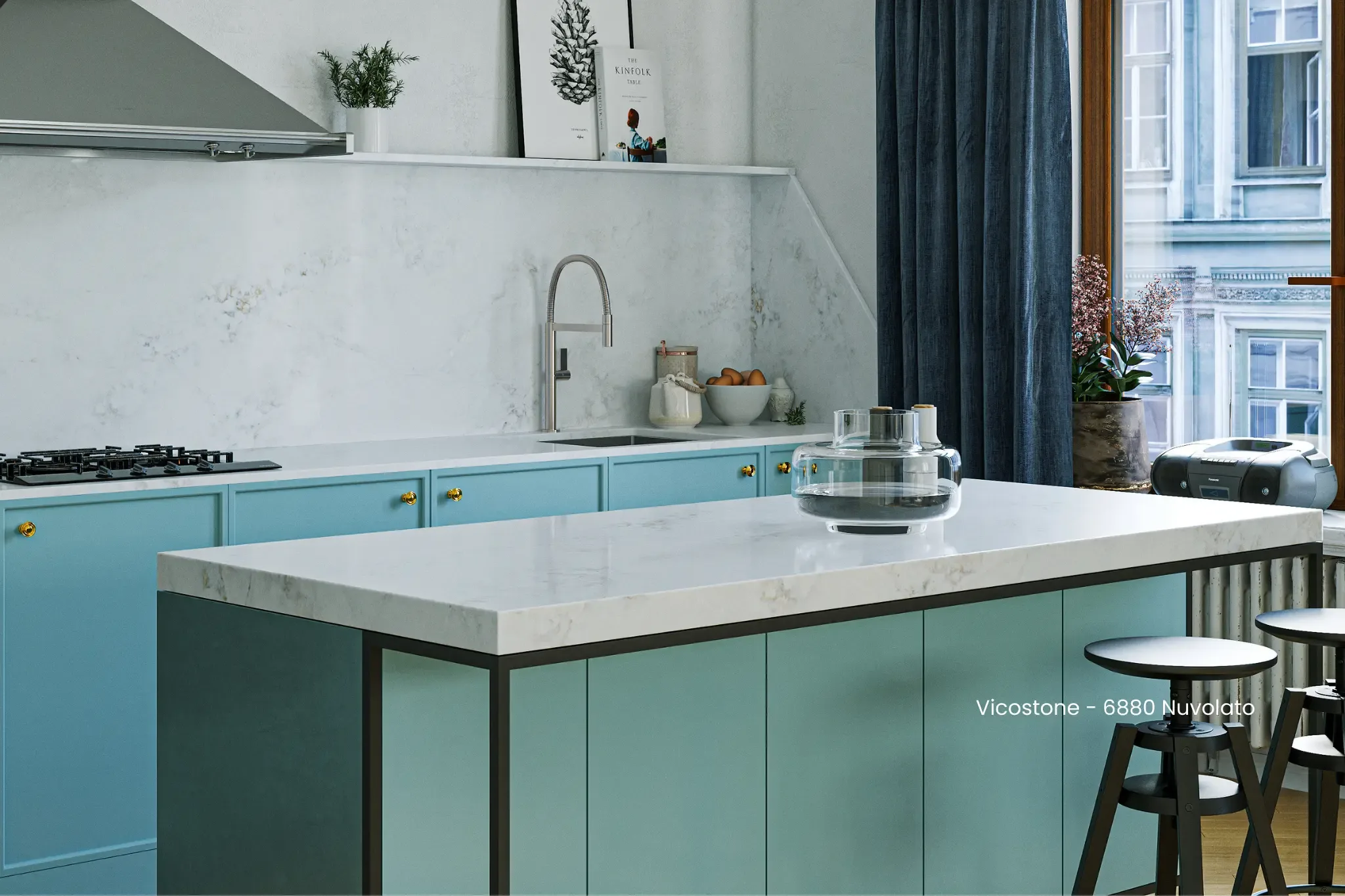
A home can have beautiful furniture, lovely lights and expensive finishes, yet somehow there is still a pile of things sitting in the wrong place. Shoes near the entrance. Chargers on the dining table. Extra bedding pushed into a cupboard that was never meant for it. This is why home interiors in Gurgaon need storage planning from the beginning, especially in apartments and builder floors where every bit of usable space matters. A well-planned home doesn't necessarily have more storage everywhere. It just has storage where you actually need it.
And honestly, that makes daily life much easier.
Start With the Things You Already Own
Before adding cupboards, make a list of what needs a home.
Clothes are obvious, but what about suitcases? Winter blankets? Shoes? Cleaning supplies? Extra crockery? Children's school bags? Festive decorations that appear once a year and somehow occupy half a cupboard?
This exercise can be surprisingly revealing.
A family with two children may need much more wardrobe and toy storage than a couple. Someone who works from home may need space for files, electronics and office supplies. A person who cooks regularly will have a very different kitchen storage requirement.
Good storage begins with real life, not an empty room.
Use Full-Height Wardrobes
The space above a normal wardrobe often sits unused.
A floor-to-ceiling wardrobe can make use of that vertical area for luggage, seasonal clothing, blankets and other items that don't need to be accessed every day.
The lower and middle sections can hold frequently used clothes, while the upper shelves can handle less-used belongings.
Sliding shutters can also be useful in compact bedrooms because they don't need extra clearance for opening.
One small detail helps a lot: add internal lighting if the wardrobe is deep. Searching for a black shirt in a dark cupboard at 7 a.m. is not exactly a pleasant start to the day.
Create Storage Around the Bed
The bedroom offers more storage possibilities than people often realise.
Beds with built-in drawers can hold spare bedding, pillows and seasonal items. A hydraulic storage bed can provide even more hidden space, though the mechanism and mattress weight need to be considered before choosing one.
Bedside tables can have drawers rather than being purely decorative.
A headboard can also include narrow shelves or concealed storage, especially in smaller rooms.
Just don't make the headboard too bulky. You want storage, not a wall closing in around the bed.
Make the Entryway Work Harder
The entrance is where clutter seems to gather naturally.
Shoes, keys, bags, umbrellas, delivery packages... somehow everything lands there.
A slim shoe cabinet with closed storage can keep the area looking cleaner. A small drawer can hold keys and everyday items. Hooks or a narrow panel can provide a place for bags and jackets.
If there is enough room, a bench with shoe storage underneath can be useful.
For compact Gurgaon apartments, even a shallow cabinet can make a difference because the entrance usually doesn't have much spare floor space.
Give the Kitchen More Than Basic Cabinets
Kitchen storage is rarely enough. You start with a few plates and somehow end up with three types of frying pans, six containers for leftovers and an appliance you haven't used since last Diwali.
Modular kitchen storage can help organise these things.
Deep drawers work well for pots and pans. Tall units can store appliances and dry goods. Corner cabinets can be planned with pull-out systems where suitable. Narrow vertical units can hold bottles, spices or cleaning products.
The space under the sink can also be useful for cleaning supplies, provided the plumbing is planned around the storage.
And keep everyday items within easy reach. Storage should reduce effort, not create another daily chore.
Don't Ignore the Space Under the Stairs
For independent homes and duplex properties, the area beneath the staircase can become valuable storage.
It could hold closed cabinets, open shelves, a small study desk or even a compact utility section.
The shape of the staircase often creates awkward corners, but those corners can be useful for things that don't need to be accessed constantly.
Luggage is a good example.
Instead of keeping suitcases on top of wardrobes, the space under the stairs can sometimes give them a proper home.
Build a Study Into the Furniture
Work-from-home spaces don't always need an entire room.
A compact desk can be built into a wardrobe or storage unit. Floating shelves above the desk can hold books and office supplies. Drawers below can keep cables, documents and stationery out of sight.
This works particularly well in bedrooms and living rooms where space is limited.
A foldable desk can also be considered for very small apartments.
Close it after work and the room feels like a bedroom again. Nice little trick.
Use Living Room Storage Carefully
The living room can become cluttered quickly because it handles so many things.
Books, remotes, children's toys, electronics, documents and decorative objects all seem to find their way here.
A TV unit with closed drawers can hide everyday clutter. Open shelves can display books and artwork, but don't fill every shelf.
Some empty space is useful.
Built-in cabinets can also be designed around architectural features such as niches or unused wall sections. A long, low cabinet may provide more practical storage than a tall bulky unit.
Think About Bathroom Storage
Bathrooms need storage too, although it often gets forgotten until bottles start taking over the counter.
A vanity with drawers can hold toiletries and cleaning items. Mirror cabinets can provide storage without taking extra floor area. Shower niches can keep shampoo and soap off the floor.
Tall, narrow cabinets can work in bathrooms with enough wall space.
Water-resistant materials and suitable hardware should be selected because bathroom storage has to deal with moisture every day.
Use Hidden Storage Where Possible
Not everything needs to be visible.
Storage under benches, inside ottomans, behind mirrors and within built-in furniture can keep a home looking calmer.
This is especially useful in compact properties. Visible shelves are nice for things you want to display. Closed storage handles the rest.
A useful rule is simple: if you don't enjoy looking at it, give it a door.
Not every item deserves to become part of the decor.
Storage Should Match the Family
There isn't one storage plan that works for every home.
A young couple may want more wardrobe space and a compact home office. A family with children may need dedicated toy and school storage. Older residents may prefer frequently used items to be placed at easier heights rather than high overhead cabinets.
Storage should follow these habits.
Studio Interplay considers storage as part of the wider interior planning process for Gurgaon homes, covering modular wardrobes, kitchen storage, TV units, study areas, bedroom furniture and other built-in solutions.
The idea isn't to cover every wall with cabinets. It's to find the right places for the things that need to be stored.
Think About Future Clutter Too
Homes change.
A couple may have a baby later. Children grow and need more books and school supplies. Work arrangements change. Hobbies appear. Suddenly there are yoga mats, sports equipment, musical instruments or ten boxes of something nobody wants to throw away.
Leaving a little room for change can help.
Modular shelves, adjustable wardrobe interiors and flexible cabinets can make storage easier to adapt over time.
You don't have to predict everything. Just don't design the home as though nothing will ever change.
A Tidy Home Still Needs Room to Live
Storage isn't about hiding every object.
Your favourite books can stay on the shelf. A coffee machine can sit on the kitchen counter. A child's drawings can stay on the refrigerator.
The aim is simply to stop everyday belongings from taking over the house.
For homeowners planning modern home interiors in Gurgaon, thoughtful storage can make a surprisingly large difference to how spacious and comfortable a property feels. A good wardrobe, a sensible kitchen layout or a small entry cabinet may not sound exciting on paper, but these are the things you appreciate every single day.
Because a home doesn't feel calm just because the walls are painted nicely.
Sometimes, it feels calm because you finally know where the keys are.