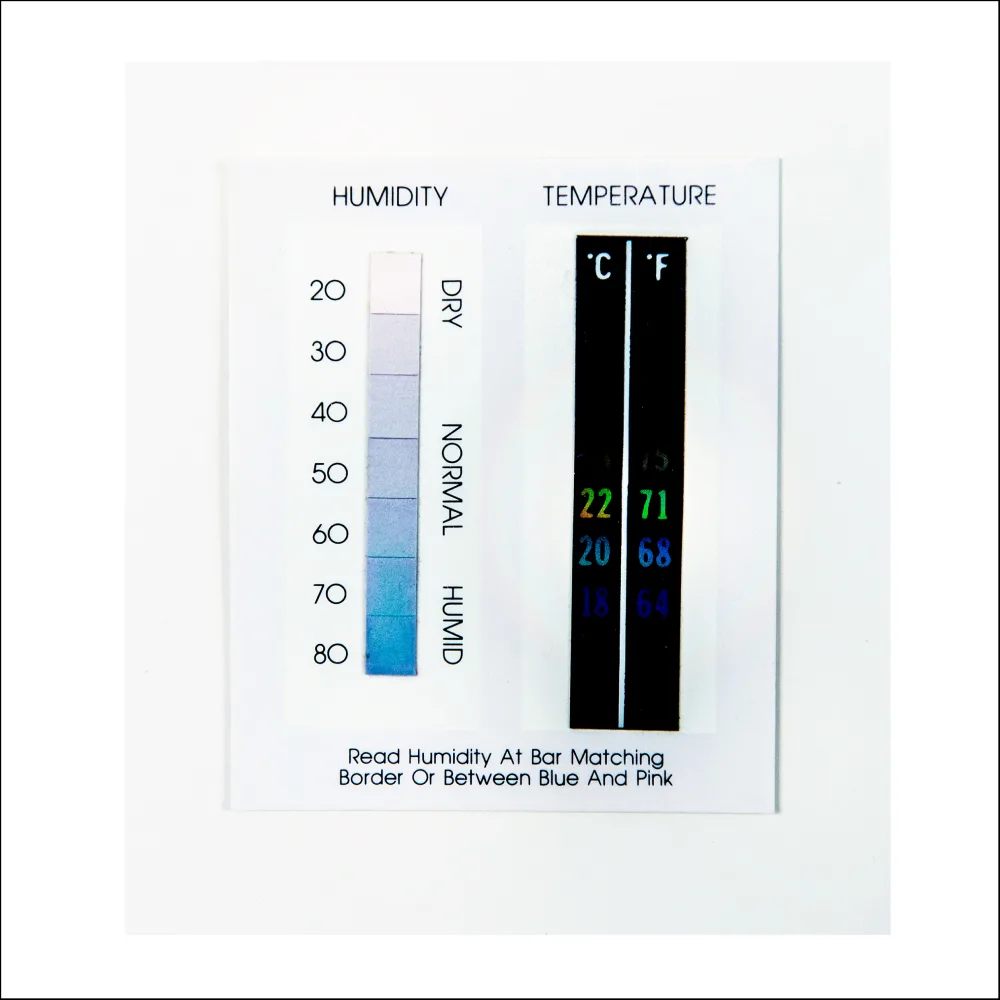
Temperature control is an essential part of transporting and storing temperature-sensitive products. Industries such as pharmaceuticals, food and beverages, healthcare, chemicals, and logistics depend on accurate temperature monitoring to maintain product quality and safety. Even a small temperature variation during transportation can affect product performance, shelf life, and overall quality. This is where a temp indicator becomes an important solution.
A temp indicator helps identify whether a product has been exposed to temperatures outside the recommended range. It provides a simple and effective way to monitor temperature conditions throughout the supply chain, helping businesses make informed decisions about product handling and storage.
What Is a Temp Indicator?
A temp indicator is a temperature-monitoring device or label designed to show whether a product has experienced a specific temperature condition. Depending on the type, it can indicate when a temperature threshold has been exceeded or when a product has been exposed to unsuitable environmental conditions.
These indicators are particularly useful for businesses handling sensitive products that require controlled temperatures during transportation and storage.
Common applications include:
- Pharmaceutical and medical product transportation.
- Food and beverage distribution.
- Chemical and industrial material shipping.
- Cold chain logistics.
- Healthcare and laboratory supplies.
- Temperature-sensitive electronic components.
Why Is Temperature Monitoring Important During Shipping?
Shipping temperature-sensitive products involves several challenges, including changing weather conditions, transportation delays, warehouse storage, and handling at different distribution points.
Without proper monitoring, businesses may not know whether their products have experienced unsuitable temperatures during transit.
Using temperature indicators for shipping helps businesses identify potential temperature-related issues before products reach their final destination.
Some important benefits include:
1. Protects Product Quality
Temperature indicators help identify exposure to unsuitable temperatures, reducing the risk of distributing products that may have been compromised during transportation.
2. Improves Supply Chain Visibility
Businesses can gain better insight into temperature conditions during shipping and make more informed decisions about product acceptance.
3. Supports Quality Control
Temperature monitoring helps companies maintain their internal quality standards and follow appropriate product-handling procedures.
4. Reduces Product Losses
Identifying temperature excursions can help businesses prevent unnecessary losses associated with damaged or unsuitable products.
5. Builds Customer Confidence
Reliable temperature monitoring demonstrates a commitment to product quality and responsible handling practices.
Temp Indicator vs. Temperature Data Logger: What Is the Difference?
Although both solutions are used for temperature monitoring, they serve slightly different purposes.
A temp indicator generally provides a visual indication when a predefined temperature condition has occurred. It is useful when businesses need a quick and straightforward way to identify potential temperature exposure.
A temperature data logger, on the other hand, is an electronic monitoring device that records temperature readings over a specific period. Depending on the model, it can store historical data that businesses can download and analyse after transportation.
Here are some key differences:
| Feature | Temp Indicator | Temperature Data Logger |
|---|---|---|
| Primary purpose | Indicates temperature exposure | Records temperature readings |
| Monitoring | Visual indication | Continuous or interval-based recording |
| Historical data | Usually limited | Available in recorded data |
| Usage | Quick temperature checks | Detailed temperature analysis |
| Application | Shipping and storage | Cold chain and logistics monitoring |
Both solutions can play an important role in maintaining temperature control. The right choice depends on the product requirements, monitoring duration, and level of temperature information needed.
Applications of Temperature Indicators for Shipping
Temperature-sensitive products often travel through multiple transportation and storage environments before reaching their destinations. Temperature indicators help businesses identify potential exposure during this process.
Pharmaceutical and Healthcare Shipping
Medicines, vaccines, diagnostic materials, and other healthcare products may require specific temperature conditions. Temperature indicators help identify possible exposure to temperatures outside the recommended range during transportation.
Food and Beverage Transportation
Perishable food products require suitable temperature conditions to maintain freshness and quality. Temperature indicators can help businesses identify potential temperature-related issues during distribution.
Chemical and Industrial Products
Certain chemicals and industrial materials require controlled storage and transportation conditions. Monitoring temperature exposure helps businesses maintain appropriate handling practices.
Cold Chain Logistics
Cold chain operations involve maintaining suitable temperatures throughout transportation, storage, and distribution. Temperature indicators provide an additional layer of monitoring for temperature-sensitive shipments.
How to Choose the Right Temp Indicator
Selecting the right temp indicator depends on the type of product being transported and its temperature requirements.
Consider the following factors before choosing a solution:
- Temperature Range: Select an indicator that matches the product’s recommended temperature limits.
- Response Time: Consider how quickly the indicator responds to temperature exposure.
- Monitoring Duration: Choose a solution suitable for the expected shipping and storage period.
- Ease of Use: Look for indicators that are simple to apply, read, and understand.
- Application Requirements: Consider whether the indicator is intended for pharmaceutical, food, chemical, or general logistics applications.
- Reliability: Choose products with clearly specified operating conditions and performance information.
Understanding these factors helps businesses select suitable temperature-monitoring solutions for their supply chain requirements.
Best Practices for Temperature Monitoring During Transportation
Temperature monitoring should be part of a well-planned shipping process. Businesses can improve monitoring effectiveness by following a few practical steps.
- Identify the recommended temperature range for each product.
- Select an appropriate temperature indicator or data logger.
- Place the monitoring device according to the manufacturer’s instructions.
- Train employees to understand temperature alerts and indicators.
- Inspect shipments when they arrive at their destination.
- Maintain temperature records wherever required.
- Establish procedures for handling shipments that show temperature excursions.
Following these practices can help businesses improve product handling, strengthen quality control, and reduce temperature-related risks.
Conclusion
Temperature monitoring is an important part of modern shipping and supply chain management. A reliable temp indicator helps businesses identify potential temperature exposure and take appropriate action to protect sensitive products.
Whether transporting pharmaceuticals, food products, chemicals, or healthcare supplies, choosing the right monitoring solution can improve shipping visibility and support better quality control. Businesses can also consider using a temperature data logger when detailed temperature records and historical monitoring information are required.
Investing in suitable temperature-monitoring solutions helps create a more reliable and efficient transportation process while protecting product quality throughout the supply chain.
Frequently Asked Questions (FAQs)
1. What is a temp indicator used for?
A temp indicator is used to identify whether a product has been exposed to temperatures outside a predefined range. It is commonly used during shipping, storage, and transportation of temperature-sensitive products.
2. How do temperature indicators for shipping work?
Temperature indicators work by providing a visual signal when a particular temperature threshold or exposure condition is reached. The exact mechanism depends on the indicator type.
3. What is the difference between a temperature indicator and a temperature data logger?
A temperature indicator provides a visual indication of temperature exposure, whereas a temperature data logger records temperature readings over time for later review and analysis.
4. Which industries use temperature indicators?
Industries such as pharmaceuticals, healthcare, food and beverages, chemicals, cold chain logistics, and industrial manufacturing commonly use temperature indicators.
5. Can temperature indicators help reduce shipping losses?
Yes. They help identify potential temperature-related problems during transportation, allowing businesses to investigate affected shipments and make appropriate decisions.