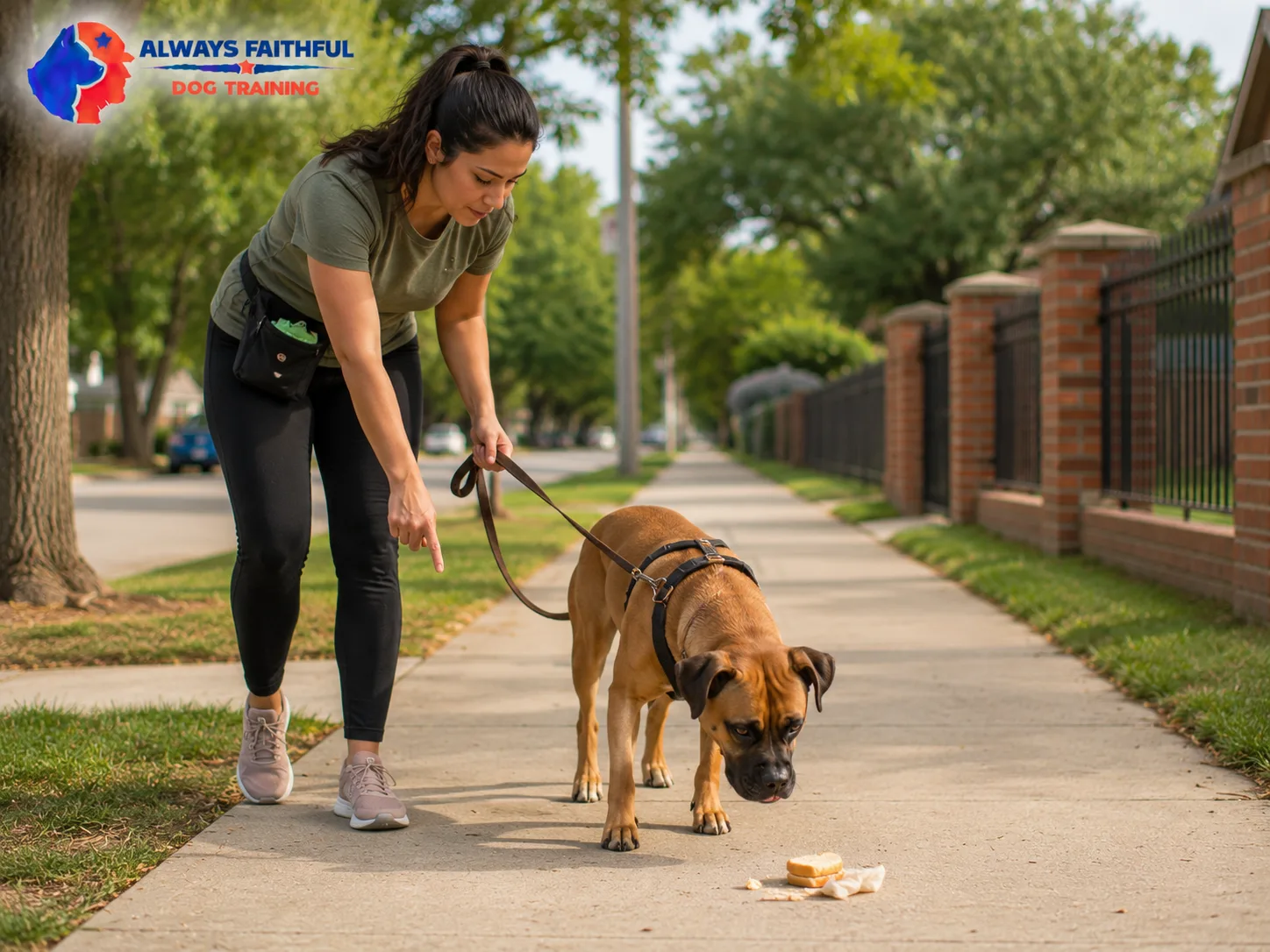
Mealtimes can reveal a great deal about a dog's habits and self-control. Some dogs become overly excited when food appears, while others may rush toward bowls, stare at people eating, or attempt to grab anything within reach. These behaviors can make meals stressful, especially in busy households. Effective Dog training can help dogs develop calmer mealtime habits while teaching owners how to create predictable routines around food.
Why Food Creates Strong Reactions
Food is naturally motivating for many dogs. The smell of a meal, the sound of a food container opening, or the movement of someone preparing dinner can immediately capture a dog's attention.
Excitement around food is not necessarily a behavioral problem by itself. The difficulty arises when excitement turns into jumping, barking, rushing, stealing, or persistent begging.
Rather than expecting a dog to understand human mealtime etiquette automatically, owners can gradually teach behaviors that make food-related situations easier to manage.
Establishing a Predictable Feeding Routine
Dogs often benefit from predictable daily patterns. Feeding at reasonably consistent times can make meals less mysterious and may help the dog understand when food is normally available.
A routine does not have to be rigid. The important part is that the dog receives clear and consistent expectations around meals.
Owners can also create a simple preparation ritual. Instead of immediately placing food down while the dog is jumping or rushing around, they can wait for a calmer moment before continuing the routine.
Teaching Patience Before the Bowl Is Served
Waiting for food provides an opportunity to practice self-control. A dog that immediately charges toward its bowl can gradually learn to pause before eating.
The process should be simple and appropriate for the individual dog. The owner can prepare the meal and wait for a moment of calm before placing the bowl down.
As the dog becomes more comfortable with the routine, the calm waiting period can gradually become more reliable.
Reducing Begging During Human Meals
Begging can become a habit when dogs discover that sitting beside the table, staring, whining, or pawing eventually results in food.
If household members regularly share food from their plates, the dog may have little reason to stop trying.
Families can establish a clear rule about whether dogs receive food during human meals. If the goal is to reduce begging, everyone should follow the same expectation.
Providing the dog with an appropriate place to settle during meals can also create a useful alternative to hovering around the table.
Preventing Food Stealing
Counter surfing and food stealing can be especially challenging because the dog may reward itself. Even one successful attempt to grab something interesting can encourage the behavior to happen again.
Management is an important first step. Food should not be left unattended where the dog can easily reach it.
Training can then focus on teaching the dog that ignoring accessible food and responding to its owner's guidance leads to a better outcome than attempting to take it.
Teaching Dogs to Wait Around Food
Waiting is a valuable skill beyond mealtimes. A dog that learns to pause before receiving something it wants can potentially demonstrate better control in other situations as well.
Owners can practice waiting before placing down a bowl, opening a food container, or providing an appropriate treat.
The exercise should remain calm rather than becoming a battle of wills. The objective is to teach the dog that patience is part of the normal process of receiving something desirable.
Children and Mealtime Rules
Children should understand that dogs need space while eating. Even a normally friendly dog may become uncomfortable if someone repeatedly reaches toward its bowl or interferes with its meal.
Adults should supervise interactions between children and dogs around food. Children can be taught to allow dogs to eat without touching, teasing, or attempting to take food away.
Clear family rules can reduce unnecessary conflict and help create safer routines.
Avoid Turning Food Into a Competition
Owners sometimes test dogs by repeatedly taking food away or interfering with meals. However, intentionally creating competition around food may increase tension rather than teach calm behavior.
A more constructive approach is to establish predictable expectations and avoid unnecessary interference.
If a dog shows serious guarding behavior around food, owners should seek appropriate professional guidance rather than attempting potentially risky exercises without understanding the behavior.
Using Training Beyond the Food Bowl
Food can also be useful in structured learning because many dogs find it highly motivating. Owners can incorporate appropriate rewards into training exercises while maintaining clear expectations.
The important point is to connect food with specific behaviors rather than allowing the dog to receive it simply for becoming more demanding.
This can help make mealtime and training more organized while giving the dog clearer information about what behavior is being encouraged.
Recognizing Individual Differences
Not every dog responds to food in exactly the same way. Some dogs are highly food-motivated, while others may show little interest in meals when distracted.
Age, previous experiences, environment, health, and individual temperament can all influence eating behavior.
Training should therefore be adjusted according to the dog rather than following a rigid formula. What works for one dog may need modification for another.
When Professional Help May Be Useful
Persistent food-related problems can sometimes be difficult to address without guidance. A dog that repeatedly steals food, becomes highly reactive around its bowl, or cannot settle during meals may benefit from an individualized training plan.
A professional trainer can observe the behavior and help identify which part of the routine needs to change.
For people searching for Dog training Near me, it can be helpful to choose a service that looks at the dog's complete behavior rather than treating every food-related issue as simple disobedience.
Creating a Calm Kitchen Environment
The kitchen can be one of the most exciting areas of the home for a food-motivated dog. Cooking creates strong smells, movement, dropped ingredients, and numerous opportunities for the dog to investigate.
Owners can establish boundaries around kitchen activity and provide an appropriate alternative location for the dog during food preparation.
A consistent routine can make cooking time more predictable and reduce the dog's need to constantly investigate what is happening.
What to Do When Food Falls on the Floor
Accidental food drops can happen in any household. A dog that has learned to immediately grab anything that falls may become increasingly attentive whenever someone is preparing food.
Teaching a reliable response to being redirected can be useful. Owners can also reduce opportunities for the dog to practice grabbing food by managing the environment during preparation.
The goal is to develop a pattern in which unexpected food does not automatically trigger a race toward the floor.
Building Self-Control Gradually
Self-control develops through repeated experiences. A dog that has always been allowed to rush toward food should not be expected to become perfectly calm after one training session.
Short, successful exercises can build stronger habits. Owners can gradually introduce greater distractions as the dog's response becomes more reliable.
Patience is particularly important because food can be highly motivating, making it one of the more challenging areas for some dogs.
Making Mealtimes More Peaceful
Good mealtime behavior can improve the atmosphere of the entire household. When dogs understand where they should be, when food is available, and which behaviors are expected, owners have fewer reasons to constantly interrupt or correct them.
The same principles can also help dogs develop broader skills such as waiting, responding to guidance, and remaining calm when something desirable is nearby.
Final Thoughts
Mealtime behavior is an important part of everyday dog manners. Establishing predictable feeding routines, encouraging patience, preventing food stealing, and teaching appropriate alternatives can help dogs develop healthier habits around meals.
Consistent Dog training can make food-related routines easier to understand while giving owners practical ways to encourage calm behavior. If you are researching Dog training Near me, professional guidance can be particularly valuable when food-related behaviors have become persistent, intense, or difficult to manage.
With clear expectations, thoughtful management, and gradual practice, dogs can learn that meals do not need to be chaotic events. Calm mealtime habits can become another natural part of a well-structured daily routine.