TCA Chemical Peel: Intensive Skin Resurfacing
TCA, or trichloroacetic acid, is a chemical exfoliating agent used in professional skin-resurfacing treatments. Compared with everyday skincare products, a TCA peel is a much more intensive treatment designed to create controlled exfoliation of the skin.
What Is TCA Used For?
Depending on the formulation and treatment protocol, TCA peels may be used to improve the appearance of uneven skin texture, discoloration, acne marks, fine lines, and other visible signs of skin aging.
The strength of a peel matters. A stronger concentration does not automatically produce a better result, because the appropriate strength depends on the treatment objective, skin condition, and professional assessment.
Why TCA Requires More Care
Chemical peels can cause significant irritation when used incorrectly. Excessive exposure or inappropriate use may result in prolonged redness, burns, sensitivity, or unwanted pigmentation changes.
For that reason, TCA should be approached as a treatment rather than as an ordinary facial serum. Professional guidance is particularly important when using stronger formulations or treating sensitive skin.
A TCA chemical peel is therefore better viewed as an intensive resurfacing option rather than something to casually add to a daily skincare routine.
HydraFacial Kit: Cleansing, Exfoliation, and Hydration
A HydraFacial-style treatment takes a different approach from a chemical peel. Instead of relying primarily on one exfoliating acid, it combines several stages of facial treatment, commonly including cleansing, exfoliation, extraction, and hydration.
How a HydraFacial-Style Treatment Works
The process generally begins with cleansing to remove surface oil, makeup, and impurities. The skin is then exfoliated to loosen dead cells and buildup.
Extraction is another important stage. When a compatible hydradermabrasion device is used, controlled suction can help remove impurities and congestion from pores.
The final stage focuses on hydration and skin conditioning.
Ingredients Used in the Treatment
Different solutions can be used at different stages of the process. Salicylic acid is commonly associated with oily and congested skin, while alpha hydroxy acids primarily help with surface exfoliation.
Hyaluronic acid contributes hydration, aloe vera can provide skin-conditioning support, and vitamin C adds antioxidant benefits.
A HydraFacial Kit can therefore provide a multi-step approach rather than relying on a single active ingredient.
HydraFacial vs TCA Peel
These treatments serve different purposes.
A TCA peel is primarily an intensive chemical resurfacing treatment, while a HydraFacial-style treatment combines cleansing, exfoliation, extraction, and hydration.
That means they should not be considered interchangeable. Someone seeking deeper resurfacing for a particular skin concern may require a professionally selected peel, while someone interested in a refreshing facial treatment may prefer a hydradermabrasion approach.
Niacinamide Serum: Daily Support for the Skin
Unlike chemical peels and facial treatments, niacinamide is generally used as part of an ongoing skincare routine.
Niacinamide is a form of vitamin B3 and is widely used in formulations designed to support concerns such as excess oil, visible pores, uneven-looking tone, blemishes, and overall skin conditioning.
Why Niacinamide Is Popular
One reason for niacinamide's popularity is its versatility. It can fit into routines for different skin types and can be combined with several other skincare ingredients.
However, concentration should still be considered. A highly concentrated serum is not necessarily appropriate for every person, particularly those with sensitive or easily irritated skin.
A 20% niacinamide serum combines niacinamide with Zinc PCA and hyaluronic acid, bringing together ingredients associated with oil balance, skin conditioning, and hydration.
How Niacinamide Fits Into a Routine
Niacinamide can be incorporated into a regular routine between cleansing and moisturizing. Introducing concentrated active products gradually can help users determine how well their skin tolerates them.
It is also worth avoiding the assumption that several active products should always be used together. A simple, consistent routine may be more beneficial than constantly adding new treatments.
Vitamin C Serum: Antioxidant and Brightening Support
Vitamin C serves a different purpose from niacinamide.
It is widely used in skincare for antioxidant support and for improving the appearance of dull or uneven-looking skin.
What Makes Vitamin C Different?
Vitamin C formulations can use different derivatives and concentrations. Some formulas are designed around stability and ease of use, while others focus on particular skin concerns.
A Vitamin C serum with a gel-based formulation can provide antioxidant and hydration-focused support while targeting the appearance of uneven tone and dullness.
Some formulations also combine vitamin C derivatives with other ingredients intended to support antioxidant activity and hydration.
Vitamin C as Part of Daily Skincare
Vitamin C is generally better suited to a regular skincare routine than an intensive treatment such as TCA.
However, people using several active products should still pay attention to irritation. Introducing multiple strong products at once can make it difficult to identify what is causing sensitivity.
How These Treatments Can Work Together
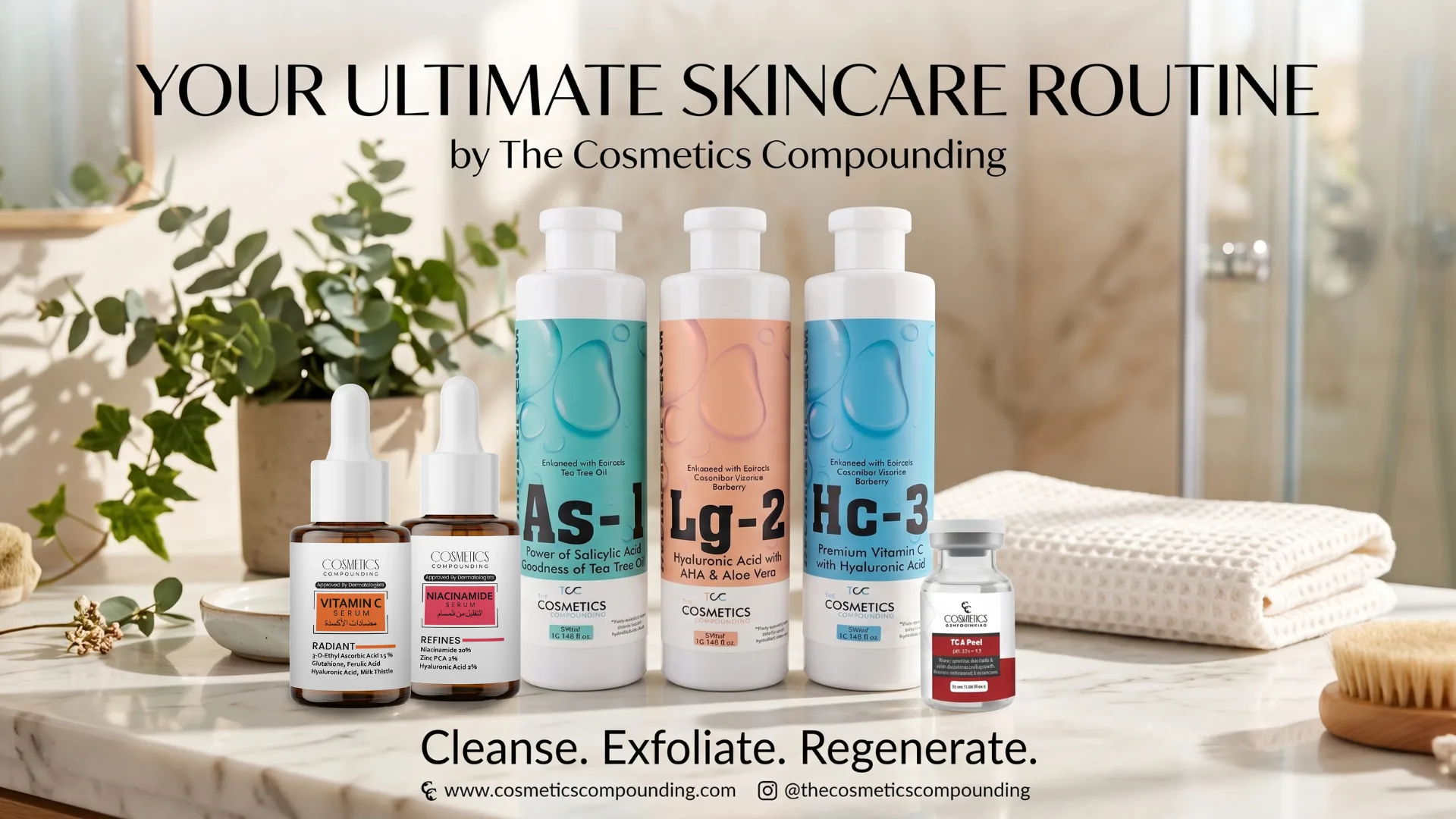
The four approaches discussed here are not duplicates. Each has a different role.
TCA Chemical Peel
Primarily focused on intensive chemical exfoliation and skin resurfacing.
HydraFacial Treatment
Focused on cleansing, exfoliation, extraction, hydration, and overall skin refreshing.
Niacinamide Serum
Focused on everyday support for concerns such as oiliness, visible pores, blemishes, and skin conditioning.
Vitamin C Serum
Focused on antioxidant support and improving the appearance of dull or uneven-looking skin.
Thinking about them this way helps prevent the common mistake of treating every skincare product as though it serves the same purpose.
Why More Active Ingredients Do Not Always Mean Better Skincare
A routine that includes multiple acids, concentrated serums, and intensive treatments can sound impressive, but the skin still has limits.
Using a TCA peel while simultaneously overusing exfoliating acids or strong active serums may increase irritation rather than improve results.
The same applies to facial treatments. Excessive suction or repeated exfoliation can leave the skin uncomfortable and may compromise the skin barrier.
The objective should be balance.
Choosing the Right Approach for Your Skin
The best treatment depends on the concern being addressed.
Someone primarily concerned with oily skin or visible pores may be more interested in a niacinamide-based routine. Someone focused on dullness or uneven-looking tone may consider vitamin C. A person looking for cleansing, exfoliation, extraction, and hydration may prefer a HydraFacial-style treatment.
TCA belongs in a different category because it is an intensive chemical resurfacing procedure that requires considerably more care.
People with active inflammation, very sensitive skin, persistent acne, rosacea, unexplained pigmentation, or a damaged skin barrier should consider professional assessment before using intensive treatments.
Final Thoughts
Modern skincare offers many different ways to improve the appearance and condition of the skin, but each treatment has a different role.
A TCA chemical peel provides intensive exfoliation and resurfacing. A HydraFacial-style treatment combines cleansing, exfoliation, extraction, and hydration. Niacinamide offers everyday support for several common skin concerns, while vitamin C provides antioxidant and brightening support.
Rather than using all of these treatments aggressively at the same time, a better strategy is to understand what each one does and introduce them according to the needs and tolerance of the skin.
The most effective skincare routine is not necessarily the one with the most active ingredients. It is the one that uses the right ingredients and treatments in the right way, with consistency and care.