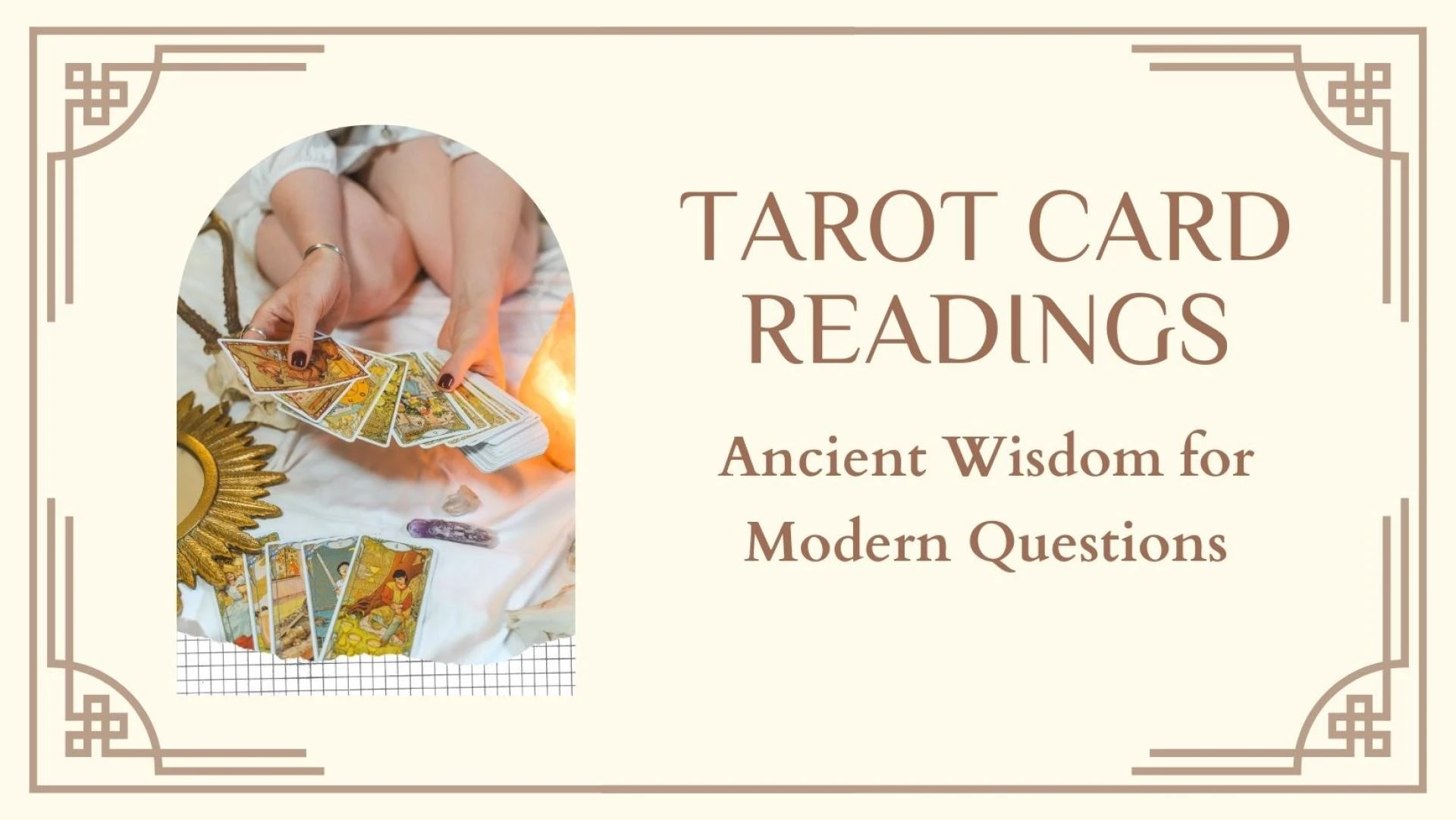
For centuries, tarot card readings have fascinated spiritual seekers, truth-searchers, and the simply curious. Whether you're navigating life changes, seeking clarity in a relationship, or simply hoping to connect with your inner wisdom, tarot card readings can offer insight and guidance that speaks to the heart.
But what exactly is a tarot card reading? Is it mystical fortune-telling, or something more grounded in intuition and reflection? In this post, we’ll dive deep into the origins, structure, purpose, and modern relevance of tarot card readings. By the end, you’ll not only understand what tarot is—but also whether it might be right for you.
What Is a Tarot Card Reading?
A tarot card reading is a practice where a reader uses a deck of symbolic cards to help a seeker (also known as a querent) gain insight into a question, situation, or personal challenge. Contrary to popular belief, tarot isn’t about predicting the future with certainty—it's about uncovering patterns, possibilities, and deeper truths that may not be obvious on the surface.
Each card in a tarot deck is rich with imagery, symbolism, and layered meanings. During a reading, the cards that appear and their positions in a spread create a narrative—a mirror to your current path and potential choices.
A Brief History of Tarot
Tarot cards date back to the 15th century in Europe, originally used as playing cards. It wasn’t until the 18th century that they were adopted for divinatory or esoteric purposes.
The most common tarot deck today, the Rider-Waite-Smith deck, was first published in 1909. Designed by artist Pamela Colman Smith under the guidance of mystic A.E. Waite, this deck introduced many of the standard images and interpretations used in modern tarot readings.
Over time, tarot has evolved from a tool used by mystics and occultists into a more mainstream method of self-reflection and spiritual counseling.
Understanding the Tarot Deck
A traditional tarot deck has 78 cards, divided into two main sections:
1. The Major Arcana (22 cards)
These cards represent major life themes and transformative lessons. Examples include:
- The Fool – New beginnings, innocence, taking a leap of faith
- The Lovers – Choices, relationships, aligning with your values
- Death – Endings and beginnings, transformation, letting go
When Major Arcana cards appear in a reading, they often point to significant life events or spiritual awakenings.
2. The Minor Arcana (56 cards)
These cards deal with daily events, decisions, and emotions. They're divided into four suits:
- Cups – Emotions, love, intuition
- Wands – Creativity, action, purpose
- Swords – Intellect, truth, conflict
- Pentacles – Career, finances, material world
Each suit contains numbered cards (Ace through Ten) and four Court Cards (Page, Knight, Queen, King), which often represent people or aspects of ourselves.
How Tarot Card Readings Work
At its core, a tarot card reading involves three steps:
1. The Question
Most readings begin with a question. This doesn’t need to be overly specific, but it should be open-ended and focused on self-understanding. For example:
- “What energy surrounds my current relationship?”
- “What should I know about my career path right now?”
- “Where am I being called to grow?”
2. The Spread
The spread is the layout or pattern in which the cards are drawn. Common spreads include:
- Three-Card Spread: Past / Present / Future
- Celtic Cross: A ten-card layout offering in-depth insight into a situation
- Single Card Pull: Great for daily guidance or meditation
Each position in the spread carries meaning. The same card can tell a different story depending on where it lands.
3. The Interpretation
This is where the magic happens. The tarot reader interprets the cards using a mix of traditional meanings, intuitive impressions, and insights tailored to the question.
Importantly, tarot isn’t about rigid definitions. It’s about tapping into intuition, uncovering emotional truths, and holding space for new perspectives.
What Tarot Is Not
To clear up some common misconceptions:
- Tarot is not "fortune telling" in the Hollywood sense. A reading doesn’t declare an unchangeable future; it highlights possibilities and areas for reflection.
- It’s not a game of absolutes. Tarot works with symbols and archetypes. It’s up to the seeker to interpret and integrate the guidance in a meaningful way.
- It’s not “evil” or anti-religious. Many people of faith (including Christians) use tarot as a spiritual tool without compromising their beliefs. It's simply a method of reflection, like journaling or prayer.
Why People Turn to Tarot Today
In an age of information overload, tarot offers a return to intuition. Here’s why so many people seek it out:
✅ Clarity in Confusing Times
Tarot can help break through mental noise and get to the heart of a matter. Whether you’re deciding between job offers or processing a breakup, tarot encourages self-honesty.
✅ Emotional Healing
The cards often reveal emotional undercurrents that might be hard to admit. Seeing these represented symbolically can be deeply healing.
✅ Spiritual Connection
Many view tarot as a sacred practice that connects them with a higher power, inner wisdom, or divine guidance.
✅ Empowerment
Tarot doesn't tell you what to do—it invites you to take agency. A good reading leaves you feeling more informed, inspired, and empowered to make your next move.
How to Choose a Tarot Reader
If you’re interested in receiving a tarot card reading, here are a few tips to find the right reader:
- Check for testimonials or reviews. A trusted reputation goes a long way.
- Look for alignment with your values. Some readers have a spiritual, therapeutic, or practical focus. Choose someone whose approach resonates with you.
- Ask about their process. A reputable reader will be transparent about how they conduct readings, what you can expect, and how to prepare.
Can You Read Tarot for Yourself?
Absolutely. Many people use tarot as a personal growth tool. It requires patience, practice, and openness, but over time, it can become a powerful companion on your journey.
If you're just starting, consider journaling your readings and reflecting on how the cards show up in your life. Over time, patterns will emerge, and your intuitive voice will become clearer.
Final Thoughts - The Power of the Cards
Tarot card readings offer more than predictions—they offer perspective. At their best, they provide an opportunity to pause, reflect, and consider your life’s deeper meanings.
Whether you're seeking answers, affirmation, or alignment, tarot has something to offer. Not because the cards themselves hold power—but because they hold a mirror to your power.
You don’t need to believe in magic to find meaning in the cards. You just need curiosity, openness, and a desire to know yourself better.