Weddings are profound ceremonies steeped in tradition, symbolism, and personal significance. Among the myriad elements that compose a wedding, the choice of transportation stands out as more than just a logistical necessity; it embodies cultural values, personal aspirations, and societal trends. The wedding car, often viewed simply as a means to ferry the couple from one venue to another, carries with it layers of meaning that transcend its functional role.
Historical Significance of Wedding Transportation
Historically, the mode of transportation used in weddings has been a reflection of societal status and cultural practices. In various cultures, the journey to the wedding venue was not merely about movement but symbolized the transition from one phase of life to another.
In traditional Chinese weddings, for instance, the bride would be transported in a sedan chair, an ornate and elaborately decorated carriage carried by bearers. This procession was accompanied by firecrackers, music, and a vibrant entourage, signifying joy and warding off evil spirits. The sedan chair's opulence reflected the family's social standing and the significance of the matrimonial union.
Similarly, in Indian culture, the groom's arrival at the wedding venue, known as the "Baraat," is a grand procession. Traditionally, the groom would arrive on a decorated horse or elephant, accompanied by dancing, music, and jubilant celebrations. This spectacle not only showcased the groom's readiness but also represented his family's prosperity and joy.
Modern Interpretations and Trends
As societies evolved, so did the modes of wedding transportation. The advent of automobiles introduced a new dimension to wedding ceremonies, blending tradition with modernity. Today, luxury cars have become integral to wedding celebrations, symbolizing not just wealth but also a desire for a unique and memorable experience.
A recent survey highlighted this trend, revealing that 80% of respondents preferred renting luxurious cars for their wedding entrances and departures, emphasizing the once-in-a-lifetime nature of these moments. Furthermore, 85% expressed a desire for a grand entrance, underscoring the growing emphasis on creating a lavish and unforgettable experience.
The choice of vehicle often reflects personal tastes and aspirations. Brands like Rolls-Royce, Bentley, and Mercedes-Benz are popular choices, their esteemed reputations adding a touch of elegance and prestige to the occasion. This preference indicates a shift towards valuing experiences and the symbolic resonance of luxury, rather than mere ownership.
Cultural Variations in Wedding Transportation
Different cultures imbue wedding transportation with unique meanings and customs. In Russia, for example, wedding processions are a significant aspect of the celebration. The groom arrives at the bride's home in a convoy of decorated cars, often participating in playful rituals and challenges before uniting with his bride. The vehicles, adorned with ribbons, flowers, and symbols, contribute to the festive atmosphere and signify the importance of the event.In Western traditions, the departure of the newlyweds is marked by the decoration of their vehicle with streamers, balloons, and the iconic tin cans trailing behind. This practice, rooted in the custom of the "shivaree," aims to create a noisy send-off, symbolizing well-wishes and the warding off of negative energies as the couple embarks on their new journey together.
The Psychological and Emotional Dimensions
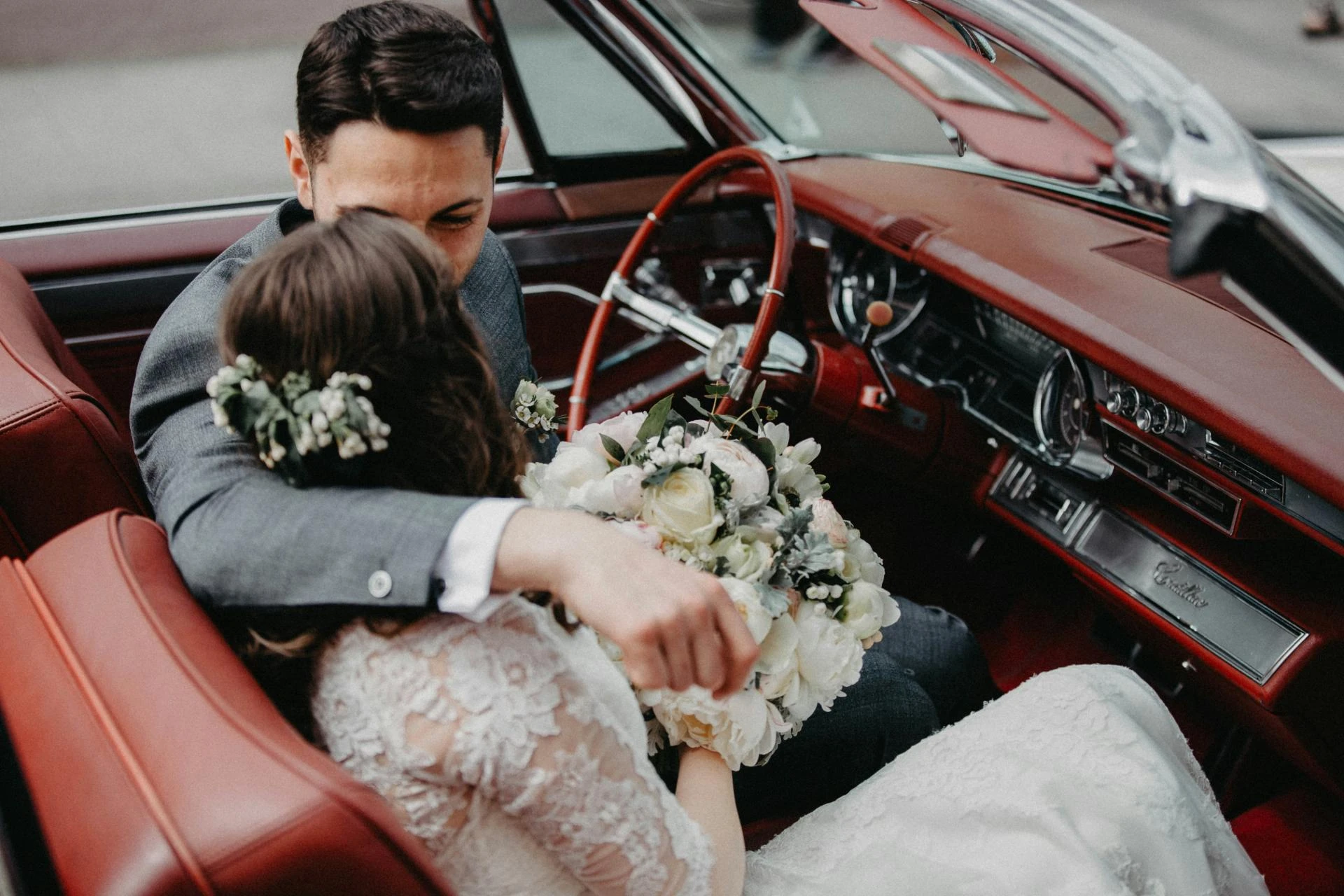
Beyond cultural and historical contexts, the choice of a wedding car holds psychological significance. For many couples, selecting a particular vehicle is an expression of their identity, aspirations, and the image they wish to project. A luxury car may symbolize success and the culmination of personal achievements, while a vintage car might evoke nostalgia and a connection to familial heritage.
The act of arriving and departing in a specific vehicle also contributes to the narrative of the wedding day, creating lasting memories and photo opportunities that encapsulate the essence of the celebration. The vehicle becomes a vessel not just for transportation but for the emotions, dreams, and stories that the couple carries into their married life.
Economic Implications and Industry Growth
The increasing emphasis on distinctive wedding transportation has spurred growth in the wedding car rental market. In 2023, North America led the market with 35% of total revenue, followed by Europe at 30%. The Asia Pacific region, contributing 20%, emerged as the fastest-growing market, reflecting a rising demand for luxury and unique wedding experiences in these areas. Short-term rentals dominated the market, accounting for 70% of services, highlighting the preference for event-specific transportation solutions.
This growth underscores a broader societal trend towards personalization and the prioritization of experiences over material possessions. Couples are increasingly investing in elements that enhance the uniqueness and memorability of their weddings, with transportation playing a pivotal role in this endeavor.
Conclusion
The symbolism of wedding cars extends far beyond their function as mere conveyances. They are emblematic of cultural traditions, personal values, and societal shifts. From historical practices to modern preferences, the choice of wedding transportation reflects a tapestry of meanings that contribute to the richness and depth of matrimonial ceremonies. As couples continue to seek ways to make their weddings distinctive and reflective of their identities, the wedding car remains a powerful symbol of transition, celebration, and the journey that lies ahead.