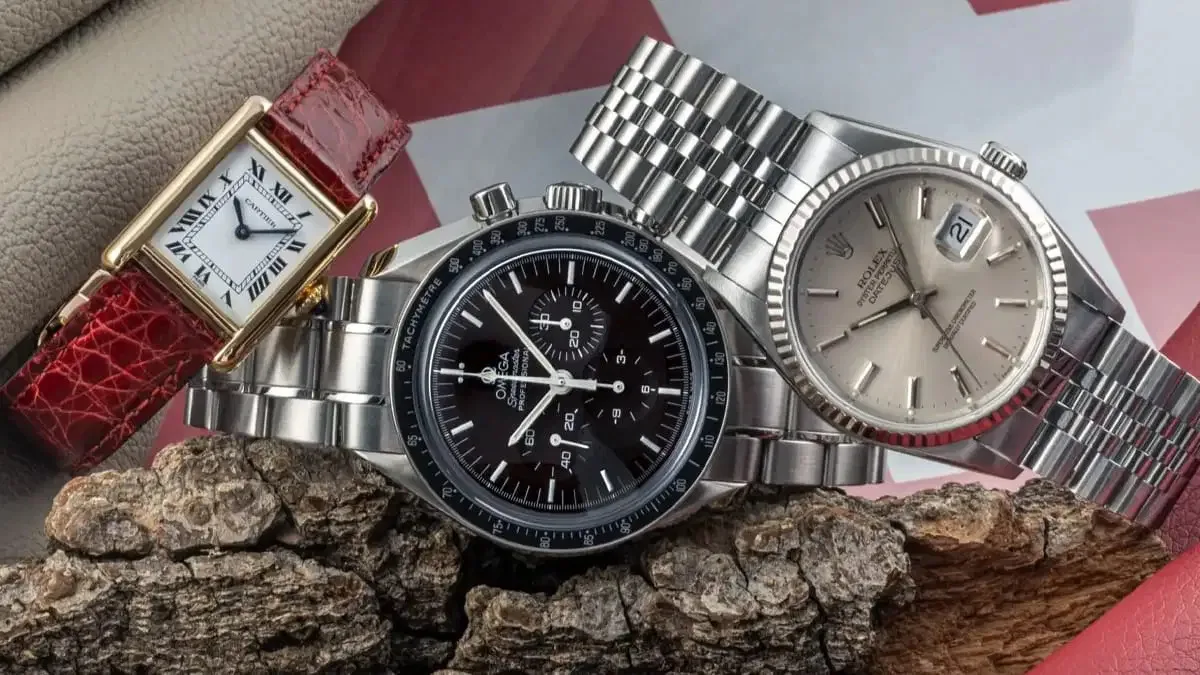
Quick Answer: Swiss Made is a legal designation covering movement assembly, casing, and a minimum proportion of production cost occurring in Switzerland. It guarantees origin rather than excellence, since a basic Swiss quartz and a fine Swiss mechanical both carry it. Compare Swiss brands on power reserve, water resistance, chronometer certification, and finishing instead.
Swiss Made is a legal designation rather than a quality rating. Understanding exactly what it certifies, and what it leaves open, is the single most useful thing before comparing Swiss brands.
The Legal Requirement
Swiss Made covers movement assembly, final casing, and inspection taking place in Switzerland, plus a minimum proportion of production cost originating there. It is enforceable rather than marketing language, which makes it meaningful but narrower than buyers often assume.
What It Does Not Guarantee
Any particular standard of finishing, movement refinement, or accuracy. A basic Swiss Made quartz watch and a finely finished Swiss mechanical both carry it. Treating the designation as a quality score rather than an origin statement causes most Swiss-brand confusion.
Where to Compare Them
Our top ten Swiss watches under $1000 covers the accessible Swiss field directly, which is where most buyers are choosing.
The Entry Tier Comparison
Our Tissot vs Hamilton comparison covers the two entry-level Swiss brands most buyers weigh against each other before committing.
What to Compare Instead
Power reserve, water resistance, chronometer certification, and finishing quality. These describe what a watch actually delivers, unlike the Swiss Made designation which describes only where it was assembled and cased.
Why Power Reserve Deserves Attention
An eighty-hour reserve means a watch sits unworn over a full weekend and still runs Monday. A forty-hour reserve does not. For anyone who does not wear the same watch daily, this affects experience more than almost any other specification.
Chronometer Certification
Some Swiss brands offer independently certified movements tested to defined accuracy standards across multiple positions and temperatures. This is verifiable rather than asserted, and finding it at accessible rather than luxury pricing is a genuine value signal.
The Swatch Group Factor
Several accessible Swiss brands benefit from shared group movement development, which is the structural reason genuine Swiss construction is available at these prices. Independent brands develop separately, giving different character rather than necessarily better results.
The Tier Above
Our Omega vs TAG Heuer comparison covers the luxury Swiss step up for buyers considering whether to stretch.
Against Japanese Alternatives
Our Seiko vs Tissot comparison covers the Swiss and Japanese cases directly, since Japanese brands frequently deliver more specification per pound while Swiss brands lead on finishing.
Automatic Ownership Realities
Swiss automatics drift measurably each day, stop if unworn for a day or two, and need periodic professional servicing at meaningful cost. Factor servicing into total ownership rather than purchase price alone, since across a decade it changes comparisons considerably.
Measuring Your Wrist Properly
Measure the flat width across the top of your wrist rather than the circumference, using our watch sizing guide. This matters particularly on integrated-bracelet designs where sizing is unforgiving.
Judging Value Honestly
Separate build quality, movement specification, and brand value. Swiss brands vary enormously on the third while clustering on the first two at comparable prices. Identifying how much you are paying for recognition clarifies nearly every Swiss comparison.
Common Mistakes to Avoid
Treating Swiss Made as a quality rating is the most fundamental. Assuming all Swiss brands deliver comparable finishing is the most misleading. Overlooking servicing cost is the most underestimated. Ignoring power reserve differences is the most practically consequential.
Judging Value Honestly
The most reliable way to assess any watch is separating three things: build quality, movement specification, and brand value. All three are legitimate reasons to pay, but conflating them produces confused comparisons. A watch that leads on one and trails on another is not worse than one scoring moderately across all three, provided it leads on the attribute you actually care about for how you will wear it.
Total Ownership Cost
Purchase price is only part of the picture. Mechanical watches need periodic professional servicing, conventional quartz needs battery replacement every few years, and light-powered references need eventual cell replacement after a decade or more. Factoring these in gives a far truer comparison between references than purchase price alone, particularly when weighing a mechanical watch against a maintenance-free alternative.
Buying From Reputable Sellers
Authentic product with proper warranty coverage and a workable returns position matters more than the channel itself. Clear returns terms effectively replace the reassurance that handling a watch in person would provide, which is what makes confident online buying possible at every price point rather than only at the accessible end of the market.
Living With the Watch Day to Day
How a watch behaves across a week matters more than how it reads on a specification sheet. Consider whether it needs winding or resetting after sitting unworn, whether you can read it quickly in the situations you actually encounter, whether it sits comfortably under a cuff, and whether the strap suits the temperature and activity you wear it in. These everyday details decide whether a watch becomes the one you reach for or the one that stays in a drawer.
The Bottom Line
Swiss Made guarantees origin, not excellence. Compare Swiss brands on power reserve, water resistance, chronometer certification, and finishing rather than on the designation. Start with our top ten Swiss watches under $1000.
Frequently Asked Questions
What does Swiss Made legally require?
Movement assembly, final casing, and inspection in Switzerland plus a minimum proportion of production cost originating there. It is enforceable rather than marketing.
What does it not guarantee?
Any particular standard of finishing, movement refinement, or accuracy, since a basic Swiss quartz and a fine Swiss mechanical both carry it.
What should I compare instead?
Power reserve, water resistance, chronometer certification, and finishing quality, since these describe what a watch actually delivers.
Why does power reserve matter?
An eighty-hour reserve means a watch survives a weekend off the wrist and still runs, where a forty-hour reserve does not.
What is chronometer certification?
Independent testing confirming a movement met defined accuracy standards across positions and temperatures, verifiable rather than asserted.
What is the Swatch Group factor?
Several accessible Swiss brands share group movement development, which is the structural reason genuine Swiss construction is available at these prices.
How do Swiss brands compare to Japanese?
Japanese brands frequently deliver more specification per pound while Swiss brands typically lead on finishing and provenance.
Verdict
Swiss Made guarantees origin, not quality, which is the most useful thing to know before comparing Swiss brands. Compare on power reserve, water resistance, certification, and finishing instead of the designation, and factor Swiss mechanical servicing into total ownership. Start with our top ten Swiss watches under $1000.v