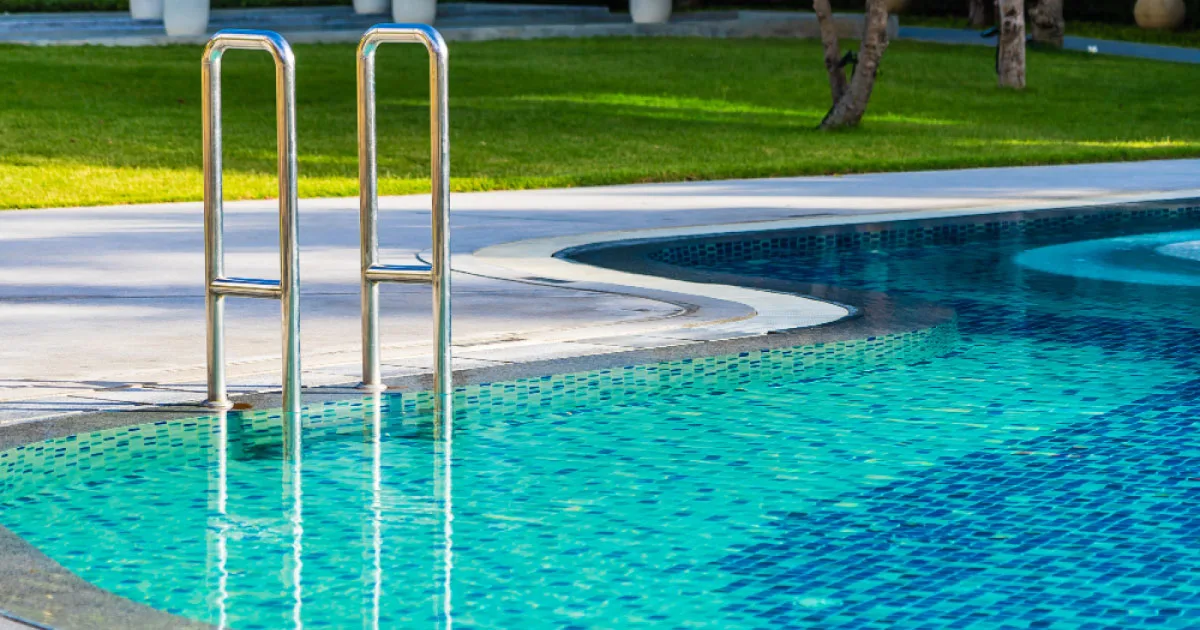
A swimming pool can be an attractive and valuable feature of a residential, commercial, or hospitality property. However, regular exposure to water, chemicals, weather, and continuous use can gradually affect its appearance and performance. Cracked surfaces, damaged tiles, outdated finishes, leaks, worn equipment, and drainage issues can make an older pool less functional and appealing. Swimming Pool Renovation provides an opportunity to restore the pool, improve its overall condition, and create a more attractive and functional swimming environment.
Whether you want to make minor improvements or completely transform an ageing pool, proper planning is essential. Understanding the renovation process, common upgrades, and maintenance requirements can help you make informed decisions.
What Is Swimming Pool Renovation?
Swimming Pool Renovation involves repairing, upgrading, or completely transforming an existing swimming pool and its surrounding areas. The scope of work depends on the pool's age, structural condition, design, and the owner's requirements.
A renovation project may include surface restoration, tile replacement, waterproofing, equipment upgrades, lighting improvements, drainage work, or changes to the pool deck. Some projects only require cosmetic improvements, while others may involve more extensive repairs.
The main objective is to restore the pool's condition while improving its appearance, functionality, and long-term usability.
Why Does a Swimming Pool Need Renovation?
Over time, swimming pools experience natural wear and deterioration. Even with regular cleaning and maintenance, certain components eventually require repair or replacement.
Common Signs Your Pool Needs Renovation
Some signs that may indicate it is time to consider renovation include:
- Cracked or deteriorating pool surfaces
- Loose, broken, or damaged tiles
- Visible water leaks
- Staining or discolouration
- Damaged coping around the pool
- Outdated lighting systems
- Poor drainage around the pool area
- Inefficient pumps or filtration equipment
- Worn or slippery pool decking
- An outdated pool design
Addressing these problems early can help prevent minor issues from becoming more complicated and expensive repairs.
Key Areas Covered During Swimming Pool Renovation
A successful renovation should consider both the pool itself and the systems supporting its operation.
Pool Surface Restoration
The pool surface is continuously exposed to water and chemicals, making it one of the most important areas to inspect. Depending on its condition, the existing finish may need repair, resurfacing, or replacement.
A refreshed surface can improve the pool's appearance while providing a smoother and more consistent finish.
Tile and Coping Replacement
Damaged or outdated tiles can affect both the appearance and usability of a pool. Cracked or loose tiles may also create maintenance concerns.
Replacing old tiles with suitable modern options can give the pool a refreshed appearance. Coping around the pool edge can also be repaired or replaced as part of the renovation.
Waterproofing and Leak Prevention
Protecting the pool structure from water seepage is an essential part of renovation. If you notice water loss, damp areas, cracks, or signs of moisture around the pool, the underlying cause should be investigated. Professional waterproofing and targeted repairs can help strengthen vulnerable areas, reduce leakage risks, and protect the surrounding structure from long-term water damage.
Proper waterproofing can help protect the pool structure and surrounding areas from unwanted water penetration.
Pool Equipment Upgrades
Older pumps, filters, heaters, and circulation equipment may operate less efficiently than newer systems. Renovation provides an opportunity to assess existing equipment and replace components that are outdated or no longer performing effectively.
Modern equipment can support better water circulation, filtration, and overall pool operation.
Pool Lighting Improvements
Lighting can significantly change the appearance and usability of a swimming pool. Energy-efficient LED lighting can provide improved illumination while offering a range of design possibilities.
Lighting can be installed inside the pool, around steps, along the pool edge, or within surrounding landscaping areas.
Pool Deck and Surrounding Areas
A renovation does not necessarily have to stop at the pool's edge. The surrounding deck, paving, drainage, and outdoor areas can also be upgraded.
Replacing worn surfaces or improving the layout can create a safer and more visually appealing environment around the pool.
Benefits of Swimming Pool Renovation
Renovating an existing pool can offer several practical and aesthetic benefits.
Improved Appearance
New surfaces, tiles, lighting, and surrounding finishes can give an older pool a completely refreshed appearance. Renovation can also help modernise a pool so that it complements the property's overall design.
Better Functionality
Replacing damaged components and upgrading equipment can improve how the pool operates. Better circulation, filtration, drainage, and lighting can contribute to a more functional swimming environment.
Enhanced Safety
Damaged tiles, cracked surfaces, uneven decking, and poor lighting can create potential safety concerns. Renovation allows these areas to be inspected and addressed as part of the improvement process.
Easier Maintenance
Modern finishes and upgraded equipment can make routine pool maintenance more manageable. Addressing damaged areas can also reduce the need for repeated short-term repairs.
Increased Property Appeal
A well-maintained and modern swimming pool can enhance the visual appeal of a residential, hotel, commercial, or recreational property. A professionally renovated pool can become a more attractive feature for occupants and visitors.
How to Plan a Swimming Pool Renovation Project
Good planning can make the renovation process more organised and cost-effective.
1. Inspect the Existing Pool
Begin with a detailed assessment of the pool structure, surface, tiles, plumbing, waterproofing, equipment, lighting, and surrounding areas.
2. Define the Renovation Scope
Determine whether the project requires minor repairs, aesthetic improvements, equipment upgrades, or a complete renovation. Clearly defining the scope can help with budgeting and project planning.
3. Select Suitable Materials
Choose pool finishes, tiles, lighting, equipment, and decking materials based on durability, appearance, maintenance requirements, and suitability for the environment.
4. Work With Experienced Professionals
Swimming pool renovation can involve structural repairs, waterproofing, plumbing, electrical work, and finishing. Working with experienced professionals can help ensure that each stage is assessed and completed appropriately.
5. Plan for Long-Term Maintenance
After renovation, establish a regular maintenance routine. Proper cleaning, water treatment, equipment inspections, and timely repairs can help protect the investment and extend the useful life of the renovated pool.
How Much Does Swimming Pool Renovation Cost?
The cost of Swimming Pool Renovation varies depending on several factors. These include the size and condition of the pool, the type of repairs required, materials selected, equipment upgrades, waterproofing requirements, labour, and the overall scope of the project.
A basic renovation involving cosmetic improvements will generally require a different budget from a complete structural renovation with new equipment and finishes.
For an accurate estimate, it is best to arrange a professional inspection and request a detailed quotation outlining the proposed work, materials, and associated costs.
Conclusion
Swimming Pool Renovation is an effective way to restore an ageing or damaged pool while improving its appearance, functionality, safety, and long-term usability. From resurfacing and tile replacement to waterproofing, equipment upgrades, lighting, and pool deck improvements, renovation can be tailored to the specific condition and requirements of each pool.
The best approach is to assess the existing pool carefully, identify priority repairs, choose suitable materials, and plan the work with experienced professionals. With proper renovation and ongoing maintenance, an older swimming pool can become a modern, functional, and attractive feature of the property.
Frequently Asked Questions About Swimming Pool Renovation
1. What does Swimming Pool Renovation include?
Swimming Pool Renovation can include surface restoration, tile and coping replacement, waterproofing, leak repairs, equipment upgrades, lighting improvements, pool deck renovation, and other required repairs or upgrades.
2. How do I know if my swimming pool needs renovation?
Cracked surfaces, damaged tiles, leaks, stains, outdated equipment, poor drainage, worn decking, and an old or deteriorated appearance can indicate that renovation may be required.
3. Can an old swimming pool be completely renovated?
Yes. Depending on its structural condition, an old pool can often be extensively renovated with new finishes, tiles, equipment, lighting, waterproofing, and surrounding features.
4. How long does Swimming Pool Renovation take?
The project duration depends on the pool's size, condition, renovation scope, materials, and required repairs. A professional assessment can provide a more accurate project timeline.
5. Is waterproofing necessary during pool renovation?
Waterproofing may be necessary when there are leaks, structural deterioration, or areas vulnerable to water penetration. The requirement should be determined through a proper inspection.
6. Can pool equipment be upgraded during renovation?
Yes. Renovation is a suitable opportunity to inspect pumps, filters, circulation systems, heaters, and other equipment and replace outdated or inefficient components where necessary.
7. How can I maintain my renovated swimming pool?
Regular cleaning, appropriate water treatment, equipment inspections, filtration maintenance, and prompt attention to damage can help maintain the pool after renovation.