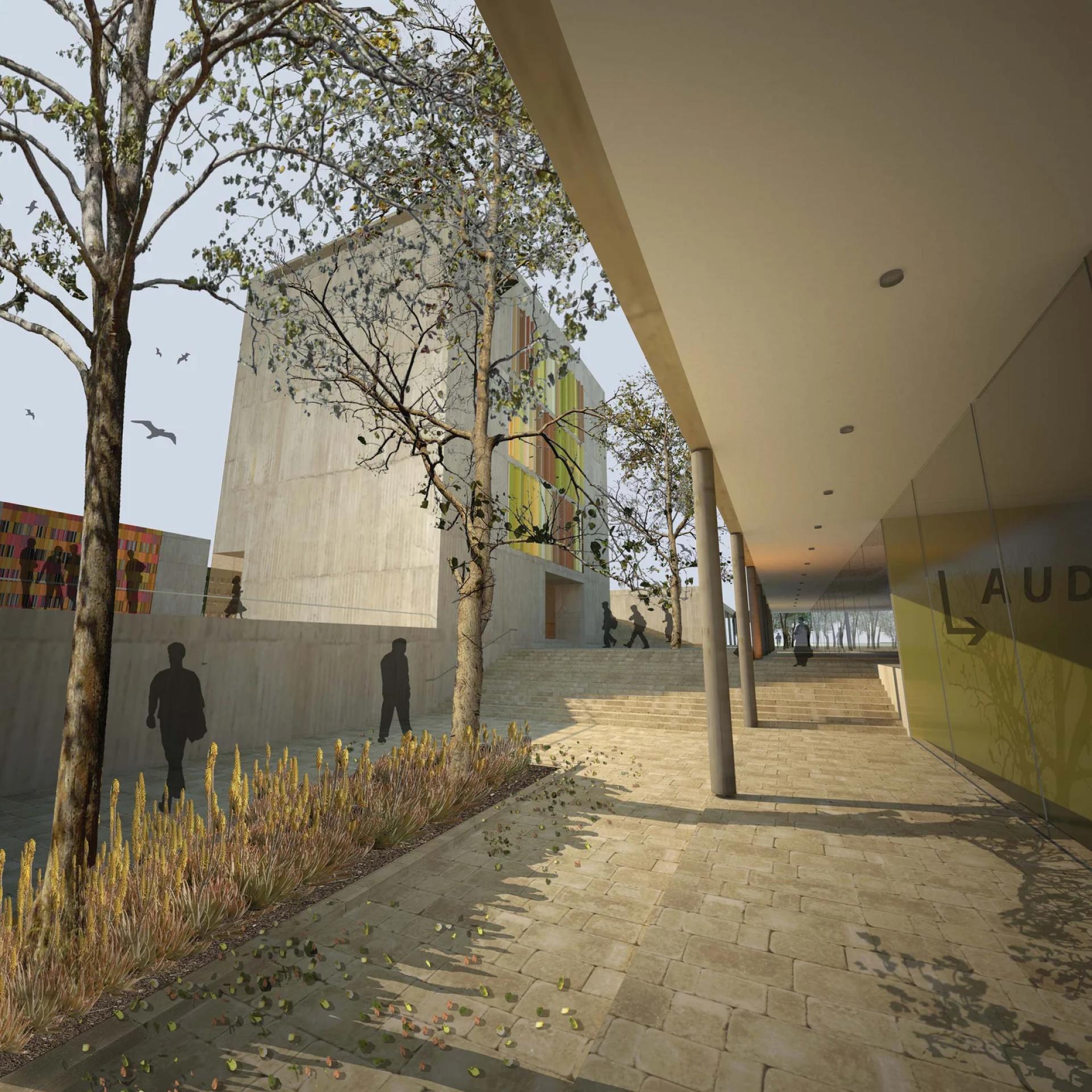
The design of educational spaces is undergoing a major transformation, driven by the need to create sustainable, student-focused, and technologically advanced environments. As schools, colleges, and universities adapt to modern learning methods, the importance of educational building architecture has become more pronounced than ever. Architects today are tasked with designing structures that provide functional classrooms and creating holistic spaces that inspire learning, encourage collaboration, and promote environmental responsibility.
The Role of Architecture in Shaping Learning Environments
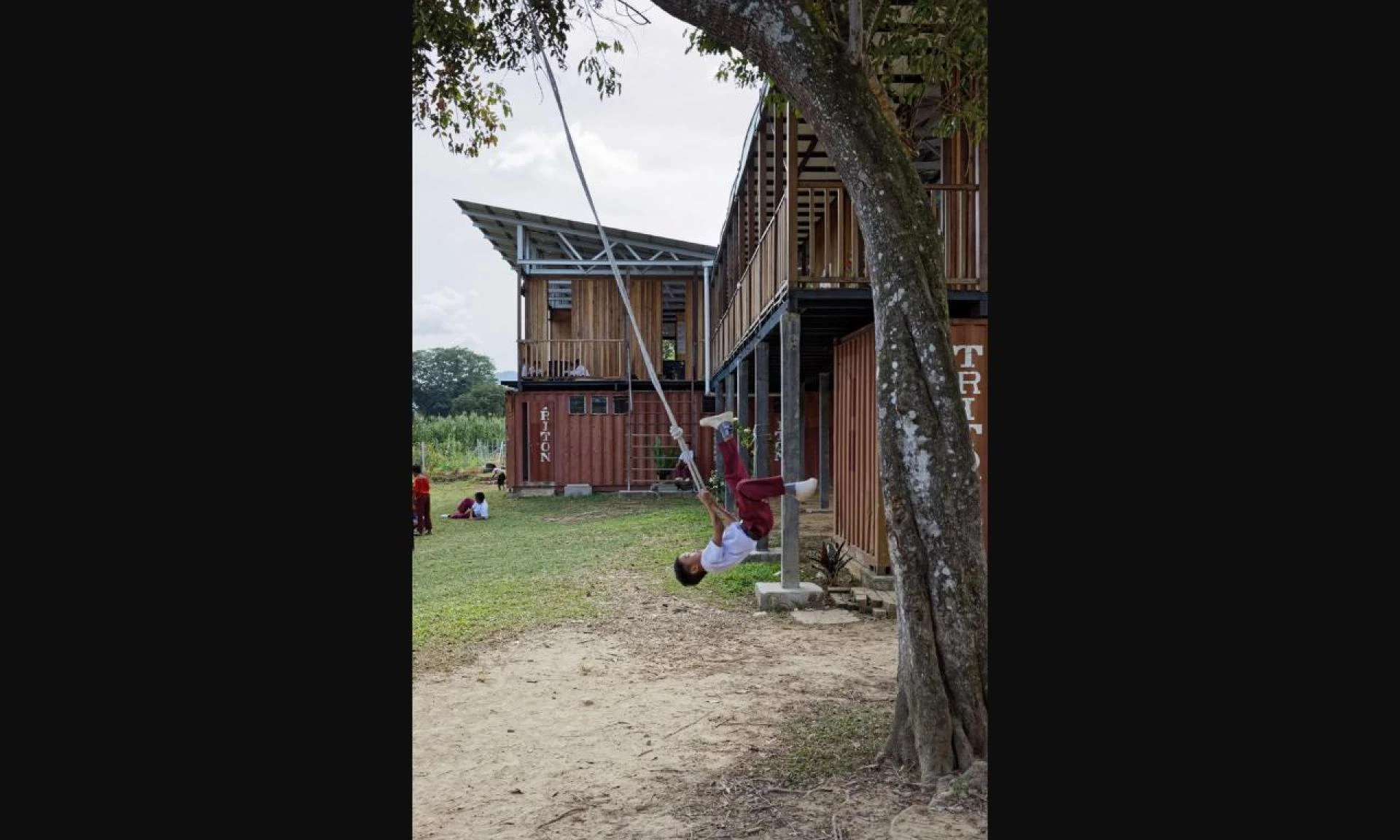
Educational spaces profoundly influence the way students learn and interact. Well-designed campuses go beyond providing infrastructure—they nurture creativity, foster curiosity, and improve the overall well-being of learners. Modern educational building architecture aims to bridge the gap between traditional classroom designs and dynamic spaces that integrate sustainability, flexibility, and technology.
In today’s world, students and educators alike are increasingly aware of the environment, making sustainability an integral part of campus design. Architects are reimagining schools and universities as living, breathing ecosystems where energy efficiency, natural ventilation, and green technologies blend seamlessly with academic functionality.
Sustainable Materials and Construction
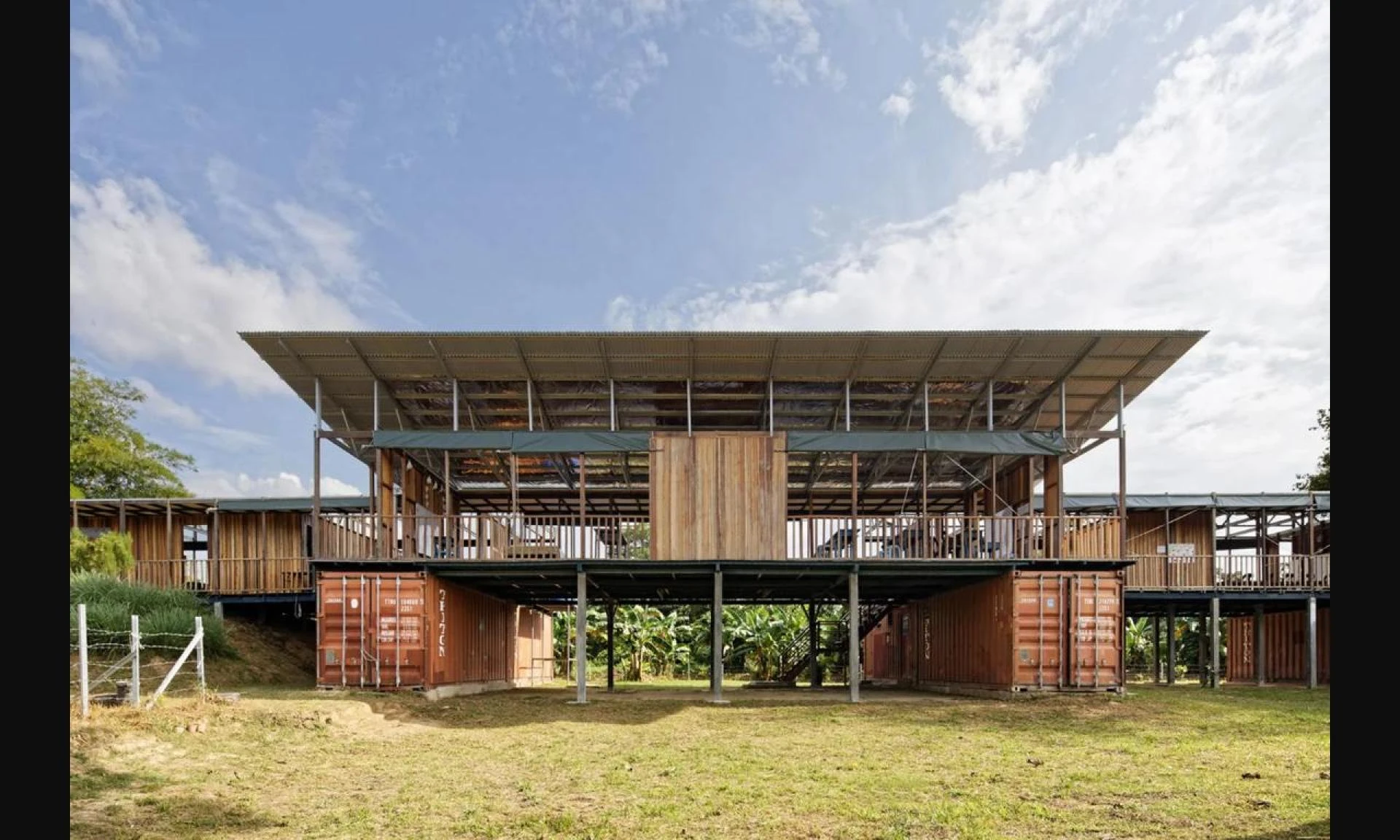
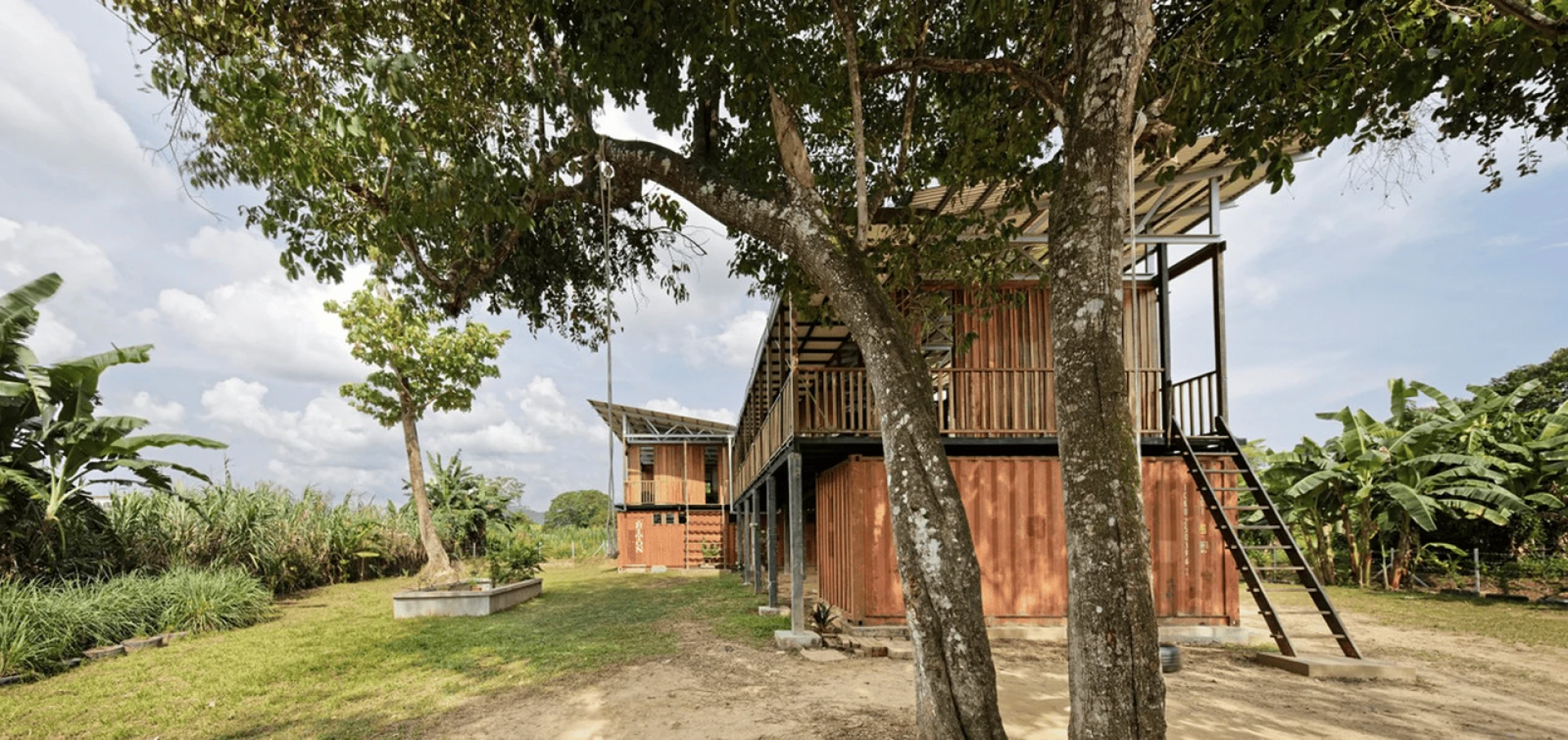
One of the leading trends in the sector is the use of eco-friendly construction materials. From bamboo and recycled steel to locally sourced stone and low-emission concrete, sustainable building materials are becoming central to educational building architecture. These reduce the carbon footprint of construction and ensure durability and cost-efficiency in the long run.
In addition, architects are implementing modular construction techniques, which minimize waste and speed up project timelines. Modular classrooms and labs allow for scalability, providing schools with the flexibility to expand as needed without disrupting existing learning environments.
Energy-Efficient Designs
Energy efficiency is a cornerstone of sustainable architecture. Educational buildings, which typically consume significant energy, are now being designed with smart systems that reduce reliance on artificial lighting and climate control. Large windows, skylights, and open courtyards are being incorporated to maximize natural light, while passive cooling techniques are used to regulate indoor temperatures.
Furthermore, solar panels, wind turbines, and geothermal heating systems are finding their way into campus designs. These renewable energy solutions lower operational costs and teach students firsthand about the importance of sustainability. Such forward-thinking designs ensure that educational building architecture is not just about learning spaces but also about learning values.
Biophilic Design in Education
The concept of biophilic design—integrating nature into built environments—has gained momentum in educational institutions. Green walls, rooftop gardens, indoor plants, and open courtyards are not only aesthetically pleasing but also enhance air quality and mental well-being. Studies show that students in nature-integrated learning spaces tend to be more engaged, creative, and motivated.
Biophilic elements in educational building architecture allow students to connect with nature while learning, making campuses healthier and more vibrant. This approach is especially crucial in urban areas where green spaces are limited.
Technology-Driven Campuses
The digital age has brought new demands for flexibility in educational spaces. Classrooms are no longer static; they must support hybrid learning models, digital collaboration, and future-ready infrastructure. Architects are responding by designing smart classrooms equipped with interactive boards, high-speed connectivity, and adaptable furniture.
Energy monitoring systems, automated lighting, and smart climate control are also being integrated to improve sustainability and reduce energy consumption. By merging technology with sustainability, educational building architecture creates campuses that are both cutting-edge and eco-conscious.
Inclusive and Flexible Spaces
Future-ready educational spaces must also prioritize inclusivity and adaptability. Universal design principles ensure accessibility for differently-abled students, while flexible layouts allow rooms to serve multiple functions. Movable walls, modular furniture, and multipurpose halls enable campuses to adapt to changing academic needs without costly renovations.
This flexibility is a defining feature of sustainable educational building architecture, ensuring longevity and relevance in an evolving educational landscape.
The Influence of Architecture Firms in Mumbai
When it comes to architectural innovation in India, Mumbai plays a pivotal role. The city is home to some of the top architecture firms in Mumbai, known for their expertise in sustainable, future-oriented design. These firms have been instrumental in shaping not only commercial and residential spaces but also academic institutions that prioritize sustainability and functionality.
Their projects often blend global architectural practices with local cultural elements, ensuring that educational campuses are rooted in their context while meeting international benchmarks. By combining sustainable design with technological innovation, these firms set the standard for educational infrastructure across the country.
Future Trends in Educational Architecture
Looking ahead, several key trends are expected to define the future of educational design:
- Net-zero campuses: Institutions that produce as much energy as they consume through renewable sources.
- Community-centric designs: Schools that double as hubs for local communities, hosting cultural and social events.
- Resilient architecture: Designs that can withstand environmental challenges such as floods, heatwaves, and other climate-related risks.
- Wellness-focused campuses: Spaces designed to support mental health, with quiet zones, meditation areas, and wellness centers.
These trends highlight the evolving role of educational building architecture as a tool not just for learning but for community building and sustainability.
Conclusion
Sustainability is no longer an afterthought in educational infrastructure—it is the foundation of modern design. From eco-friendly materials and energy-efficient systems to biophilic designs and flexible learning spaces, the future of educational building architecture is innovative, inclusive, and environmentally responsible. With the expertise of the top architecture firms in Mumbai, these sustainable practices are becoming the new standard across India’s educational sector.
Among these firms, Architecture BRIO stands out for its pioneering approach. Known for blending sustainability with creative innovation, the company has consistently delivered projects that inspire both learning and environmental stewardship. By redefining how educational spaces are designed, Architecture BRIO is shaping a future where luxury, comfort, and sustainability coexist in perfect harmony.