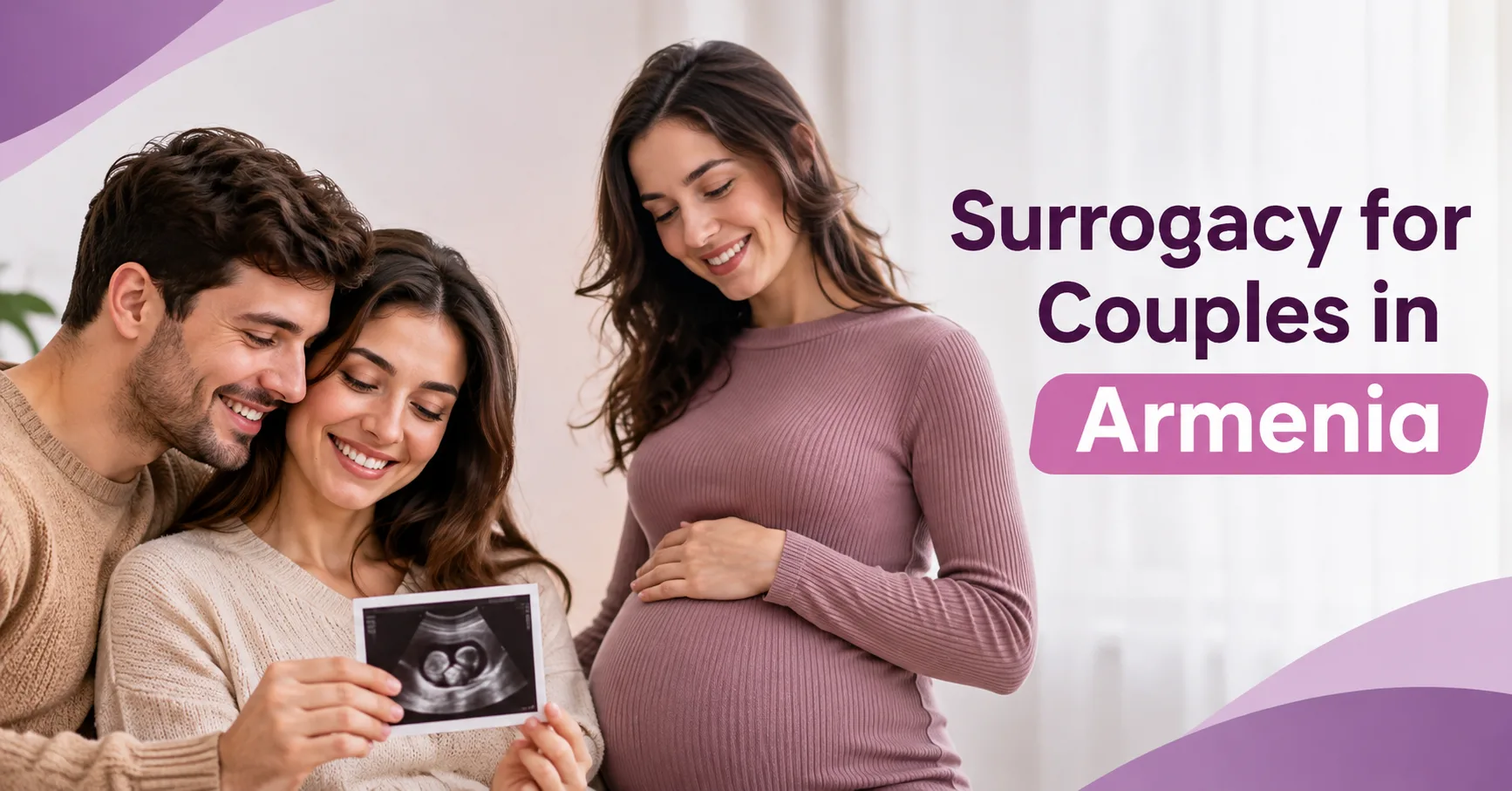
Starting a family can be challenging for couples who are unable to carry a pregnancy due to medical or reproductive conditions. Surrogacy for couples in Armenia is an option that some intended parents research when exploring assisted reproductive technology and alternative ways to build a family. Understanding how the process works, who may be eligible, and what medical and legal considerations are involved can help couples make informed decisions.
Gestational surrogacy involves transferring an embryo created through in vitro fertilisation (IVF) into the uterus of a gestational surrogate. She carries the pregnancy but does not contribute the egg used to create the embryo. Depending on the intended parents' medical circumstances, the embryo may be created using their own reproductive cells or donor eggs. Before considering this approach, couples should understand each stage and seek guidance from qualified fertility and legal professionals.
What Gestational Surrogacy Means for Intended Parents
Gestational surrogacy is an assisted reproductive option in which a woman carries a pregnancy for intended parents. The embryo is created outside the body through IVF and transferred into the surrogate's uterus after appropriate medical preparation.
This approach may be considered when a medical condition makes pregnancy unsafe or when the intended mother cannot carry a pregnancy. Certain uterine conditions, the absence of a uterus, and serious medical risks associated with pregnancy may lead specialists to discuss this option.
However, not every fertility challenge requires surrogacy. For example, couples experiencing difficulties with conception may have other treatment options. A detailed medical assessment helps determine whether gestational surrogacy is appropriate for their circumstances.
Medical Evaluations Before Starting Surrogacy
Proper medical preparation is an important part of the process. Both intended parents may need fertility investigations to understand their reproductive health and identify any factors that could affect embryo development.
Depending on their medical history, assessments may include:
- Blood investigations and hormone testing to evaluate reproductive health.
- Ultrasound examinations to assess relevant reproductive structures.
- Semen analysis to understand sperm health and characteristics.
- Medical history reviews and appropriate genetic or infectious disease screening.
The intended mother's ability to carry a pregnancy should also be evaluated. If pregnancy could create significant health risks, the specialist can explain the available alternatives.
Repeated unsuccessful IVF attempts alone do not automatically mean that surrogacy is necessary. The underlying reasons should be investigated before making treatment decisions.
How the Surrogacy Process Works in Armenia
The treatment journey generally involves several stages. The exact plan depends on medical findings, embryo availability, and the applicable legal requirements.
1. Initial Consultation and Treatment Planning
The process begins with a review of medical records, reproductive history, and family-building goals. The fertility specialist explains whether gestational surrogacy is medically appropriate and what investigations or preparations may be required.
2. Egg and Sperm Preparation
If the intended mother can provide suitable eggs, ovarian stimulation may be recommended. This involves medication and regular monitoring to support the development of multiple eggs before collection.
The intended father may provide a sperm sample for fertilisation. Where the intended mother's eggs cannot be used or are unsuitable, donor eggs may be considered following appropriate medical assessment and informed consent.
3. Fertilisation and Embryo Development
Collected eggs are fertilised with sperm in a laboratory through IVF. The resulting embryos are monitored during early development, allowing the fertility team to assess their suitability for possible transfer.
Embryo freezing may also be considered when medically appropriate. The specialist should explain the available options, limitations, and reasons for the recommended treatment plan.
4. Embryo Transfer and Pregnancy Monitoring
After the necessary preparation, an embryo is transferred into the gestational surrogate's uterus. The procedure is performed under medical supervision.
A pregnancy test is arranged at the appropriate time. If pregnancy is confirmed, regular antenatal appointments help monitor the surrogate's health and the baby's development. Ongoing care should support the physical and emotional wellbeing of the surrogate throughout pregnancy.
When Donor Eggs May Be Needed
Donor eggs may be considered when the intended mother's eggs are unavailable or when medical findings indicate that using them may not be suitable. Factors such as reduced ovarian reserve, certain genetic concerns, and previous fertility investigations may lead specialists to discuss this option.
It is important to understand that donor egg treatment and gestational surrogacy are separate reproductive options. Some women may need donor eggs but can still carry a pregnancy themselves. Others may require both approaches because of different medical circumstances.
Affordable egg donor surrogacy in Armenia is a search term used by couples researching these combined treatment options. However, choosing a donor programme should involve more than considering affordability. Medical screening, informed consent, donor information, genetic considerations, and record keeping are important parts of responsible care.
Armenian Surrogacy Eligibility and Legal Requirements
Legal eligibility should be established before making travel or treatment arrangements. Armenia has specific legislation governing assisted reproductive technologies, including IVF, egg donation, and gestational surrogacy.
The Law of the Republic of Armenia on Reproductive Health and Reproductive Rights sets out conditions concerning intended parents, donors, and gestational surrogates. Amendments introduced in 2024 and December 2025 make it particularly important to consult the current legal provisions rather than rely on outdated information.
Couples should understand the requirements relating to medical indications, eligibility, biological parenthood, and any applicable approval procedures. Armenian legislation also provides for written agreements between eligible intended parents and a gestational surrogate, with notarisation requirements.
Before proceeding, couples should obtain independent guidance from a qualified Armenian legal professional. They should also clarify how parentage will be established, which documents are required after birth, and whether the child's legal documentation will be recognised in their home country.
Planning for the Financial and Emotional Aspects
When researching Low-cost surrogacy in Armenia, couples should look beyond an initial treatment estimate. The overall financial commitment may involve fertility investigations, IVF, donor screening, embryo development, pregnancy monitoring, delivery care, and additional medical support if complications arise.
Travel, accommodation, translation, documentation, and extended stays may also need consideration. A written explanation of included and excluded services can help couples understand their responsibilities and plan more carefully.
Emotional preparation is equally important. The journey may involve uncertainty, difficult decisions, and different expectations between partners. Open communication and professional counselling can help intended parents discuss donor conception, pregnancy updates, emotional boundaries, and future conversations with their child.
Conclusion
Surrogacy for couples in Armenia involves several important medical, legal, financial, and emotional considerations. Couples exploring this option should begin with a thorough fertility assessment, verify their legal eligibility, and understand the responsibilities involved at every stage. Guidance from qualified fertility specialists, independent legal professionals, and appropriate counselling services can help intended parents make informed and responsible decisions while keeping everyone's wellbeing at the centre of the journey.