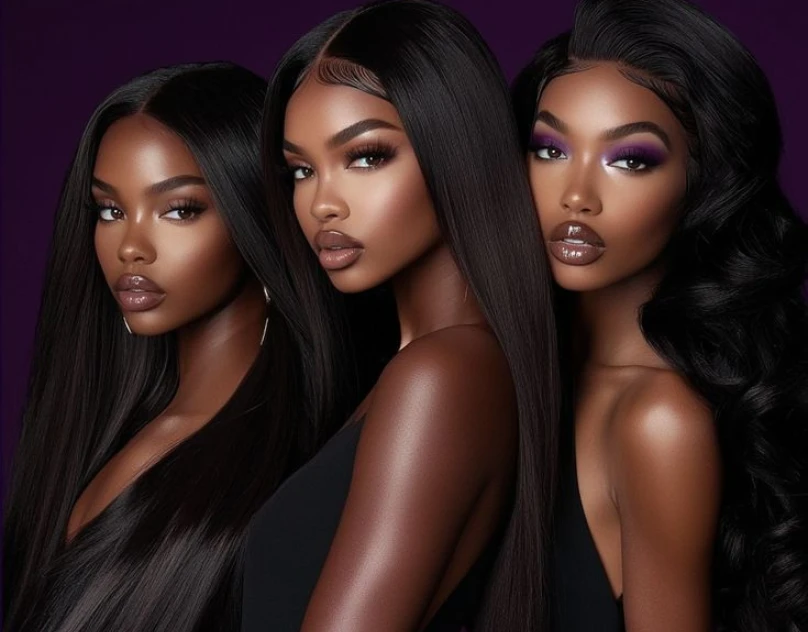
When illness strikes, it often brings unexpected changes, including hair loss from treatments like chemotherapy or medical conditions such as alopecia. Wigs human hair emerge as a powerful ally, restoring not just appearance but also confidence and a sense of normalcy. In this comprehensive guide, you'll discover how wig human hair options can uplift self-esteem, practical tips for choosing and wearing them, real-life benefits, and answers to common questions—all tailored for those navigating health challenges.
Why Wigs Human Hair Matter During Health Challenges
Hair loss can deeply impact emotional well-being, with studies showing up to 75% of cancer patients experiencing distress over appearance changes. Hair wigs made from human hair offer a natural solution, mimicking the texture, movement, and versatility of your own locks. Unlike synthetic alternatives, hair wig choices allow styling with heat tools, coloring, and washing like real hair, helping users feel authentically themselves.
The Emotional Lift of Looking Like Yourself
Wearing a wig human hair during illness isn't vanity—it's self-care. It bridges the gap between "before" and "during" illness, preserving identity. Women and men alike report feeling more social, positive, and in control. For instance, the soft wave of a human hair afro wig can celebrate cultural roots, boosting pride amid uncertainty.
Medical Context and Accessibility
Conditions like breast cancer, lupus, or thyroid issues trigger diffuse thinning, while chemo causes rapid loss. Hospitals and nonprofits often provide wigs human hair grants, making them accessible. Premium options last 6-12 months, outpacing synthetics, justifying the investment for long-term emotional support.

Choosing the Perfect Wigs Human Hair for Illness Recovery
Selecting the right hair wigs requires focusing on comfort, realism, and lifestyle. Prioritize Remy human hair—cuticles aligned for shine and tangle resistance.
Key Features to Look For
- Density and Length: Opt for 130% density for natural fullness; short hair wig bobs (10-14 inches) suit low-energy days, while longer layers add femininity.
- Cap Construction: Breathable lace fronts or monofilament tops prevent scalp irritation, crucial during sensitive recovery.
- Texture Variety: Straight lace front wigs human hair offer sleek professionalism; curly or human hair afro wigs provide volume and bounce.
- Color Matching: Neutral undertones blend best; custom rooting adds depth.
Quick Selection Pointers
- Sensitive scalp? Choose hand-tied caps.
- Active lifestyle? Lightweight wefted bases.
- Cultural style? Human hair afro wigs in kinky straight or deep wave.
- Budget: $200-800 for quality wig human hair.
Customization for Confidence
Pluck the hairline, trim layers, or add highlights post-purchase. Salons specializing in medical hair loss offer fittings, ensuring the wigs human hair feels like an extension of you, not a disguise.

Installation and Daily Wear Tips for Maximum Comfort
Mastering wear during illness means prioritizing gentleness.
Step-by-Step Application
- Prep skin with alcohol-free wipes.
- Secure natural hair (if any) under a silicone liner.
- Position lace front, cut excess in zigzags.
- Use wig clips or gentle adhesive like spirit gum.
- Style with low-heat tools.
Adjustable straps and velcro tabs accommodate head size fluctuations from meds.
Maintenance During Illness
- Wash bi-weekly with sulfate-free shampoo.
- Air-dry to preserve elasticity.
- Store on stands to maintain shape.
- Pointer: Sleep in a silk bonnet to minimize friction.
These habits extend hair wig life, supporting sustained self-esteem.
Pros and Cons of Wigs Human Hair vs. Alternatives
Pros:
- Lifelike movement and styling freedom.
- Holds curls, colors, and updos.
- Breathable for all-day comfort.
- Reusable, cost-effective long-term.
- Boosts mood—users feel "put together."
Cons:
- Higher upfront cost.
- Requires more maintenance.
- Heat sensitivity if not high-quality.
- Weight (mitigated by modern caps).
Compared to synthetics, wigs human hair win for realism during social recovery phases.
Real Stories: How Hair Wigs Transform Lives
Countless women share triumphs: "My human hair afro wig let me attend my daughter's wedding feeling beautiful," says one survivor. Another notes, "Wig human hair helped me face mirrors again post-chemo." These anecdotes underscore the psychological buffer hair wigs provide, aligning with research from the American Cancer Society on appearance's role in quality of life.
Addressing Specific Needs: Human Hair Afro Wigs and More
For diverse hair textures, human hair afro wigs shine. Sourced ethically, they offer coily, curly patterns that revert after washing—no daily re-curling needed. Ideal for Black women facing traction alopecia or chemo, they affirm identity without compromise.
Tailoring for Illness Types
- Cancer: Pre-styled, easy-care straight hair wigs.
- Autoimmune: Lightweight toppers blending with thinning edges.
- Post-surgery: Glueless clips for quick changes.

FAQs: Your Wigs Human Hair Questions Answered
How long do wigs human hair last during illness?
With proper care, 9-18 months—longer than synthetics.
Are hair wigs covered by insurance?
Often partially for medical necessity; check providers like Medicaid.
Can I swim or exercise in a wig human hair?
Yes, with waterproof adhesives and post-rinse conditioning.
What's the best wig human hair for beginners?
Lace front monos for ease and realism.
Do human hair afro wigs tangle easily?
Minimal if Remy; moisturize weekly.
How to match my skin tone?
Test lace against jawline in natural light.
Are there hypoallergenic options?
Silk-lined caps reduce irritation.
Expert Tips for Long-Term Self-Esteem Support
Consult trichologists for scalp health alongside hair wigs. Pair with counseling—appearance tools amplify therapy. Track mood pre/post-wear to quantify benefits.
Daily Affirmation Pointers
- Rotate styles to avoid boredom.
- Accessorize with scarves or hats.
- Join support groups for wig swaps.
- Focus on holistic glow: skincare, nutrition.

Conclusion
Wigs human hair are more than accessories—they're self-esteem lifelines during illness, offering realism, versatility, and empowerment. From human hair afro wigs celebrating texture to sleek hair wig bobs for everyday wins, they help reclaim joy amid adversity. Embrace options that feel right, nurture them well, and watch confidence flourish.