For decades, the formal shirt has been relegated to a supporting role, a mere canvas for the star players of men's formalwear: the suit and the tie. It was a piece of clothing defined by its function—to be tucked neatly under a jacket, its collar a frame for a knot of silk. But as the lines between professional, smart-casual, and even relaxed weekend attire have blurred, the formal shirt is undergoing a quiet revolution. It is emerging as a standalone style statement, a versatile wardrobe staple that can anchor a multitude of looks, far beyond the confines of the boardroom.
This shift isn't just a fleeting trend; it's a reflection of a deeper change in how we approach personal style. The rigid dress codes of the past have given way to an appreciation for individuality and a desire for clothing that is both functional and expressive. In this new era, mastering the art of styling a formal shirt is no longer about following rules, but about understanding principles of fit, fabric, and proportion to create compelling and confident outfits for any occasion.
This comprehensive guide will take you on a journey to explore the untapped potential of the formal shirt. We'll delve into the nuances of shirt types, the power of fabric, and the art of pairing, all while providing practical, actionable advice to help you build a wardrobe that is both stylish and sustainable. We'll show you how to transform a piece of clothing once considered a uniform into a cornerstone of your personal style.
The Foundation: Understanding the Anatomy of a Formal Shirt
Before we can style a formal shirt, we must first understand its components. The subtleties in a shirt's design can dramatically alter its aesthetic and its suitability for different looks.
1. The Collar: A Frame for Your Face
The collar is arguably the most defining feature of a formal shirt. Its shape and size dictate the formality and character of the garment.
- The Point Collar: The classic and most common collar style. Its narrow points create a clean, sharp line, making it highly versatile. It works well with or without a tie and is a safe bet for any formal or business casual setting.
- The Spread Collar: Characterized by its wider points, this collar allows for a larger tie knot. It exudes a modern, European flair and is a staple in many contemporary business casual wardrobes. It's an excellent choice for a bold, confident look.
- The Button-Down Collar: This collar features small buttons at the tips, securing them to the shirt. Originally an American invention for polo players, it has a distinctly casual and sporty feel. It is the quintessential choice for a business casual shirt and works beautifully when worn without a tie.
- The Wing Collar: Reserved for the most formal occasions, like black tie events. The small, folded-over points stand up, specifically designed to accommodate a bow tie. This collar is not meant for everyday styling.
2. The Fabric: The Soul of the Shirt
The fabric of a shirt determines its texture, drape, and breathability, all of which are crucial for styling.
- Cotton: The undisputed king of shirt fabrics. Its versatility is unmatched.
- Poplin: A tightly woven, smooth fabric that creates a crisp, clean look. It's a fantastic choice for a classic, professional shirt.
- Twill: Known for its diagonal weave, twill has a subtle sheen and drapes beautifully. It's more wrinkle-resistant than poplin, making it an excellent option for long days.
- Oxford: A basket weave fabric that is more textured and durable. It’s the definitive fabric for a business casual shirt, offering a perfect blend of a relaxed feel with a smart appearance. The Oxford shirt is a foundational piece for any wardrobe, easily styled up or down.
- Linen: A lightweight, highly breathable fabric made from the flax plant. Linen shirts are perfect for warmer climates and create a relaxed, airy aesthetic. They naturally have a more wrinkled texture, which is part of their charm.
- Flannel: A soft, woven fabric known for its warmth. Flannel shirts are inherently casual and are ideal for layering in colder weather. While often associated with lumberjacks, a well-fitted flannel can be a stylish addition to a casual wardrobe.
3. The Fit: The Secret to a Polished Look
No matter how expensive the fabric or how stylish the collar, a poor fit will ruin a look. A well-fitting shirt should be comfortable without being baggy.
- Shoulders: The seam should sit precisely on your shoulder bone. If it hangs over, the shirt is too big.
- Chest and Torso: The fabric should skim your body, not pull tightly. You should be able to move your arms freely without the buttons straining.
- Sleeves: The sleeves should be slim and tapered. The cuff should end just at the base of your hand, allowing for a watch to be visible.
According to a 2023 study by the Global Fashion Institute, 68% of consumers believe that a good fit is the most important factor in their clothing choices, outranking brand name and price. This data underscores the importance of prioritizing fit above all else when building a stylish wardrobe.
Mastering the Style: Beyond the Suit and Tie
Now that we've covered the fundamentals, let's explore the art of styling formal shirts in diverse, non-traditional ways.
1. The Business Casual Renaissance
The concept of a business casual shirts has evolved into a sophisticated and flexible dress code that allows for personal expression while maintaining a professional demeanor.
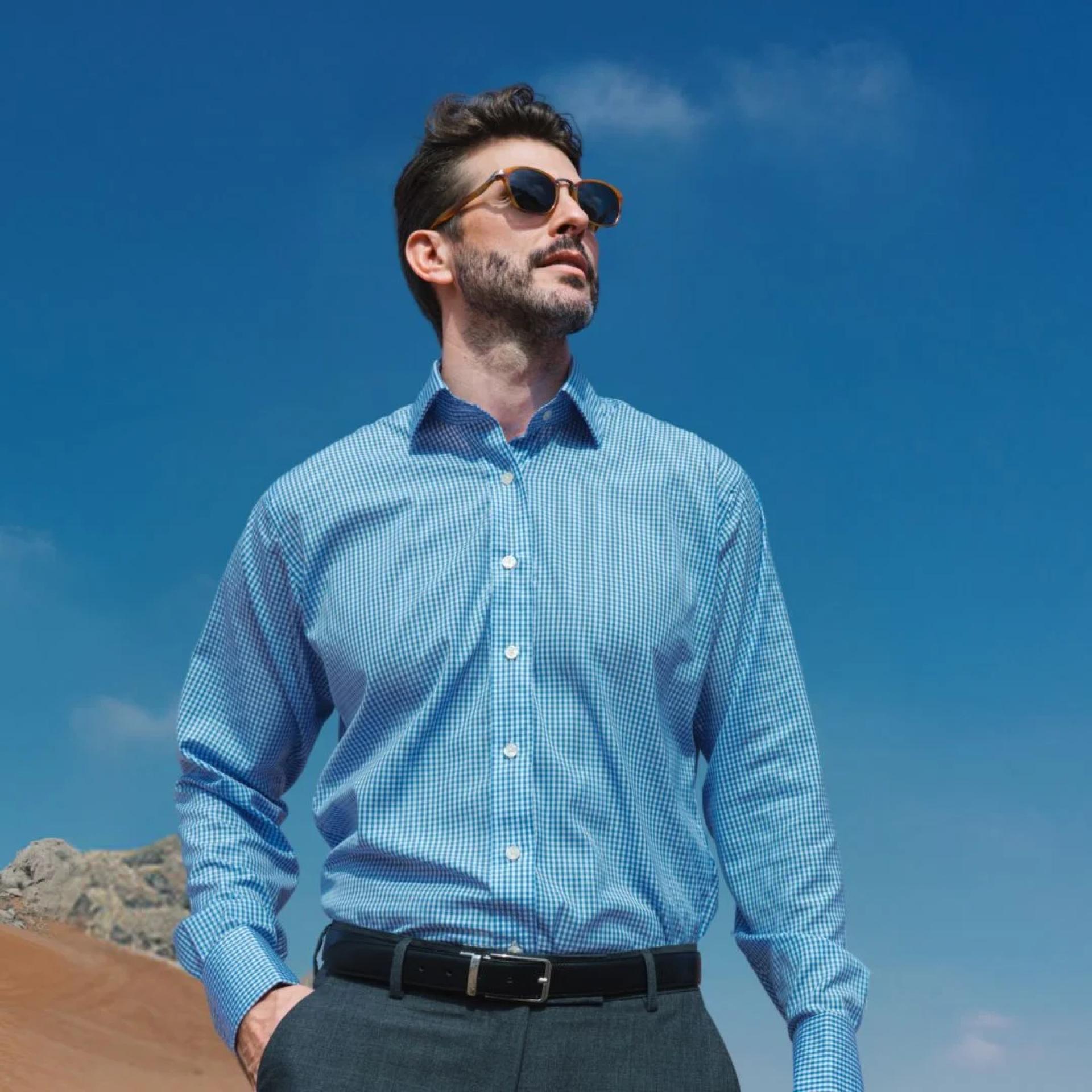
- With Trousers: Ditch the suit jacket and pair a crisp formal shirt with a pair of well-tailored chinos or wool trousers. For a classic look, opt for a solid-colored shirt (like a light blue or white poplin) and pair it with navy, charcoal, or khaki chinos. Elevate the look with a leather belt and loafers or brogues. This is the cornerstone of a smart office look.
- Layered with Knitwear: A formal shirt is the perfect base for layering. Wear it under a fine-gauge V-neck or crew-neck sweater for a polished, preppy vibe. This combination is warm and stylish, making it perfect for transitional weather. For a more relaxed feel, layer a button-down shirt under a simple cardigan.
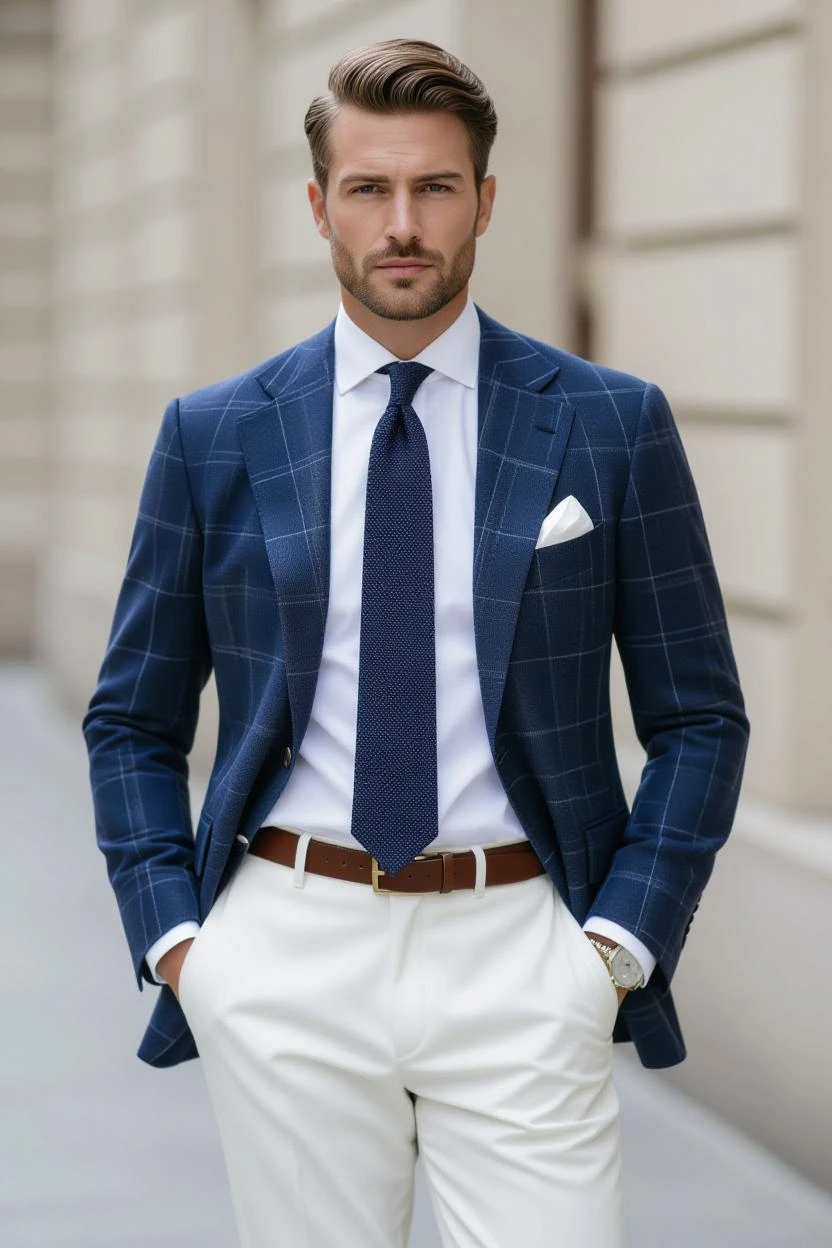
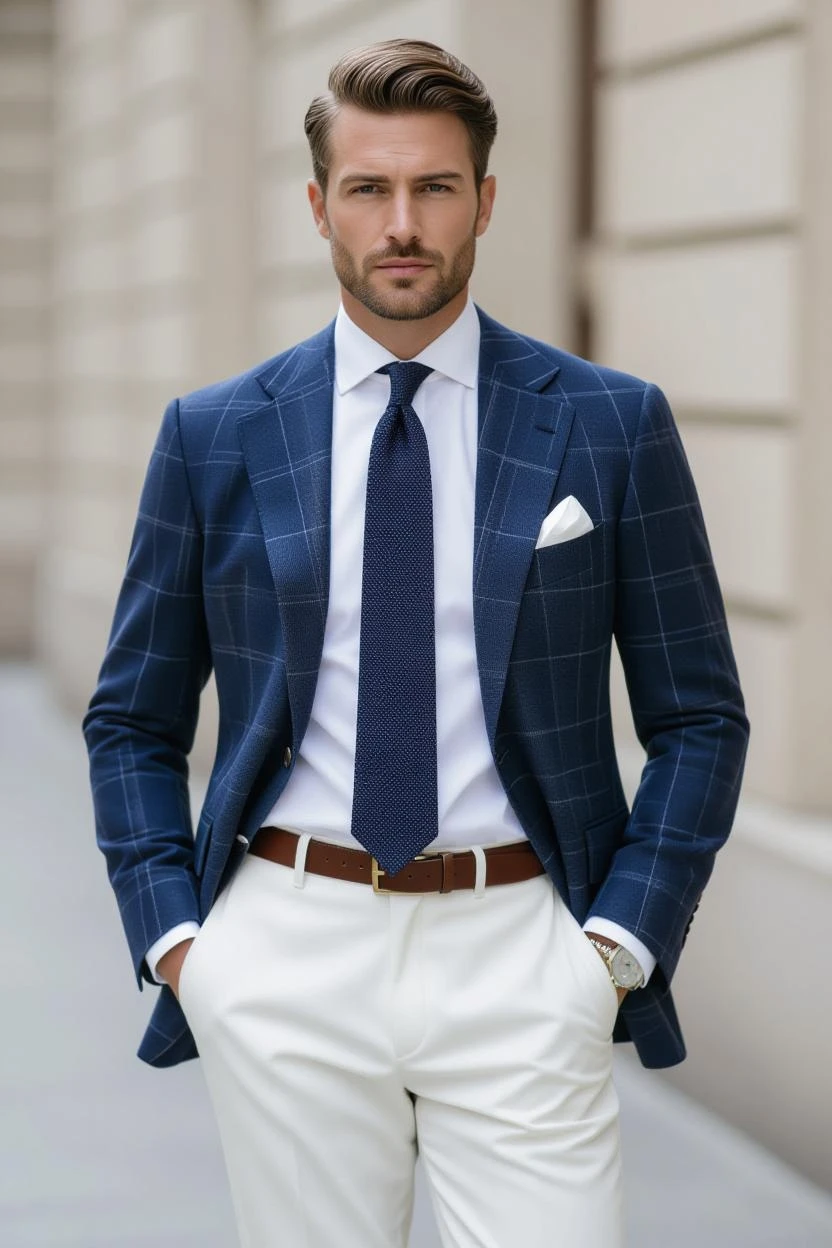
- The Blazer Alternative: A lightweight, unstructured blazer in a fabric like cotton or linen is the perfect companion to a formal shirt for a business casual setting. Unlike a traditional suit jacket, an unstructured blazer offers a more relaxed silhouette. The combination is smart, effortless, and allows for greater freedom of movement.
2. The Smart-Casual Spectrum
This is where the formal shirt truly shines, offering a bridge between professional and weekend attire.
- With Jeans: This is a classic combination that, when done correctly, is effortlessly cool. The key is to get the fit and fabric right. Opt for a slim-fit shirt in a more textured fabric like Oxford or Chambray. Pair it with dark, well-fitted jeans without any distressing. Finish the look with clean sneakers or stylish boots. The contrast between the smart shirt and the casual denim creates a dynamic and modern outfit.
- The Shirt Jacket (Shacket): For a contemporary, layered look, use your formal shirt as a light jacket. Choose a thicker fabric like a heavy cotton or a flannel. Wear it unbuttoned over a simple white T-shirt or a tank top. This look is perfect for a cool evening out or a weekend stroll.
- With Shorts: Yes, you can wear a formal shirt with shorts! This is a great summer look, but requires careful execution. Opt for a linen or lightweight cotton shirt, which will look more natural and relaxed. Roll up the sleeves and pair it with tailored shorts (not cargo shorts). The key is to keep the shorts neat and well-fitted to avoid a sloppy appearance. Finish with canvas sneakers or espadrilles.
3. The Artistic and Expressive Statement
Formal shirts can be used as a canvas for a more creative and personal style.
- Unbuttoned and Untucked: Breaking the rules can lead to a stylish result. For a truly relaxed look, unbutton the top two buttons and leave the shirt untucked. This works best with shirts that have a straight hem, like a button-down Oxford or a linen shirt. It's a great option for a casual outing or a holiday.
- The French Tuck: For a look that’s neat but not overly formal, try the French tuck—tucking just the front of the shirt into your trousers or jeans. This adds a subtle, modern asymmetry and defines the waist without the formality of a full tuck.
- Accessorizing for Impact: Accessories can transform a simple shirt. Add a statement watch, a beaded bracelet, or a simple leather necklace to a rolled-up sleeve. A pocket square in a contrasting color can add a pop of color and personality to a blazer-less look. Don't be afraid to experiment with different textures and colors in your accessories.
The Data Behind the Trends: A Look at the Market
The formal shirt's adaptability is not just a stylistic whim; it's a direct response to market demands. A 2024 report by Statista indicates that the global business casual apparel market is projected to reach over $150 billion by 2027, with a significant portion of this growth attributed to the increasing popularity of versatile shirts. This data highlights the commercial viability and cultural relevance of the business casual aesthetic, making the formal shirt a crucial component of any modern wardrobe.
Furthermore, a study conducted by the research firm NPD Group revealed that sales of non-iron and performance-fabric shirts have seen a 12% increase year-over-year from 2022 to 2023. These shirts, designed for comfort and ease of care, directly cater to the modern consumer who values functionality alongside style. This shift underscores a broader trend towards clothing that can seamlessly transition from a morning commute to an evening social event without the need for a wardrobe change.
Conclusion: The Formal Shirt as a Wardrobe Powerhouse
The notion that a formal shirt is a rigid, one-dimensional garment is a thing of the past. It is, in fact, one of the most versatile and powerful pieces in a man's wardrobe. By understanding the fundamentals of fit, fabric, and collar, and by embracing the art of creative pairing, you can unlock a world of stylistic possibilities.
From the traditional office to a casual weekend brunch, the formal shirt can be a tool for self-expression, a foundation for a sophisticated look, and a testament to your personal style. It's a garment that has moved from the background to the forefront, proving that true elegance lies not in adhering to strict rules, but in the confidence to bend them. So, the next time you reach for that crisp, tailored shirt, remember that its potential extends far beyond the confines of a suit and tie. It is a wardrobe powerhouse waiting to be styled.