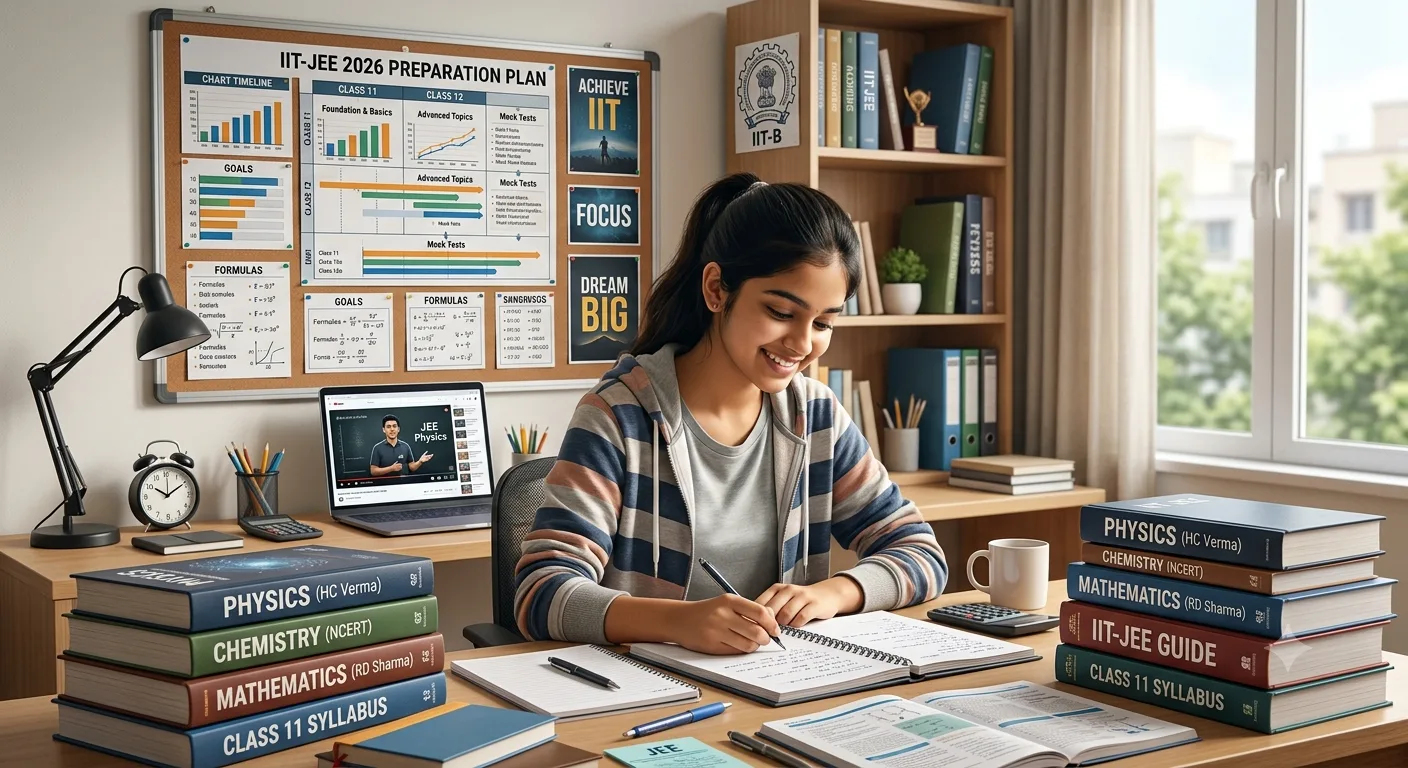

Why Is AI Bad for Students? This is a question many educators ask today, but it also highlights the importance of strong personal learning habits. Technology can provide quick answers, yet it sometimes weakens critical thinking, creativity, and independent effort. That is why focusing on study skills for high school students is more important than ever. Developing these skills helps learners rely on their own abilities rather than depending too much on tools that might limit growth.
Why Study Skills Are Important in High School
The transition from middle school to high school often surprises students. Classes are longer, subjects are more complex, and teachers expect more independent effort. Without strong study habits, students may find themselves falling behind even if they are intelligent and motivated.
Good study skills:
- Improve focus and concentration.
- Help students manage time effectively.
- Increase understanding and memory of new concepts.
- Reduce stress and last-minute cramming before exams.
- Encourage independence and responsibility.
In other words, learning how to learn is just as important as the content itself.
Time Management: The Foundation of Academic Success
Among all study skills for high school students, time management is the most vital. Every student has the same 24 hours, but those who know how to plan use their time more effectively.
Practical strategies for time management include:
- Using a planner or digital calendar to organize assignments, tests, and activities.
- Breaking large projects into smaller tasks with deadlines.
- Setting aside specific times of the day for studying.
- Avoiding procrastination by starting early, even if it’s just a small step.
For example, if a history paper is due in three weeks, students can create a timeline: Week 1 for research, Week 2 for writing, Week 3 for editing. This avoids last-minute stress and improves quality.
Creating the Right Study Environment
Where a student studies can make a big difference. A cluttered, noisy place distracts the brain, while a quiet, organized spot boosts concentration.
Tips for a productive environment:
- Choose a consistent location such as a desk, library corner, or study room.
- Remove distractions like phones, unnecessary tabs on the computer, or background TV.
- Keep supplies like pens, notebooks, and chargers nearby to avoid interruptions.
- Use good lighting and a comfortable chair to reduce fatigue.
Some students also use techniques like the Pomodoro method studying for 25 minutes, then taking a 5-minute break—to stay focused.
Effective Note-Taking Methods
High school courses present a lot of information quickly. Students who rely only on memory often struggle later. Strong note-taking methods make studying much easier.
Popular methods include:
- The Cornell Method: Dividing the page into cues, notes, and summary sections.
- Mind Mapping: Creating diagrams to connect related ideas.
- Outlining: Using bullet points and headings for structured information.
Reviewing notes within 24 hours of class helps transfer knowledge into long-term memory. Highlighting, underlining, or writing quick summaries at the end of each page also strengthens understanding.
Reading with Purpose
High school requires reading textbooks, novels, articles, and research materials. Skimming through them without focus is ineffective.
To read actively:
- Preview the chapter by looking at headings and summaries.
- Ask questions before and during reading to stay engaged.
- Highlight key concepts or write margin notes.
- After reading, summarize the main idea in your own words.
This approach improves comprehension and makes it easier to recall information during tests.
Improving Memory and Retention
Another major element of study skills for high school students is learning how to remember information effectively. Rote memorization works for short periods, but deeper techniques improve long-term recall.
Memory techniques include:
- Mnemonics: Using acronyms or rhymes (e.g., “PEMDAS” for math operations).
- Flashcards: Helpful for vocabulary, historical dates, or formulas.
- Spaced Repetition: Reviewing material at increasing time intervals.
- Visualization: Associating information with images or mental stories.
For example, students learning biology terms might imagine the parts of a cell as parts of a city, making them easier to visualize and recall.
The Role of Self-Discipline
Motivation may start the process, but discipline ensures results. Students must learn to resist distractions, stick to schedules, and keep promises to themselves.
Building self-discipline includes:
- Setting specific goals for each study session.
- Limiting time on social media or gaming during homework hours.
- Rewarding yourself after completing tasks (like short breaks or fun activities).
- Maintaining healthy sleep, diet, and exercise habits.
Discipline also means avoiding overwork. Consistent short study sessions are often better than long, exhausting ones.
Balancing Academics with Extracurricular Life
High school students are often involved in sports, clubs, music, or part-time jobs. These activities are valuable, but poor balance can hurt academic performance.
To manage both:
- Prioritize tasks daily.
- Keep a realistic schedule.
- Learn to say no when commitments become overwhelming.
- Use small pockets of time (like bus rides) for light review.
Balancing academics with activities develops time management skills that will be useful in college and adult life.
Preparing for Exams
Exams are stressful for most students, but preparation reduces anxiety. Instead of cramming the night before, successful students prepare gradually.
Exam preparation strategies:
- Start reviewing at least two weeks in advance.
- Create study guides summarizing key concepts.
- Use past exams or practice questions to test knowledge.
- Study in groups to explain concepts to each other.
Simulating exam conditions by setting a timer can also prepare students mentally for real test situations.
Developing Critical Thinking
High school is not only about memorizing facts but also about thinking critically. Students must learn to analyze, compare, and apply what they study.
Ways to build critical thinking include:
- Asking “why” and “how” questions while studying.
- Relating lessons to real-world examples.
- Discussing topics with classmates to see different perspectives.
- Solving problems creatively rather than relying only on formulas.
These habits prepare students for college-level learning and decision-making in daily life.
Building Motivation and Confidence
Sometimes students know what to do but lack the drive to do it. Motivation keeps energy levels high, while confidence reduces fear of failure.
To build motivation:
- Set short-term and long-term goals.
- Track progress and celebrate improvements.
- Surround yourself with supportive peers and mentors.
- Remind yourself of the bigger picture how learning helps future goals.
Confidence grows when students practice consistently. Even small improvements in grades or understanding a tough subject can boost self-belief.
The Smart Use of Technology
Technology offers both opportunities and distractions. Educational apps, digital flashcards, and online resources can support learning, but excessive social media or gaming can waste valuable hours.
Tips for using technology wisely:
- Use apps for scheduling, flashcards, or language learning.
- Watch tutorials for subjects that feel confusing.
- Block distracting sites during study hours.
- Limit screen time before bed to ensure quality sleep.
Technology, when balanced, can be a powerful study partner.
Lifelong Benefits of Strong Study Skills
The habits developed in high school last far beyond graduation. Strong study skills lead to success in college, careers, and personal growth. They foster independence, discipline, and resilience—qualities needed in every stage of life.
Students who master these skills are better prepared for challenges in university, competitive jobs, and even self-learning later in life. Learning how to learn is the most valuable lesson of all.
Final Thoughts
High school is not just about grades; it is about building the foundation for lifelong success. By practicing study skills for high school students such as time management, organization, active reading, memory techniques, and critical thinking learners can transform their academic journey. These habits reduce stress, improve performance, and give students the confidence to face future challenges.
The earlier students adopt these strategies, the easier it becomes to balance studies, activities, and personal life. Ultimately, effective study skills are not just tools for high school—they are life skills that last forever.