
Introduction
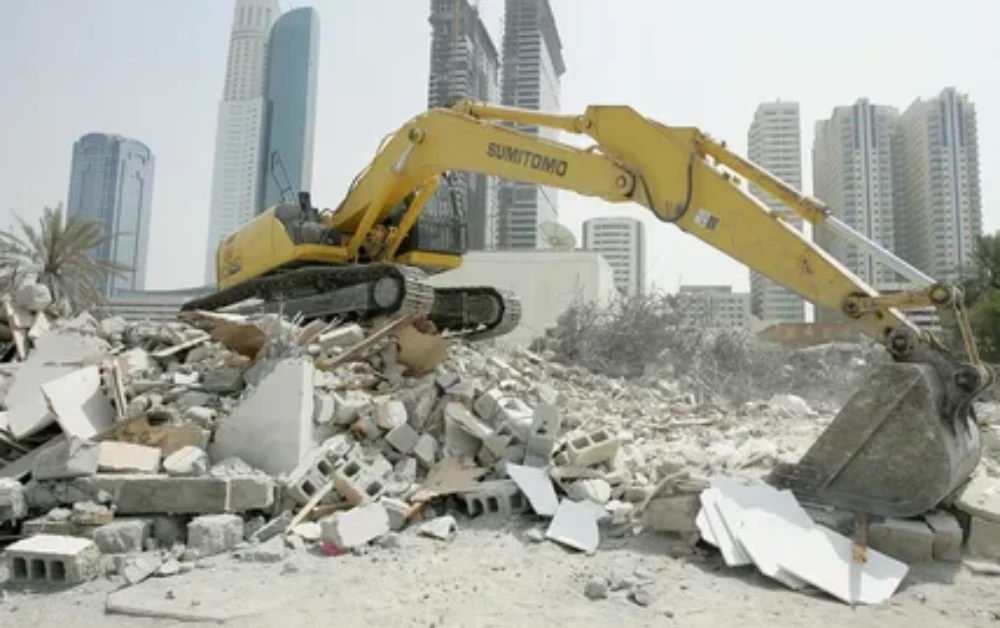
Managing construction and demolition debris is more complex than simply hauling it away. It requires safe handling, responsible disposal, and maximizing recycling opportunities. For those dealing with demolition waste management in Abu Dhabi, the real challenge lies in balancing environmental responsibility, cost-effectiveness, and compliance with regulations. With the right strategies, you can turn a messy, costly process into a streamlined, sustainable operation.
Understanding Demolition Waste
What It Includes
Demolition waste covers a wide range of materials such as concrete, wood, metals, bricks, glass, plastics, and hazardous substances like asbestos. Large-scale demolition projects produce significant volumes of debris, making it essential to plan ahead.
Why Proper Management Matters
Without effective systems in place, waste can quickly lead to safety hazards, environmental damage, and legal issues. Organized handling not only prevents these problems but also saves time and money.
1. Prioritize Waste Segregation
Sorting at the Source
Segregating waste during demolition is the foundation of effective management. Assign dedicated bins for metals, concrete, wood, and hazardous materials to ensure proper handling.
Benefits of Segregation
- Simplifies recycling processes
- Reduces landfill contributions
- Helps recover valuable materials
2. Focus on Recycling and Material Recovery
Turning Waste Into Value
Many demolition materials — such as steel, copper, and clean concrete — have resale value. Partnering with licensed recycling companies ensures these materials are processed responsibly.
Environmental and Economic Impact
Recycling reduces the demand for new raw materials, lowering environmental strain while offering potential cost recovery for your project.
3. Improve Transportation and Disposal Efficiency
Smart Logistics
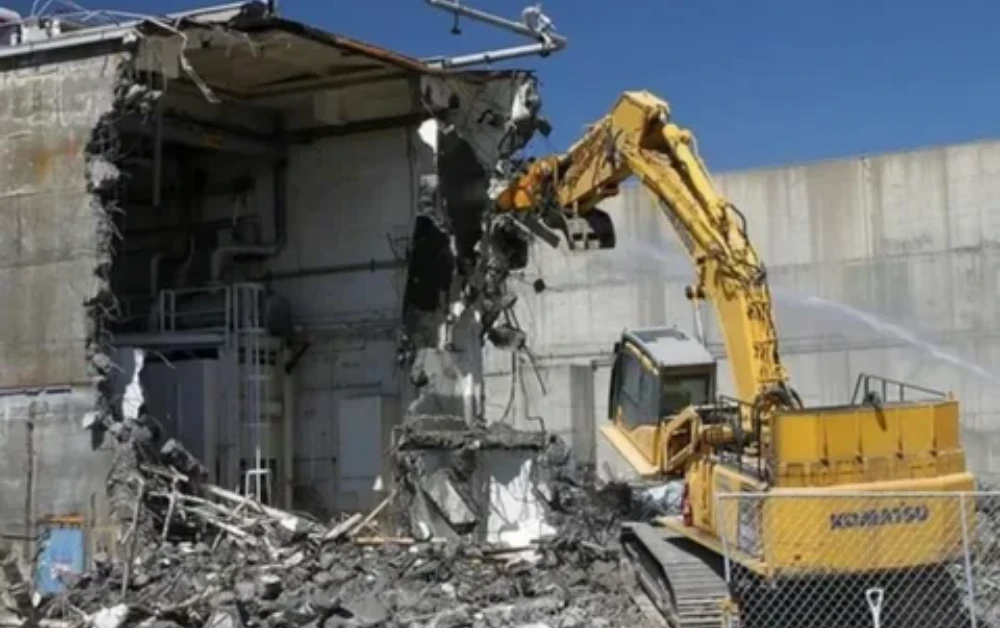
Using skip bins, covered trucks, and optimized collection schedules can reduce transportation costs.
Location Matters
Choosing disposal or recycling facilities close to your site helps minimize fuel use and hauling time.
4. Use Technology to Your Advantage
Digital Tracking
Waste tracking software helps monitor collection, transport, and recycling, ensuring accountability and compliance.
On-Site Processing
Mobile crushers and compactors can significantly reduce waste volume before transportation, saving space and costs.
5. Work With Reliable Professionals
Why Expertise Counts
Experienced waste management partners can navigate regulations, provide the right equipment, and handle materials safely.
Conclusion
Successful demolition waste management depends on planning, segregation, recycling, and the smart use of technology. These strategies help protect the environment, reduce costs, and keep projects running smoothly. For dependable and professional solutions, Al Merzaam Environmental & Transport LLC offers the expertise and resources to manage even the most challenging demolition waste projects. Taking action today ensures cleaner job sites and a more sustainable future