
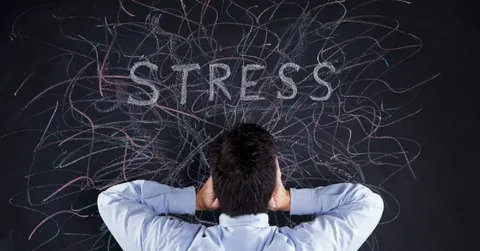
Stress has become an unwelcome companion in modern life. Every day, millions of people experience its effects without understanding the damage. The relationship between stress and mental health is complex and profound. Understanding this connection can help you protect your psychological wellbeing.
Understanding Daily Stress and Its Origins
Daily stress comes from various sources in our lives. Work deadlines, financial pressures, and relationship conflicts all contribute to our burden. Even small irritations like traffic jams can trigger stress responses. Your brain processes these events as potential threats to wellbeing.
The body responds to stress through ancient survival mechanisms. Hormones like cortisol and adrenaline flood your system instantly. These chemicals prepare you for fight or flight responses. However, modern stressors rarely require such dramatic physical reactions.
Chronic exposure to stress hormones changes your brain chemistry significantly. Neurotransmitters like serotonin and dopamine become imbalanced over time. This disruption affects mood regulation and emotional stability throughout your day. The cumulative effect can be devastating to mental health.
The Immediate Impact on Your Mental State
Stress affects your thoughts from the moment you wake up. Racing thoughts and worry often characterize the stressed mind daily. Concentration becomes difficult when cortisol levels remain consistently elevated. Decision-making abilities decline as mental fog sets in gradually.
Emotional regulation suffers tremendously under sustained stress conditions. Small frustrations feel overwhelming when your nervous system stays activated. Irritability and mood swings become more frequent and intense. You may find yourself overreacting to situations that normally wouldn't bother you.
Sleep quality deteriorates rapidly when stress dominates your daily experience. Your mind struggles to quiet down at bedtime each night. Insomnia creates a vicious cycle that amplifies stress levels. Poor sleep then reduces your capacity to handle challenges effectively.
Long-Term Consequences for Psychological Wellbeing
Extended periods of stress can trigger serious mental health conditions. Anxiety disorders often develop when stress becomes a constant companion. Panic attacks may emerge as your nervous system remains hypervigilant. Generalized anxiety disorder affects millions who face unrelenting daily pressures.
Depression frequently follows prolonged exposure to stressful circumstances and situations. The brain's reward system becomes less responsive to positive experiences. Anhedonia, or inability to feel pleasure, becomes a daily reality. Motivation disappears as exhaustion takes over your mental state completely.
Cognitive function declines measurably under chronic stress conditions and environments. Memory formation and recall become increasingly difficult over time. The hippocampus, responsible for memory, actually shrinks under persistent stress. Executive functions like planning and organizing suffer substantial impairment.
How Stress Disrupts Your Daily Functioning
Professional performance suffers when stress dominates your mental landscape daily. Productivity decreases as mental energy gets diverted to managing anxiety. Creative thinking becomes nearly impossible when your brain stays defensive. Career advancement stalls when you cannot perform at your best.
Personal relationships deteriorate under the weight of unmanaged stress levels. Communication becomes strained when irritability and fatigue dominate your interactions. Empathy and patience diminish as your emotional resources become depleted. Loved ones may feel rejected or neglected by your withdrawal.
Physical health problems compound the mental health challenges stress creates. Headaches, digestive issues, and muscle tension become daily occurrences. The mind-body connection means psychological stress manifests in physical symptoms. This creates additional worry that further amplifies your stress levels.
Recognizing Your Personal Stress Signals
Everyone experiences stress differently based on individual biology and psychology. Some people notice physical symptoms like rapid heartbeat or sweating. Others experience mental symptoms like intrusive thoughts or constant worrying. Learning your unique stress signature helps you respond more effectively.
Behavioral changes often signal that stress has reached problematic levels. Withdrawal from social activities indicates emotional resources are running low. Changes in appetite, either increased or decreased, reflect stress responses. Reliance on substances like alcohol or caffeine may increase gradually.
Emotional volatility serves as a clear warning sign of overwhelm. Crying easily or feeling emotionally numb both indicate stress overload. Feelings of helplessness or hopelessness suggest deeper mental health concerns. These symptoms deserve attention and appropriate intervention from qualified professionals.
Building Resilience Against Daily Stress
Developing healthy coping mechanisms protects your mental health from stress. Regular physical activity helps regulate stress hormones and improves mood. Exercise releases endorphins that counteract cortisol's negative effects naturally. Even brief walks can provide significant mental health benefits.
Mindfulness practices train your brain to respond differently to stressors. Meditation reduces activity in brain regions associated with anxiety. Breathing exercises activate your parasympathetic nervous system to promote calmness. These techniques become more effective with consistent daily practice.
Social connections provide crucial protection against stress's harmful mental effects. Talking with trusted friends or family helps process difficult emotions. Isolation amplifies stress while connection reduces its psychological impact. Professional support through Counselling Services offers structured guidance for managing overwhelm.
Creating Daily Habits for Mental Wellness
Morning routines set the tone for how you handle stress. Starting your day with intentional activities reduces anxiety throughout hours. Avoiding immediate screen time allows your brain to wake naturally. Gentle stretching or journaling helps center your mind before demands.
Nutrition significantly influences your brain's ability to manage stress effectively. Blood sugar fluctuations intensify mood swings and anxiety symptoms daily. Adequate protein and healthy fats support neurotransmitter production and balance. Limiting caffeine and sugar prevents additional stress on your system.
Evening rituals help your mind transition from activity to rest. Creating boundaries around work prevents stress from invading personal time. Digital detox before bed improves sleep quality and mental recovery. Consistency in sleep schedule supports emotional regulation the following day.
When to Seek Professional Support
Some stress situations exceed what self-help strategies can effectively address. Persistent symptoms lasting more than two weeks warrant professional evaluation. Thoughts of self-harm or hopelessness require immediate mental health intervention. Early treatment prevents stress from developing into serious psychological disorders.
Mental health professionals offer evidence-based treatments for stress-related conditions. Cognitive behavioral therapy helps reframe thought patterns that amplify stress. Medication may be necessary when brain chemistry has become severely imbalanced. Holistic approaches address both psychological and physical aspects of wellbeing.
Conclusion
Stress impacts mental health in profound ways that affect daily life. Understanding these effects empowers you to take protective action early. Small changes in daily habits create significant improvements over time. Your mental health deserves the same attention as physical health. Recognizing stress's impact represents the first step toward lasting wellbeing.