Security remains one of the foremost concerns for both public and private institutions in the modern world. As threats grow more sophisticated, organizations must adapt by adopting integrated solutions that enhance safety while maintaining operational efficiency. Airports, military installations, government sites, and critical infrastructures face unique challenges in balancing speed, access, and safety. A single failure in one area can compromise the entire perimeter, which is why access control points (ACPs) and monitoring systems are increasingly combined into unified frameworks. The objective is not only to deter risks but also to detect and respond immediately. Integration ensures stronger communication between all layers of security, preventing potential vulnerabilities from being overlooked.
At the center of this transformation is the recognition that traditional standalone security measures are no longer sufficient. A layered approach combining physical barriers with digital monitoring is now required to maintain effective protection. This creates a dynamic ecosystem in which every part of the perimeter is consistently observed, analyzed, and reinforced. The benefits of this integration extend beyond defense by improving traffic flow, reducing congestion, and strengthening trust among employees and visitors. In high-risk fields such as aviation and defense, such trust ensures that operations continue without disruption. Moving forward, integrating ACPs with advanced monitoring is not an option but a necessity for achieving sustainable security.
The Expanding Role of ACPs in Modern Protection
Access control points have traditionally served as the first barrier against unauthorized access. Their function extends beyond restricting entry, as they also regulate the movement of authorized individuals in a safe and orderly manner. As threats have become more complex, ACPs have evolved from basic checkpoints into advanced systems incorporating diverse technologies. These include robust physical barriers, digital verification processes, and integrated surveillance tools working in unison. Through this multi-layered design, ACPs maximize deterrence and detection capabilities. This evolution demonstrates the need for ongoing innovation to sustain effective protection.
Modern ACPs are now integral elements of interconnected security frameworks. Sensors, surveillance equipment, and automated systems provide real-time intelligence to operators, enabling quicker and more informed decisions. Instead of responding only after an incident occurs, operators can anticipate risks and mitigate them proactively. This forward-looking approach enhances security across diverse environments, including airports and industrial zones. Integration also supports operational efficiency by ensuring that access remains smooth for legitimate users. Ultimately, ACPs are becoming more intelligent, responsive, and adaptable to the rapidly changing security landscape.
Advanced Barriers and Their Strategic Functions
Physical barriers continue to play a fundamental role in ACP infrastructure by serving as both deterrents and reliable protective mechanisms. Their design has advanced over time to combine strength with efficiency. An example is bi folding speed gates, which provide durability while allowing rapid movement for secure passage. These gates are particularly valuable in high-traffic environments where speed is as vital as safety. They illustrate how modern engineering can simultaneously meet operational and protective objectives. When well designed, barriers can function seamlessly within daily operations without compromising security.
In addition to gates, barriers are tailored to specific purposes depending on the environment. Some are developed for temporary use during heightened security conditions, while others are permanent fixtures protecting critical facilities. Their true strength lies not only in restricting unauthorized access but also in integrating with monitoring systems. For example, barriers with embedded sensors can issue alerts when tampering occurs, providing an added safeguard. This combination of physical strength and technological intelligence ensures a holistic defense strategy. The continued advancement of barriers highlights the necessity of adaptability in countering a wide variety of threats.
Enhancing Protection Through Comprehensive Perimeter Security
Perimeter protection remains one of the most vulnerable aspects of facility defense, requiring constant attention. Modern approaches go far beyond fences or walls by employing multi-layered systems that incorporate detection devices, smart cameras, and automated alarms. Within this structure, perimeter security products are indispensable in delaying and discouraging intrusions. They act as obstacles that slow down threats while giving security teams valuable time to intervene. When integrated with ACP strategies, these products deliver stronger, more resilient defense mechanisms. Such multi-layered protection is now recognized internationally as the standard for safeguarding sensitive areas.
The true value of comprehensive perimeter security lies in its adaptability to specific sites. Airports, critical infrastructure, and technology hubs each require solutions tailored to their unique risks. By integrating physical barriers with surveillance tools and access management systems, vulnerabilities are significantly reduced. Furthermore, intelligent monitoring can identify patterns and anticipate risks before they fully emerge. This predictive function reduces the likelihood of breaches and enhances overall resilience. When coordinated with ACPs, perimeter protection forms a powerful and reliable shield for assets, operations, and people.
Monitoring and Technology Integration
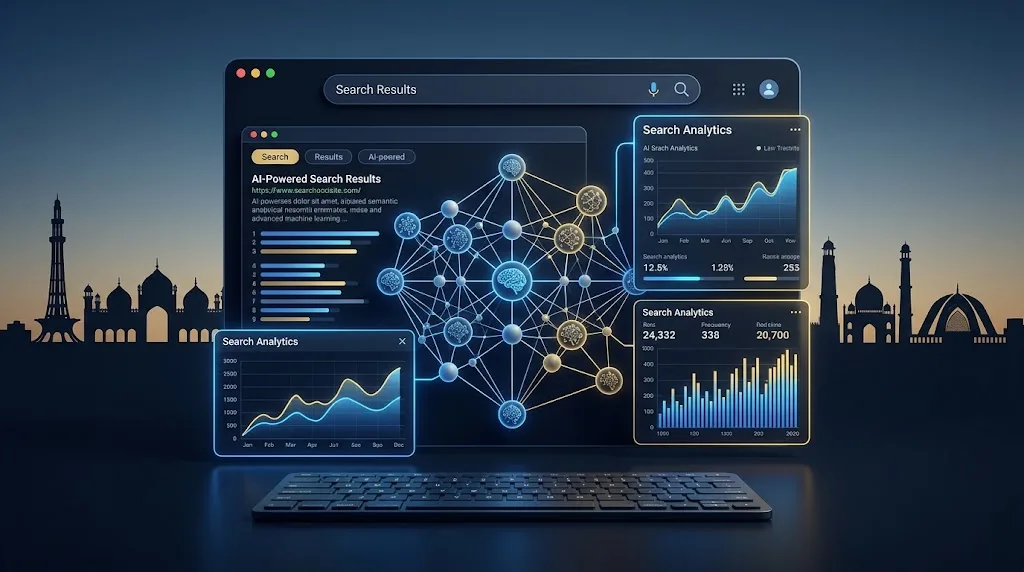
The integration of technology has redefined how security systems operate, making monitoring more efficient and intelligent. Rather than relying solely on human observation, automated systems now process and analyze vast amounts of data in real time. Cameras, sensors, and biometric systems combine to provide complete situational awareness. Such systems detect anomalies that might be overlooked by human operators, ensuring that every potential threat is recognized. By consolidating monitoring in centralized control centers, organizations maintain continuous oversight. This model strengthens both the detection and response capabilities of modern facilities.
Beyond threat detection, integration improves overall incident management efficiency. Automated alerts and structured response protocols reduce the risk of human error while accelerating decision-making. For instance, barriers and gates can automatically engage when unauthorized activity is detected, preventing further escalation. Predictive analytics adds another dimension by identifying suspicious patterns before they lead to incidents. This capability allows organizations to remain proactive rather than reactive. In essence, technology integration has transformed monitoring into a predictive and preventative system.
Security Beyond Facilities and into Public Infrastructure
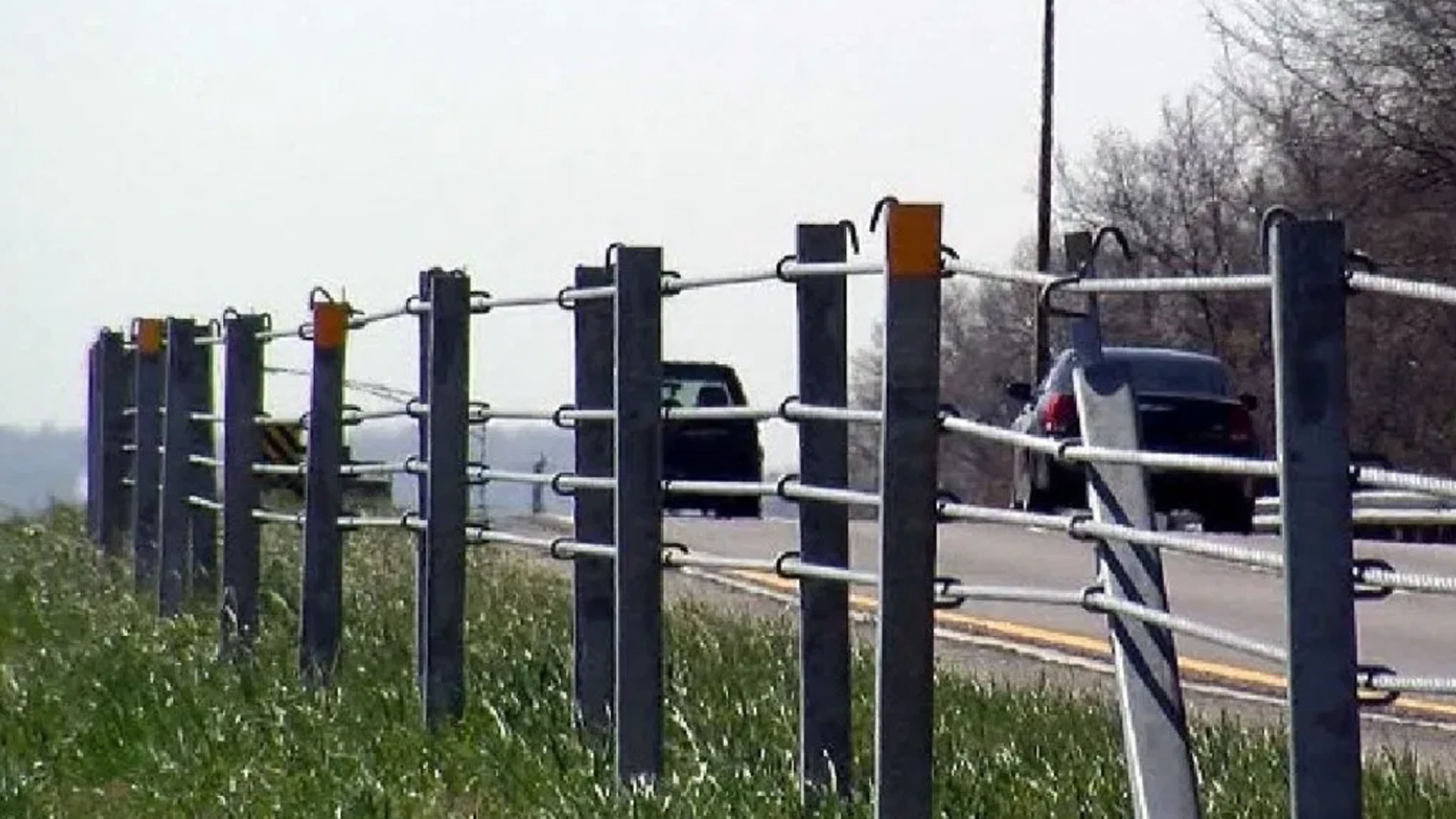
Although ACPs are closely associated with secure facilities, their concepts extend to broader public infrastructure. Highways, bridges, and transit systems also require measures to protect lives and assets. One notable example is the use of cable barriers on highways, which prevent vehicles from entering opposing lanes. While these barriers are designed primarily for safety, they embody the same principles of layered defense found in ACP systems. Just as ACPs regulate access in secure facilities, these barriers manage risks in open public environments. Together, they demonstrate how security principles apply across diverse sectors.
The application of integrated security concepts to public infrastructure enhances safety in daily life. By combining monitoring systems with physical safeguards, authorities are able to manage incidents rapidly and effectively. For example, smart highways equipped with cameras and sensors can detect accidents, intrusions, or other risks in real time. These systems mirror the advanced monitoring techniques employed in high-security facilities, reflecting the universal value of integration. The outcome is safer mobility, fewer accidents, and greater resilience against disruptions. By extending ACP principles to public infrastructure, society benefits from stronger overall protection.
Building Confidence Through Integrated Security
The effectiveness of any security system depends largely on the trust it instills in those it protects. Employees, visitors, and communities must feel that security measures are both effective and considerate of daily operations. Integrated ACPs and monitoring systems achieve this balance by combining visible protective measures with efficient processes. The presence of advanced barriers and checkpoints reassures stakeholders that safety is prioritized. At the same time, streamlined monitoring minimizes disruptions to normal activity. This equilibrium is essential for building confidence and sustaining long-term protection.
Trust is equally important for decision-makers and operators who depend on reliable systems for effective management. Integration ensures the seamless flow of information, reducing blind spots and delays. Operators gain greater assurance in their ability to manage incidents, while leaders see measurable improvements in performance and return on investment. This reliability encourages continued commitment to improvement and innovation. In sectors where lapses in security can have significant consequences, trust becomes an irreplaceable asset. Integrated ACPs and monitoring systems, therefore not only secure facilities but also foster confidence among all stakeholders.
Overview of Advancing Security Through Integration
The integration of ACPs with advanced monitoring systems represents a decisive change in how organizations safeguard assets and operations. By merging physical barriers with intelligent technologies, facilities establish a layered defense that is both resilient and efficient. This approach not only deters risks but also ensures real-time detection and swift response. At the same time, it supports smooth operations, minimizing disruption while maximizing safety. Such synergy between physical and digital systems is vital in addressing the challenges of modern threats. The outcome is a security model designed for adaptability and endurance.
Looking ahead, the importance of integrated security will continue to grow. Airports, critical infrastructures, and public networks all stand to benefit from the combined strength of ACPs and monitoring systems. By adopting this layered and proactive approach, organizations protect both their assets and their reputations. Integration reflects more than a technological upgrade; it embodies a cultural shift toward continuous vigilance. As risks evolve, only those who commit to integrated systems will remain fully prepared. This future-ready approach to security ensures resilience in an unpredictable world.