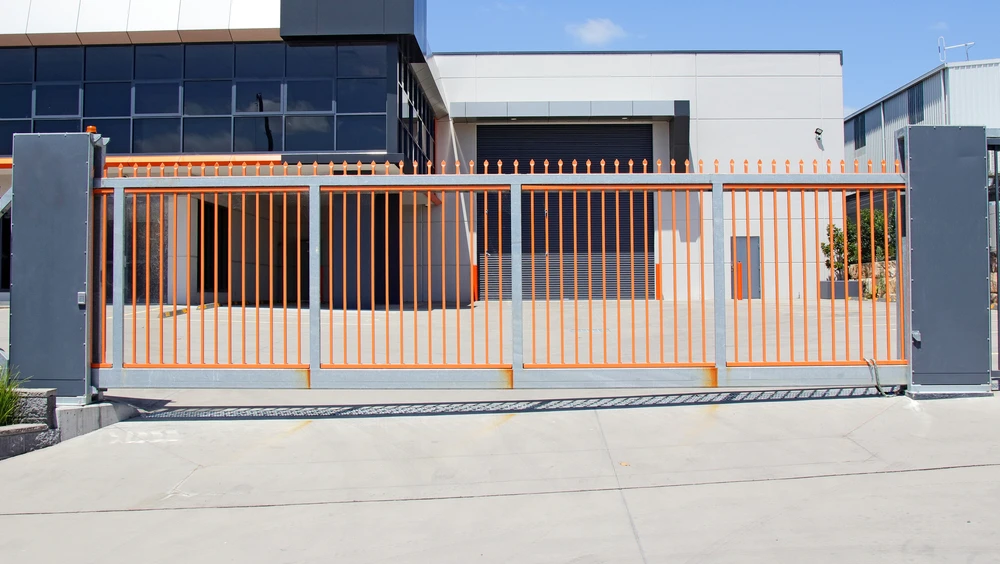
Have you ever driven past a large warehouse and noticed a sleek, modern sliding gate protecting the premises? Do you wonder how these robust industrial security gates can both secure a facility and enhance daily operations? Are you curious whether commercial sliding gates could be the key to maintaining a safe and productive industrial site?
By the time you’ve finished reading, you’ll have a thorough understanding of modern industrial gate design, including the best materials, regulatory considerations, and common pitfalls to avoid. We’ll also walk through some real-life case studies from Australian facilities that have successfully integrated industrial sliding gates. Ready to learn how to make the most of these powerful, space-saving security solutions? Let’s dive in!
Introduction to Industrial Sliding Gates
Industrial sliding gates are a mainstay in commercial, logistics, and manufacturing environments throughout Australia. Unlike swing gates that rotate on a hinge, sliding commercial gates move horizontally along a track or cantilever system. This design can be a real game-changer when it comes to optimising space, especially in facilities with limited room to manoeuvre.
Overview of Industrial Sliding Gate Design
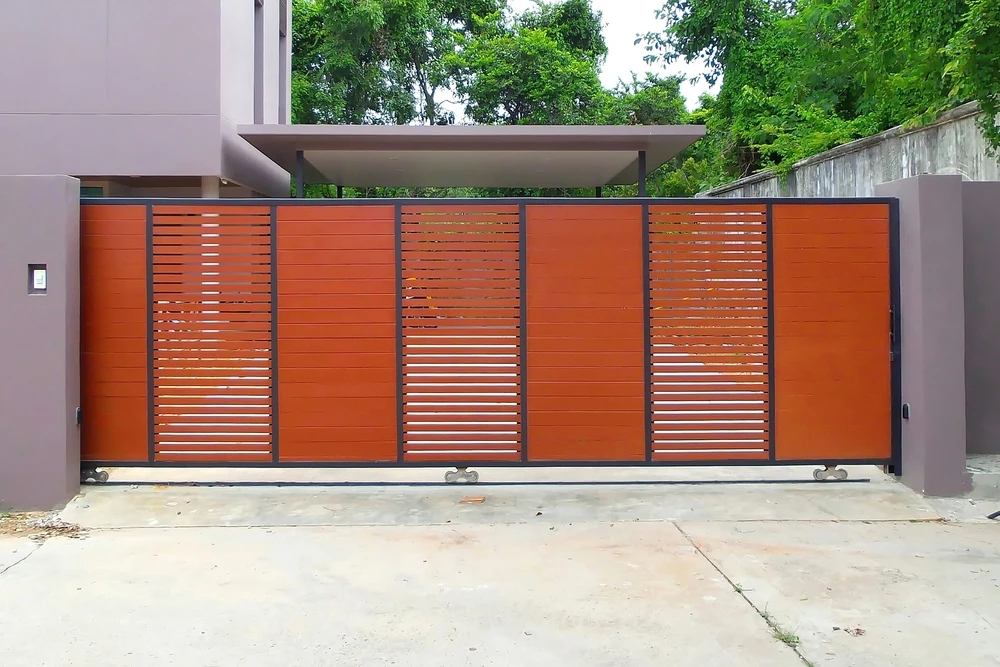
Industrial sliding gates design typically involves a sturdy frame, a dedicated guiding track (or trackless cantilever mechanism), and automated or manual operating components. Most modern sliding gate design options use high-tensile steel or durable aluminium to withstand Australia’s harsh climates, from the sizzling heat of the outback to the relentless coastal rains. Thanks to advanced automation, these gates can be equipped with cutting-edge sensors and control systems for seamless operation.
Why Are Commercial Security Gate Systems Essential in Industrial Settings?
Commercial security gate systems are absolutely key to controlling access and protecting valuable assets, such as materials, equipment, and data. When businesses rely on a steady inflow and outflow of vehicles, any bottleneck at the entrance can create major delays. A reliable industrial sliding gate offers a swift, safe way to manage these ongoing movements without compromising security. With the right features in place, like cameras and alarms, you can keep track of who enters your premises at any given time.
Benefits of Modern Sliding Gate Design for Australian Businesses
Australian businesses appreciate the efficiency and reliability that a well-installed industrial security gate delivers. Sliding gates help optimise driveway space, reduce the impact of strong winds, and often require less maintenance than older alternatives. Plus, modern industrial gate design offers a professional look that can enhance the facility’s overall appearance. From improved traffic flow to bolstered perimeter security, the advantages of these versatile gates are hard to ignore.
Key Factors to Consider Before Installation
Choosing the right industrial sliding gate for your site isn’t always straightforward. You’ll want to pay close attention to your facility’s layout, security needs, and any nationwide or local regulations. By taking a thorough look at these factors in advance, you’ll make decisions that help ensure your commercial sliding gate delivers on both performance and safety.
Site Assessment: Determining Space and Operational Requirements
Before making any purchase, it’s vital to examine your site conditions carefully. Consider how vehicles and pedestrians move around your premises. Measure the exact space you have available for the gate’s tracking system, whether that’s a cantilever setup or a track-based design. Think about potential obstructions like uneven ground or overhead structures. By comparing these conditions against various industrial security gate options, you can narrow down which gate format will serve you best.
How Do You Choose the Right Commercial Sliding Gate for Your Facility?
The ideal sliding commercial gate for one site may not be ideal for another. Some facilities need a gate that can accommodate both small delivery vans and large freight trucks, while others prioritise fast entry for regular staff vehicles. Look into gate speed, load capacity, and efficiency over prolonged use. If you’re aiming to improve perimeter security against intruders, you may want a gate safe security system with electrified fences, motion sensors, or integrated alarm triggers.
Evaluating Security Needs and Gate Safe Security Regulations
Security is non-negotiable for industrial settings. Australian standards and local council rules often guide the necessary height, materials, and automation features for commercial security gate systems. Furthermore, installing a taller or reinforced gate may help deter thieves. However, you’ll also need to confirm compliance with any gate safe security regulations that require safety measures like emergency exits or fail-safe automation. Checking these requirements in advance can prevent headaches down the road.
Types of Industrial Sliding Gates
When people picture a sliding gate, they may think of a simple, track-based system. But in reality, there are various styles, each with pros and cons. Understanding them ensures you select the most suitable design for your business.
Sliding Commercial Gates vs. Traditional Swing Gates
Traditional swing gates rotate on hinges and require a clear area for opening. This can be a problem if your facility is tight on space or if you handle a large volume of vehicle traffic. On the other hand, sliding commercial gates shift sideways along a rail or cantilever system, making them ideal for sites where space is scarce. Sliding gates also tend to be more stable in high-wind conditions, as they don’t have large surfaces swinging open.
New Sliding Gate Design vs. Conventional Designs: Pros and Cons
New sliding gate designs often incorporate better automation and advanced materials like corrosion-resistant steel. They may also include self-lubricating tracks or energy-efficient motors. Conventional sliding gates, though simpler, can be cost-effective and straightforward to install. One potential downside of older designs might be less-robust security features or the need for frequent maintenance. By comparing modern sliding gate design with older models, you can weigh upfront costs against ease of use and maintenance.
Conclusion
Ultimately, industrial sliding gates offer Australian businesses a dependable, secure way to manage high-volume traffic and safeguard valuable assets. Throughout this post, we’ve explored the differences between sliding and swing gates, reviewed key factors to consider before choosing your commercial security gate systems, and delved into essential regulatory requirements. We’ve also touched on installation steps, best practices for maintenance, and how to calculate a gate’s cost-effectiveness.