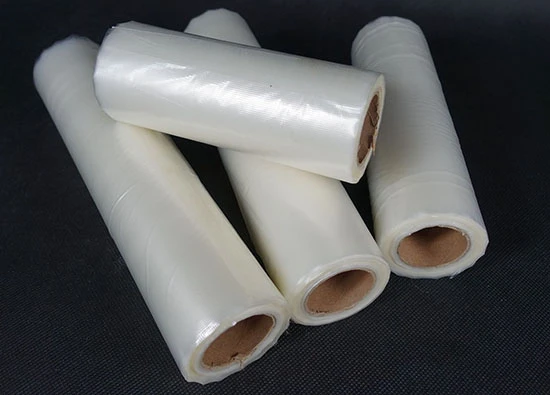
Proper storage is crucial to prevent premature degradation of water soluble films. A leading provider of high-quality films, Polyva, recommends storing the films in a controlled environment that minimizes exposure to moisture, extreme temperatures, and direct sunlight. Excessive humidity can cause films to soften or partially dissolve, while high temperatures may lead to warping or reduced tensile strength. Maintaining an optimal storage environment ensures that the films remain stable and retain their intended properties until they are ready for use.
Temperature and Humidity Control
Water soluble films are sensitive to both temperature and humidity, which can directly affect their performance. Ideal storage conditions typically involve temperatures between 15°C and 25°C, along with relative humidity levels below 50 percent. Storage areas should be equipped with climate control systems to maintain consistent conditions, especially in regions with high ambient humidity or fluctuating temperatures.
Excessive moisture can cause films to stick together, tear easily, or lose their solubility characteristics. Conversely, overly dry conditions may make the films brittle and prone to cracking. Using desiccants or moisture-absorbing materials in storage containers can help maintain the appropriate humidity levels, protecting the film from environmental damage. Regular monitoring of temperature and humidity is recommended to ensure long-term stability and prevent losses due to compromised product quality.
Handling Practices
Handling water soluble films requires care to prevent physical damage and contamination. Workers should wear clean gloves when touching the films to avoid transferring oils, dirt, or moisture. Films should be moved carefully and not bent, folded, or subjected to excessive tension, as this can compromise their strength and lead to tears. Pallets, racks, or other storage supports should be used to keep rolls or sheets off the ground, reducing the risk of accidental water exposure.
Packaging should remain intact until the films are ready for use. Opening multiple packages simultaneously or exposing large areas of film to humid air can increase the risk of damage. Additionally, films should be transported in sealed containers or moisture-resistant packaging to protect them during transit. Following these handling practices ensures that water soluble films maintain their performance and safety characteristics for end applications.
Shelf Life Considerations
The shelf life of water soluble films depends on the quality of the material, storage conditions, and handling practices. Most high-quality films, when stored properly, can retain their properties for 12 to 24 months. However, exposure to heat, moisture, or sunlight can significantly reduce shelf life. Manufacturers often provide expiration dates or recommended storage periods, which should be adhered to for optimal performance.
Inventory management also plays a role in ensuring that older stock is used first. Implementing a first-in, first-out (FIFO) system helps prevent films from remaining in storage too long, reducing the risk of degradation. Regular inspection of stored films for signs of moisture, discoloration, or physical damage can help identify compromised batches before they reach production or consumer use.
Safety Precautions
Although water soluble films are generally safe to handle, certain precautions are recommended. Avoid storing films near strong acids, bases, or solvents that could react with the material. Keep the storage area clean and free from debris that might puncture or contaminate the film. In industrial or laboratory environments, ensure that employees are trained on proper handling and emergency procedures in case of accidental exposure to water or chemicals.
By adhering to safety guidelines, manufacturers and users can reduce the risk of accidents, product loss, and operational delays. Proper storage and handling not only protect the films but also maintain the safety and efficiency of the workplace.
Conclusion
Water soluble films offer numerous benefits across industries due to their eco-friendly and functional properties. However, their performance is highly dependent on proper storage and handling. Maintaining controlled temperature and humidity, handling the films with care, monitoring shelf life, and following safety protocols are essential to preserve their integrity. Brands like Polyva provide high-quality water soluble films and emphasize best practices for storage and handling to ensure reliability and safety. By following these guidelines, industries can maximize the efficiency, durability, and eco-friendly advantages of water soluble films in their applications.