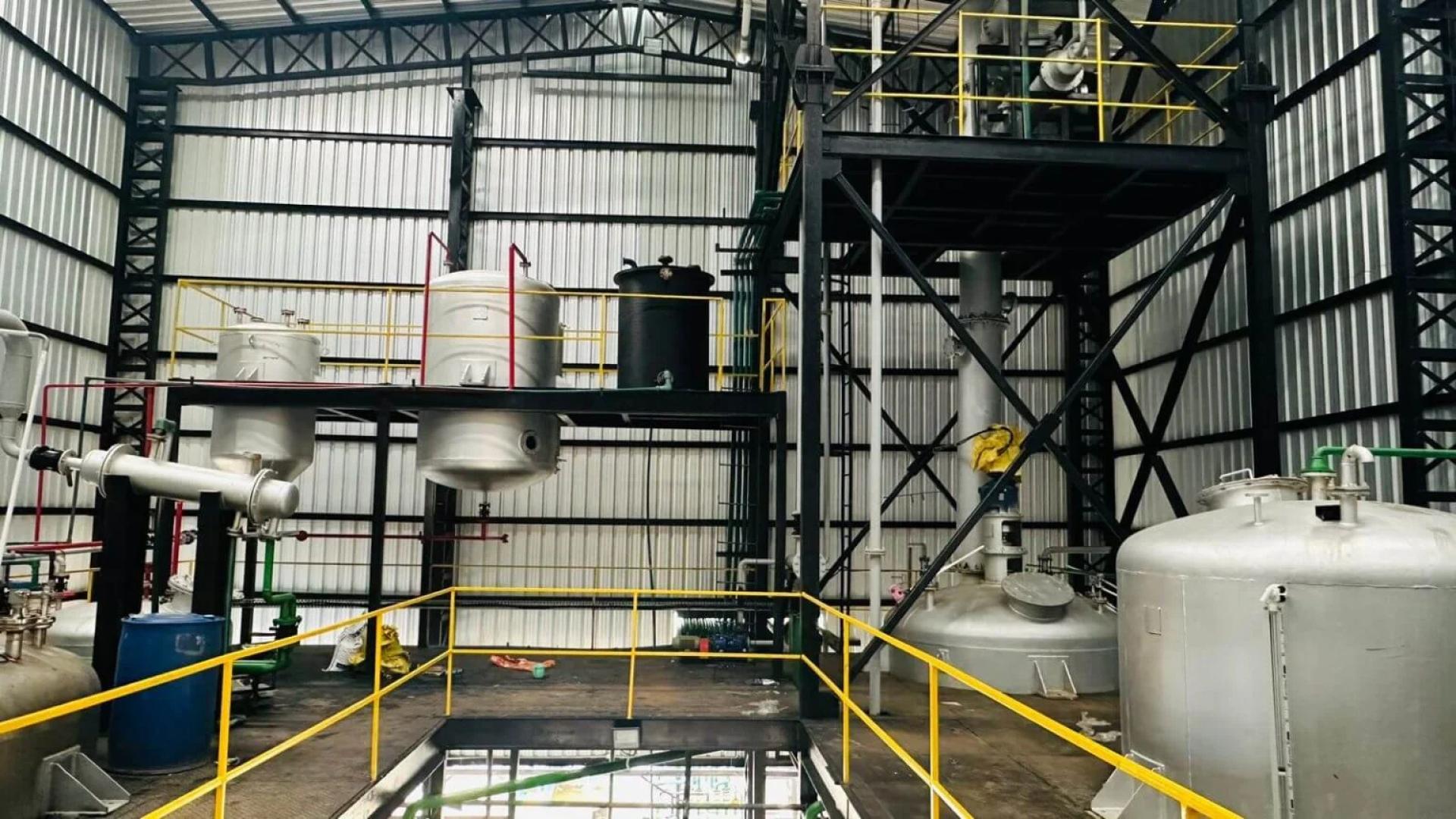
India is making steady progress toward reducing its dependence on imported diesel. With rising energy demands and high petroleum import costs, there is a growing need for domestic renewable fuel production. One promising solution is the biodiesel plant, which produces a cleaner, cost-effective fuel alternative compatible with existing diesel engines.
Biodiesel, made through the transesterification of vegetable oils, acid oils, used cooking oils, and animal fats, offers significant environmental benefits by reducing carbon emissions while supporting local economies.
Cost of Setting Up a Biodiesel Plant in India
Establishing a biodiesel plant in India can require investments ranging from INR 20 lakh to INR 20 crore, depending on production capacity and technology. Under favorable market conditions, net profits of up to 15% are possible.
The growing market potential is evident — demand for biodiesel is projected to reach 0.17 million tonnes by 2030, with an expected 8.60% CAGR.
Current Biodiesel Production in India
India’s rich agricultural base provides a steady supply of feedstocks such as crop residues, agro-waste, and non-edible oil seeds. The industry has already made measurable progress:
- 185 million liters of biodiesel produced in 2022
- An expected 200 million liters in 2023
- Production capacity reaching 600 million liters annually
These figures highlight biodiesel’s growing role in India’s energy mix.
Factors Affecting Biodiesel Production Costs
The total cost of biodiesel production is shaped by multiple elements:
- Raw material expenses – Feedstocks like vegetable oils and used cooking oil account for a major share of costs.
- Capital investment – Plant construction, equipment, and setup.
- Operating costs – Labor, energy, utilities, and logistics.
- Taxes – An 18% GST applies to biodiesel plants in India.
Currently, biodiesel prices can be 70% to 130% higher than fossil diesel at the wholesale level, largely due to feedstock price fluctuations.
Government Support for Biodiesel Production
The Government of India has introduced several measures to encourage biodiesel production, including:
- Incentives and subsidies to promote investment.
- Policy provisions for financial assistance — for example, ₹3 lakh per kilolitre, up to a maximum of ₹30 crore, for eligible projects.
- Subsidy rates of up to 70% for qualifying plants.
- Additional tax relief and transport support.
These initiatives aim to boost domestic biodiesel capacity and promote sustainable fuel adoption.
The Future of Biodiesel Plants in India
The government’s 5% biodiesel blending target by 2030 signals a strong commitment to renewable fuels. With growing petroleum demand worldwide and the need for cleaner energy, biodiesel is positioned as a key contributor to India’s future energy security.
Beyond environmental benefits, biodiesel production supports rural employment, strengthens local economies, and reduces import dependency.
Conclusion
A biodiesel plant in India represents both an economic opportunity and an environmental responsibility. By leveraging available feedstocks, optimizing production, and taking advantage of government incentives, entrepreneurs can play a pivotal role in India’s green energy transition.
Advance Bio continues to support the sector with technology, expertise, and tailored solutions to help businesses successfully establish and operate biodiesel production units.