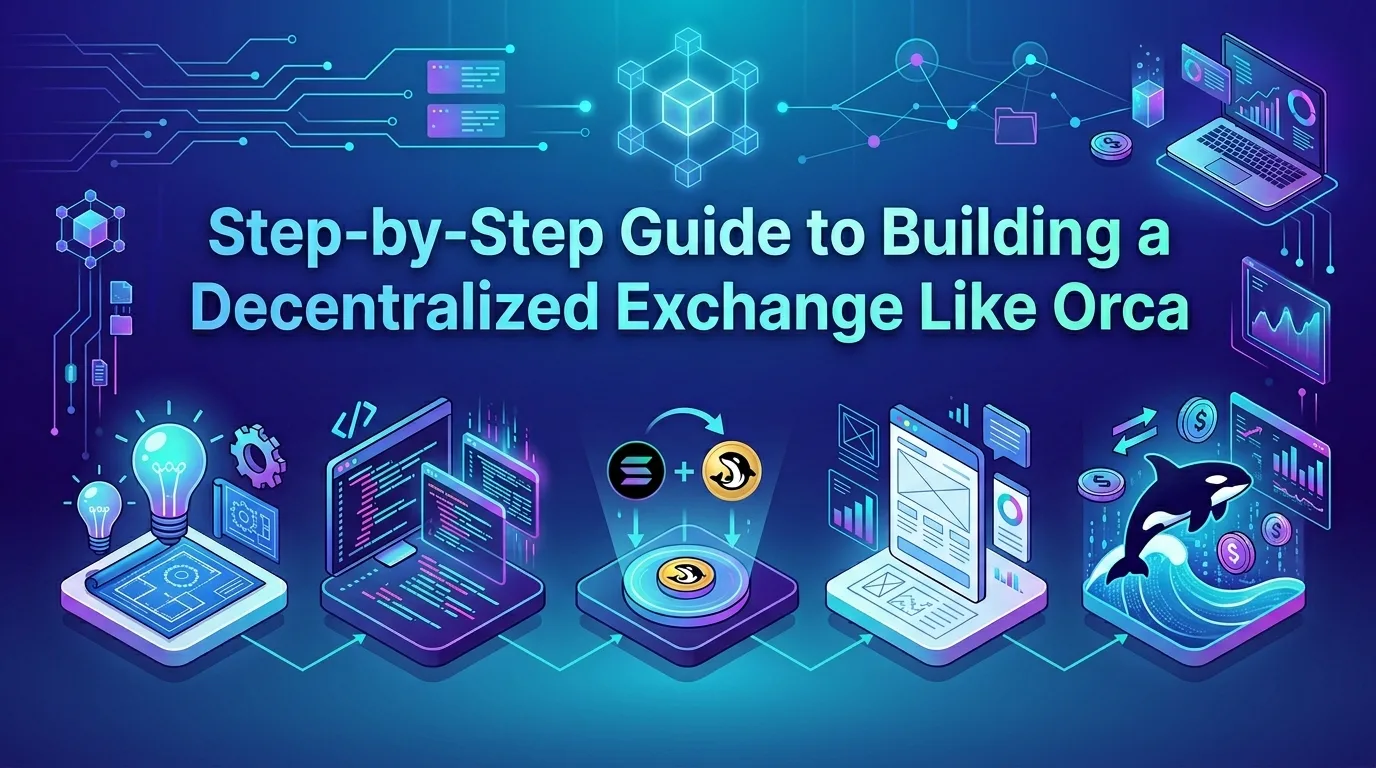
Decentralized finance continues to reshape the digital asset ecosystem by offering transparent, permissionless, and efficient trading solutions for crypto users across the globe. Among the leading decentralized exchanges on Solana, Orca has earned recognition for its speed, intuitive interface, low transaction costs, and simplified liquidity management features. Businesses planning to enter the DeFi sector are now exploring how to build a decentralized exchange with similar performance, usability, and scalability. Creating a decentralized exchange involves far more than launching a token swap platform. It requires strategic planning, blockchain integration, liquidity architecture, smart contract security, user-focused design, and long-term governance mechanisms. A reliable Decentralized Exchange Development Company can help businesses overcome technical complexities while accelerating product deployment with secure and scalable infrastructure. This guide explains the complete development process involved in building a decentralized exchange like Orca, including architecture planning, blockchain selection, smart contract development, liquidity integration, security practices, and post-launch growth strategies.
Understanding the Core Functionality of Orca
Before starting development, businesses should understand what makes Orca stand out in the decentralized finance market. Orca is built on the Solana blockchain and uses automated market maker technology to enable token swaps without relying on centralized intermediaries. Its design focuses on usability, speed, and accessibility for both beginner and advanced crypto users.
- Automated Market Maker Infrastructure
Orca uses liquidity pools instead of traditional order books, allowing users to trade assets directly from smart contract-managed pools. This model reduces operational complexity while enabling continuous token trading with lower latency. Developers building a similar platform must create efficient AMM logic that supports smooth swaps, accurate pricing, and optimized liquidity utilization. - Low Transaction Fees and High-Speed Transactions
One of the reasons behind Orca’s popularity is the efficiency of the Solana blockchain. Users benefit from fast transaction processing and minimal gas fees, making trading more practical for frequent transactions. Businesses aiming to build a competitive exchange should focus on selecting blockchain infrastructure capable of supporting high throughput and cost-effective operations. - Simplified User Interface Design
Orca prioritizes ease of use through clean navigation, wallet integration, and intuitive trading flows. Many decentralized exchanges fail because of complicated interfaces that discourage mainstream adoption. A professionally designed exchange should simplify token swaps, liquidity contributions, staking, and portfolio tracking without sacrificing functionality. - Yield Farming and Liquidity Incentives
Liquidity providers on Orca earn rewards through transaction fees and farming incentives. This approach encourages users to lock assets into liquidity pools, improving platform liquidity and trading efficiency. Development teams should include flexible reward systems that support sustainable ecosystem growth and long-term user engagement.
Defining the Business Model and Project Scope
Every successful decentralized exchange begins with a clear business strategy. Businesses entering the DeFi sector must identify their target audience, revenue streams, and platform objectives before starting technical development. This stage helps avoid feature overload while ensuring the exchange aligns with market demand.
- Identifying the Target Market
Some decentralized exchanges focus on retail traders, while others cater to institutional investors or niche token communities. Understanding the intended user base helps determine trading features, liquidity models, governance structures, and marketing strategies. A Decentralized Exchange Development Company often conducts market analysis to identify gaps and opportunities before development begins. - Selecting Revenue Generation Models
Decentralized exchanges typically generate revenue through swap fees, liquidity provider commissions, staking programs, premium services, and token utilities. Businesses should define sustainable monetization strategies without negatively affecting user experience or trading activity. - Planning Core and Advanced Features
The development roadmap should separate essential functionalities from advanced features. Core features generally include wallet integration, token swaps, liquidity pools, analytics dashboards, and governance modules. Advanced capabilities may involve limit orders, NFT integration, yield aggregation, or cross-chain functionality. - Creating a Long-Term Growth Strategy
A decentralized exchange should be developed with scalability in mind. Businesses must prepare for ecosystem expansion, governance evolution, token listing growth, and increasing transaction volumes. Strategic planning during the early stages reduces technical limitations in future upgrades.
Choosing the Right Blockchain Network
The blockchain network serves as the foundation of a decentralized exchange. Choosing the appropriate blockchain impacts scalability, transaction speed, interoperability, gas fees, and overall user experience. Orca relies on Solana because of its high-speed architecture and low operational costs.
- Evaluating Blockchain Performance
Developers should compare transaction throughput, block finality, scalability, and ecosystem maturity before selecting a blockchain. Solana, Ethereum, Binance Smart Chain, and Avalanche each offer unique advantages depending on the exchange’s objectives and expected trading volume. - Assessing Smart Contract Compatibility
The chosen blockchain must support secure and flexible smart contract deployment. Solana uses Rust-based development, while Ethereum-based platforms commonly use Solidity. Development teams should select frameworks that align with their technical expertise and project requirements. - Considering Ecosystem and Community Support
Strong blockchain ecosystems provide access to wallets, developer tools, liquidity providers, analytics services, and active user communities. These factors contribute to faster adoption and easier third-party integrations during exchange development. - Analyzing Transaction Costs
High gas fees can discourage users from trading on decentralized platforms. Selecting a network with affordable transaction costs helps improve accessibility, increase trading frequency, and support smaller retail transactions.
Designing the Decentralized Exchange Architecture
A well-structured architecture determines the reliability, scalability, and security of the exchange. Developers should design both frontend and backend components carefully to ensure smooth interaction between smart contracts, wallets, and liquidity pools.
- Frontend Development and User Experience
The frontend should offer responsive design, real-time market data, wallet connectivity, and easy navigation across trading functions. Modern frameworks such as React and Next.js are commonly used to build high-performance decentralized exchange interfaces. - Backend Infrastructure Planning
Although decentralized exchanges minimize centralized dependencies, backend services are still required for analytics, APIs, indexing, and transaction monitoring. Reliable backend architecture ensures stable data synchronization and platform performance. - Wallet Integration Systems
Wallet connectivity is essential for decentralized exchanges because users maintain custody of their assets. Integration with wallets such as Phantom, MetaMask, and Trust Wallet improves accessibility while supporting secure transactions. - Liquidity Pool Management Framework
The liquidity infrastructure should support pool creation, asset deposits, withdrawal mechanisms, and dynamic fee calculations. Efficient pool management directly impacts trading efficiency and platform sustainability.
Developing Smart Contracts for the Exchange
Smart contracts automate trading functions and enforce decentralized exchange operations without intermediary control. Since these contracts manage user funds and liquidity pools, precision and security are critical throughout development.
- Building Automated Market Maker Contracts
AMM smart contracts manage liquidity pools and execute token swaps based on predefined pricing formulas. Developers must optimize these contracts to reduce transaction failures, improve execution speed, and maintain accurate asset pricing. - Creating Liquidity Provider Mechanisms
Liquidity providers contribute tokens to pools and receive rewards in return. Smart contracts should track deposits, calculate rewards, distribute fees, and manage withdrawal requests efficiently. - Implementing Governance Functionality
Governance systems allow token holders to vote on protocol updates, fee structures, and ecosystem decisions. Decentralized governance increases transparency and strengthens community participation. - Testing and Auditing Smart Contracts
Security vulnerabilities in smart contracts can result in major financial losses. Comprehensive testing, code reviews, and third-party security audits help identify weaknesses before launch. A professional Decentralized Exchange Development Company typically performs multiple audit stages to ensure protocol integrity.
Integrating Liquidity and Trading Features
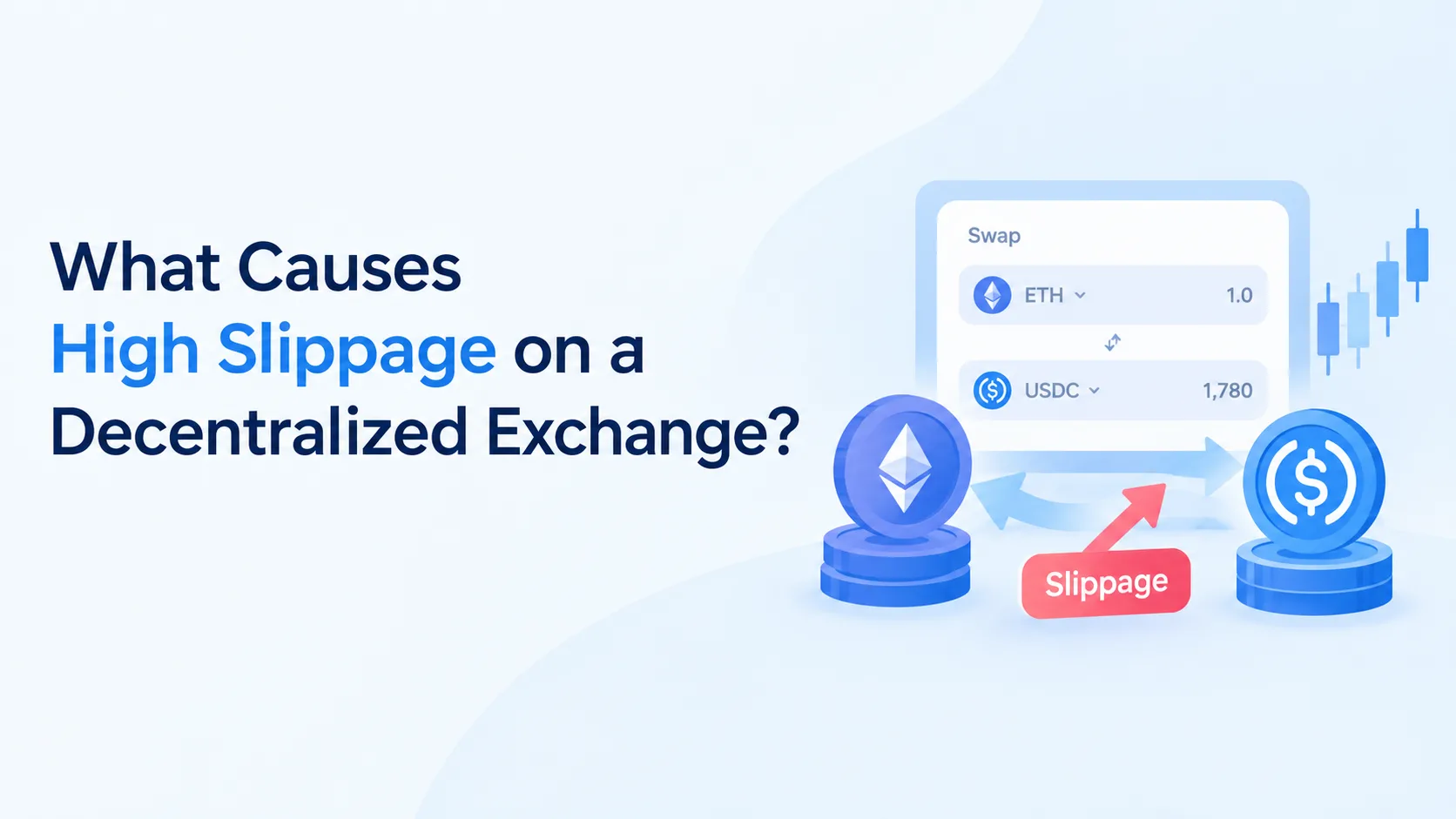
Liquidity is one of the most important factors influencing decentralized exchange success. Without sufficient liquidity, users may experience high slippage and poor trading experiences. Effective liquidity integration ensures smooth asset swaps and stable pricing.
- Establishing Initial Liquidity Pools
During launch, businesses should seed liquidity pools with high-demand trading pairs to encourage early adoption. Popular pairs generally include stablecoins, governance tokens, and ecosystem assets. - Adding Yield Farming Programs
Yield farming incentives attract liquidity providers by offering additional rewards beyond transaction fees. Structured reward programs encourage long-term participation while strengthening liquidity depth. - Enabling Multi-Token Trading Support
A decentralized exchange should support multiple token standards and trading pairs to expand market reach. Broad asset availability increases user retention and creates stronger trading ecosystems. - Optimizing Slippage and Pricing Algorithms
Efficient pricing algorithms reduce volatility during token swaps and improve user confidence. Developers should implement dynamic liquidity balancing mechanisms to maintain stable trading conditions.
Prioritizing Security and Compliance Measures
Security remains one of the most important considerations in decentralized exchange development. Since users directly interact with smart contracts and liquidity pools, vulnerabilities can damage trust and lead to severe financial losses.
- Conducting Penetration Testing
Security teams should perform penetration testing to identify weaknesses in wallet integrations, APIs, smart contracts, and platform infrastructure. Continuous testing strengthens the overall security posture of the exchange. - Implementing Multi-Layer Security Controls
Encryption protocols, secure APIs, DDoS protection, and access management systems help prevent unauthorized activity. Multiple security layers reduce operational risks and improve platform reliability. - Maintaining Regulatory Awareness
Regulatory frameworks for decentralized finance continue to evolve across different jurisdictions. Businesses should stay informed about compliance requirements related to token listings, governance structures, and financial operations. - Performing Continuous Smart Contract Monitoring
Post-launch monitoring tools help detect suspicious transactions, liquidity manipulation, and unusual trading patterns. Real-time monitoring improves response times during potential security incidents.
Creating a User-Centric Interface and Experience
A decentralized exchange must deliver more than technical functionality. User experience significantly affects platform adoption, engagement, and retention. Many users entering decentralized finance prefer interfaces that simplify complex blockchain interactions.
- Simplifying Onboarding Processes
The registration and wallet connection process should be straightforward, allowing users to start trading quickly. Educational prompts and guided workflows help new users understand platform functions without confusion. - Providing Real-Time Analytics
Users expect access to live token prices, liquidity pool data, trading volume, and transaction history. Transparent analytics improve decision-making while increasing platform credibility. - Supporting Mobile Compatibility
Many traders access decentralized exchanges through mobile devices. Responsive design and mobile optimization improve accessibility while supporting consistent user experiences across platforms. - Enhancing Accessibility Features
Accessibility improvements such as multilingual support, simplified navigation, and intuitive dashboards broaden audience reach and improve usability for diverse user groups.
Launching and Marketing the Decentralized Exchange
After development and testing are complete, businesses must focus on launch preparation and long-term growth strategies. Effective marketing and community engagement help decentralized exchanges gain visibility in a competitive DeFi market.
- Executing Beta Testing Campaigns
Beta testing helps gather user feedback, identify usability issues, and improve platform stability before public launch. Early testing communities often become valuable long-term advocates. - Building Community Engagement Channels
Decentralized exchanges rely heavily on community participation. Active engagement through Discord, Telegram, X, and governance forums helps build trust while encouraging ecosystem growth. - Collaborating with Blockchain Ecosystems
Partnerships with wallet providers, blockchain projects, and liquidity networks increase visibility and strengthen platform utility. Strategic collaborations also support token adoption and liquidity expansion. - Implementing SEO and Content Marketing Strategies
Educational content, technical blogs, market analysis, and DeFi tutorials help attract organic traffic while building industry authority. A Decentralized Exchange Development Company often supports businesses with blockchain-focused marketing strategies to improve visibility and lead generation.
Conclusion
Building a decentralized exchange like Orca involves a combination of strategic planning, blockchain expertise, secure smart contract development, liquidity management, and user-focused design. Businesses entering the DeFi market must prioritize scalability, security, and seamless user experiences to remain competitive in a rapidly evolving ecosystem. From selecting the right blockchain network to implementing liquidity incentives and governance systems, every stage of development contributes to the exchange’s long-term success. Partnering with a skilled Decentralized Exchange Development Company can simplify the development process while ensuring technical reliability, regulatory awareness, and faster market deployment. As decentralized finance adoption continues to expand, businesses that invest in secure and innovative exchange platforms will be better positioned to capture emerging opportunities within the digital asset economy.