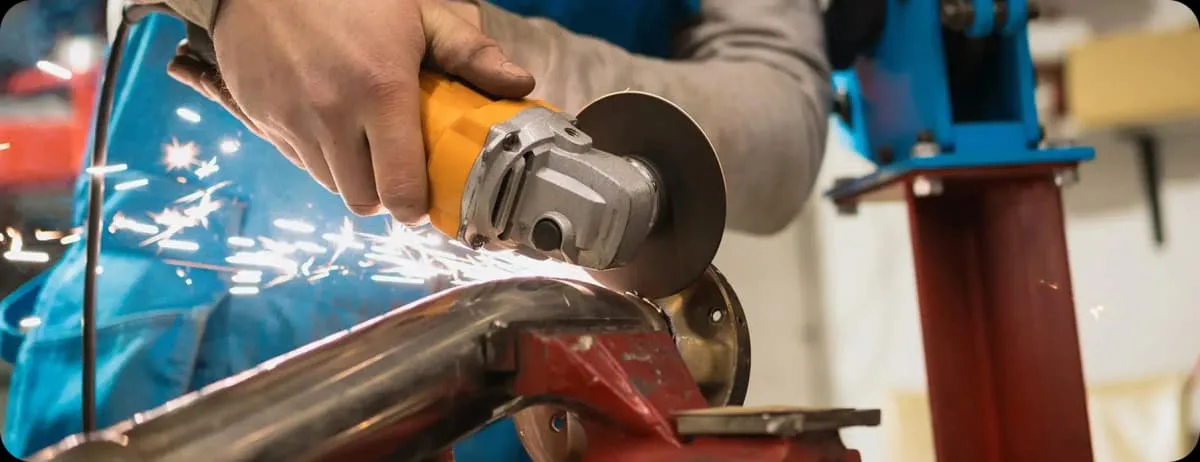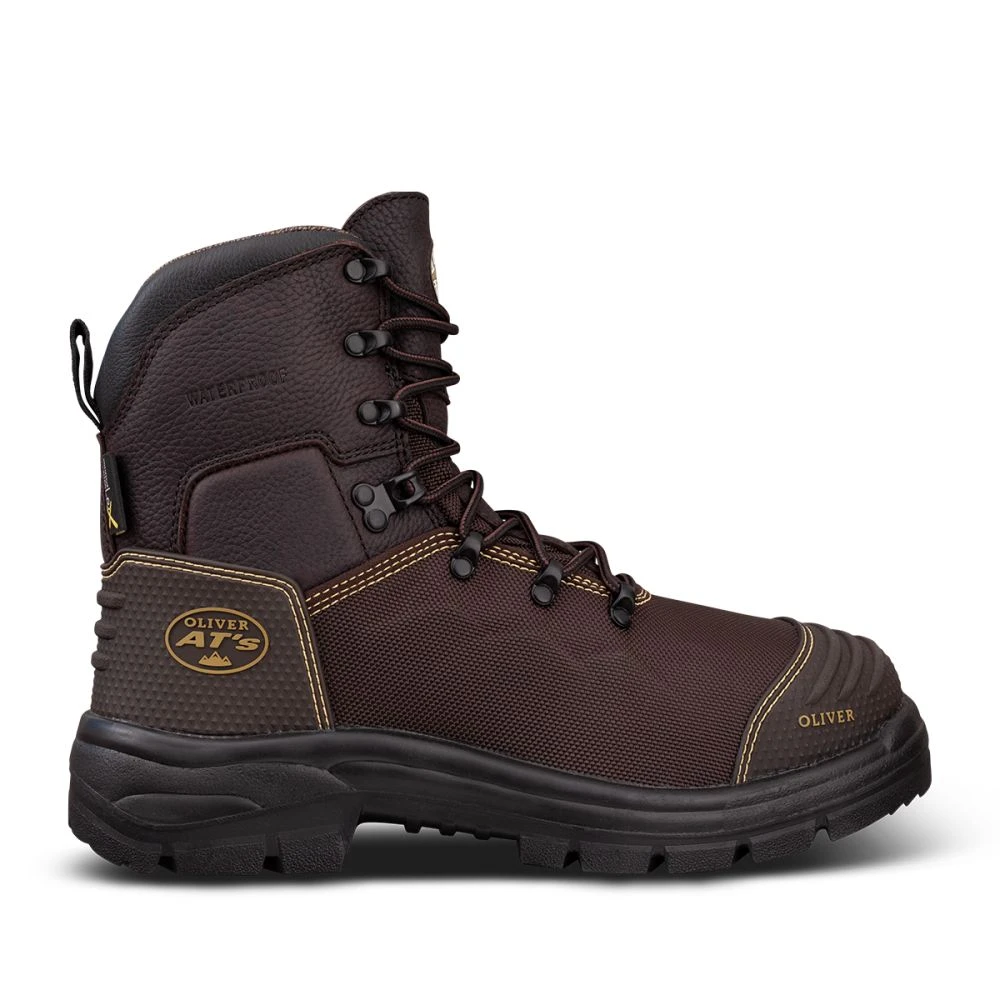
When it comes to workplace safety, the right footwear is more than just a requirement—it’s a necessity. In industries such as construction, mining, manufacturing, and warehousing, safety boots provide crucial protection against hazards like falling objects, sharp equipment, and heavy machinery. Two of the most common options are steel cap boots (also called steel toe boots) and composite toe boots.
Both styles are designed to meet stringent safety standards, but they differ in terms of materials, performance, and comfort. So how do you decide which is better for you?
What Are Steel Cap Boots?
Steel cap work boots are traditional safety footwear with protective toe caps made of hardened steel. They have been the industry standard for decades and are renowned for their durability and robust protection.
Key Features:
- Toe cap made of hardened steel
- Heavy-duty protection against compression and impact
- Suitable for high-risk environments
Steel toe boots are widely used in heavy industries such as construction, logging, and shipping, where maximum protection is required against falling or rolling objects.
What Are Composite Toe Boots?
Composite toe boots are made with non-metal materials such as fiberglass, carbon fiber, Kevlar, or plastic. While they provide the same level of toe protection required by safety standards, they are lighter and often more comfortable than steel toe boots.
Key Features:
- Toe cap made from composite materials (no metal)
- Lightweight and insulating
- Ideal for workers in environments with metal detectors or extreme temperatures
Composite boots are commonly used in industries like aviation, electrical work, security, and logistics, where comfort, flexibility, and non-conductivity are just as important as protection.
Comparing Steel Cap Boots vs Composite Toe Boots
Let’s break down the key differences between the two.
1. Protection and Strength
- Steel Cap Boots: Offer maximum protection against heavy compression and sharp impacts. Steel can withstand higher pressure than composite materials, making it ideal for extremely hazardous environments.
- Composite Toe Boots: While still compliant with safety standards, they generally cannot handle the same extreme forces as steel. However, they are strong enough for most workplace hazards.
2. Weight
- Steel Cap Boots: Heavier due to the steel reinforcement, which can cause fatigue during long shifts.
- Composite Toe Boots: Significantly lighter, making them more comfortable for workers who are constantly on their feet or moving around.
3. Comfort
- Steel Cap Boots: Can feel rigid and may cause discomfort during extended wear, especially in hot or cold environments since steel conducts temperature.
- Composite Toe Boots: Provide better comfort, with materials that don’t transfer heat or cold. They’re often designed with more ergonomic features for flexibility and cushioning.
4. Electrical Resistance
- Steel Cap Boots: Being metal-based, steel toe boots are not ideal for environments where electrical hazards are present.
- Composite Toe Boots: Made from non-metallic materials, they are non-conductive and safer for electricians or workers near live wires.
5. Security and Metal Detectors
- Steel Cap Boots: Will set off metal detectors, making them impractical in industries with strict security checks (e.g., airports, courthouses).
- Composite Toe Boots: Pass through detectors without issue, making them perfect for security-sensitive workplaces.
6. Durability
- Steel Cap Boots: Extremely durable and less prone to damage. Steel doesn’t crack or splinter under pressure.
- Composite Toe Boots: While durable, composite materials can weaken over time if repeatedly exposed to extreme stress.
7. Temperature Performance
- Steel Cap Boots: Conduct heat and cold, which can be uncomfortable in extreme weather. They may also feel colder in winter and hotter in summer.
- Composite Toe Boots: Provide better insulation, making them ideal for hot or cold environments.
8. Cost
- Steel Cap Boots: Usually less expensive because steel is cheaper to manufacture and widely available.
- Composite Toe Boots: Tend to cost more due to the advanced materials used, though prices are becoming more competitive.
Which Boot Should You Choose?
The right choice depends on your work environment, safety requirements, and comfort needs.
Choose Steel Cap Boots if:
- You work in heavy industries like costruction, mining, or shipping.
- Maximum protection against impact and compression is essential.
- You need durable boots that can withstand harsh conditions.
- Cost is a key consideration.
Choose Composite Toe Boots if:
- You work in security, aviation, electrical, or logistics industries.
- You spend long hours walking or standing and need lightweight footwear.
- You work in environments with extreme hot or cold conditions.
- You need non-conductive boots for electrical safety.
- You regularly pass through metal detectors.
Conclusion
Both steel cap and composite toe boots meet essential safety standards and offer reliable protection in hazardous environments. The best choice ultimately comes down to what matters most for your job. If you need maximum durability and protection against heavy impacts, steel cap boots remain the top choice. If comfort, lightweight design, and electrical or security considerations are more important, composite toe boots are the way to go.
By understanding the strengths and limitations of each, you can select the right safety boots that not only protect your feet but also keep you comfortable and productive throughout the workday.