The strategic development of a farmstead requires a forward-thinking approach to infrastructure that balances current operational needs with future expansion goals. For many producers, the challenge lies in moving away from reactive building projects towards a cohesive master plan that enhances daily efficiency. A poorly positioned or incorrectly specified building can create logistical bottlenecks that persist for decades, impacting everything from livestock movement to machinery maintenance.
Modern planning focuses on high-performance materials and adaptable layouts that can evolve alongside the business. By selecting a versatile agricultural structure, a farm can ensure that its capital investments are protected against shifting market demands and environmental pressures. Success in this area is defined by a meticulous attention to detail during the initial design phase, ensuring that every new addition to the yard serves a specific functional purpose while integrating seamlessly with the existing landscape.
Prioritising site selection and orientation
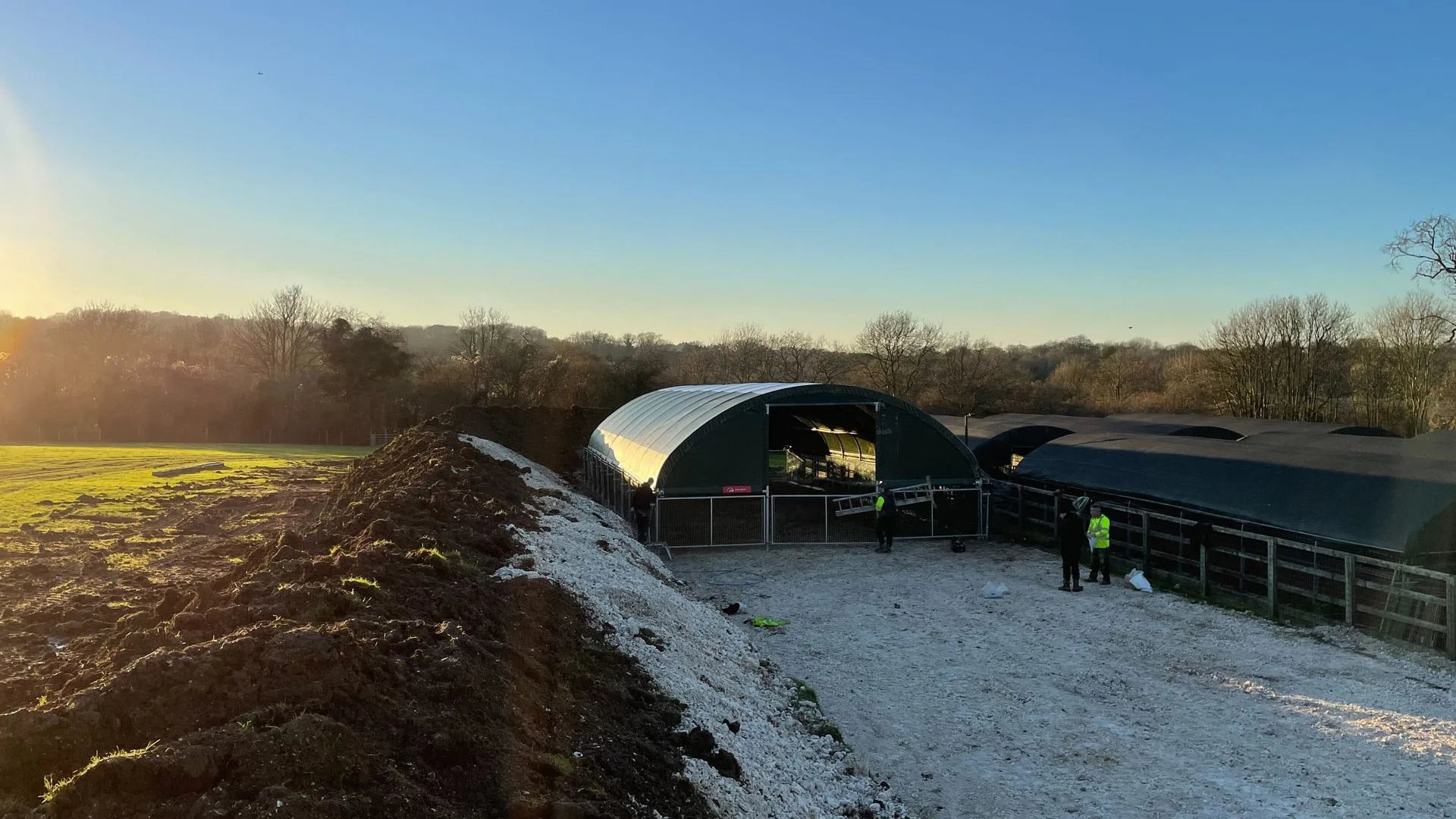
The foundation of any successful building project begins with an intensive evaluation of the physical site and its natural characteristics. Effective planning considers the prevailing wind directions and natural topography to ensure that the building is shielded from the worst of the elements while still benefiting from natural airflow. A well-placed agricultural structure will utilise the slope of the land to assist with natural drainage, preventing the accumulation of standing water that can compromise both the building’s base and the health of the animals nearby. Access points must also be wide enough to accommodate the largest vehicles in the fleet, ensuring that deliveries and daily tasks can be completed without complex manoeuvring or the risk of structural damage.
Optimising ventilation and natural light
Maintaining a healthy internal environment is perhaps the most critical factor when designing buildings intended for animal occupation or sensitive crop storage. Traditional, fully enclosed buildings often suffer from poor air exchange, leading to a build-up of moisture and pathogens that can negatively impact productivity.
Contemporary designs favour high-clearance ceilings and breathable wall options that promote the stack effect, allowing stale air to rise and exit naturally. Furthermore, the use of translucent roofing materials allows natural light to flood the interior, which is essential for regulating biological rhythms and reducing the reliance on expensive artificial lighting systems. This approach creates a bright, airy environment that is conducive to both animal welfare and a positive working atmosphere for farm staff.
Engineering for reliability in the British climate
The resilience of a farm building is tested by the unpredictable nature of the British weather, which frequently includes high wind speeds and significant winter snow loads. Engineering a reliable agricultural structure requires the use of high-grade materials such as hot-dipped galvanised steel and industrial-strength tensile fabrics that are specifically treated to resist UV degradation. Unlike traditional timber or untreated metal, these modern components are designed to withstand the corrosive atmosphere often found in farm environments, such as high ammonia levels from livestock. By prioritising materials that require minimal ongoing maintenance, producers can reduce their long-term operational costs and ensure that the building remains a safe and functional asset for its entire service life.
Modularity and the benefit of relocatable assets
In a fluctuating economic landscape, the ability to adapt infrastructure to new requirements is a significant competitive advantage. Modular building systems allow for a level of flexibility that permanent brick-and-mortar structures simply cannot match. If a farm decides to pivot from one type of production to another, a modular agricultural structure can be extended, shortened, or even completely relocated to a different site with minimal disruption. This adaptability ensures that the building never becomes an obsolete obstacle in the middle of a developing yard. Furthermore, because these structures often do not require permanent foundations, they can sometimes be classified as temporary or relocatable assets, which may provide specific advantages during the planning application process or for tax depreciation purposes.
Internal layout and unobstructed spans
The internal functionality of a building is largely determined by its structural footprint and the presence or absence of internal supports. An unobstructed internal span is a hallmark of modern engineering, providing a clear, open space that allows for the unrestricted movement of large machinery such as telehandlers and tractors. This open-plan approach is particularly beneficial for multi-purpose buildings that may need to switch between bulk storage and seasonal livestock pens. Without the hindrance of central pillars, cleaning out waste becomes a significantly faster and safer task, reducing the physical labour required and ensuring that hygiene standards remain high throughout the year.
Strategic drainage and perimeter management
Effective infrastructure planning extends beyond the walls of the building to the management of the surrounding ground. Heavy rainfall can quickly turn a busy farm yard into a logistical nightmare if the drainage systems are not properly integrated into the initial agricultural structure design. Implementing high-capacity guttering and robust downpipes ensures that rainwater is diverted away from high-traffic areas and into suitable soakaways or collection tanks for greywater reuse. Additionally, the installation of concrete aprons or reinforced hardcore around the entrance points helps to maintain a firm standing for vehicles and livestock, preventing the ground from becoming poached and ensuring that the site remains accessible even during the wettest months of the year.
Implementing technology for environmental control
As farming becomes increasingly data-driven, the integration of smart technology into building design is becoming more common. Automated sensors can be used to monitor internal temperatures, humidity levels, and air quality in real time, providing producers with the information they need to make precise adjustments to the environment. For example, automated side curtains or ridge vents can be programmed to open or close based on external weather conditions, maintaining a consistent internal climate without the need for manual intervention. This level of control is particularly important for high-value rearing processes where even minor fluctuations in temperature can have an impact on growth rates and overall animal health.
Integrating structures for long-term productivity
A successful farm development plan views every building not as an isolated unit, but as a component of a larger operational machine. The relationship between storage areas, processing zones, and animal housing must be carefully balanced to minimise the time and energy spent on daily movements. A well-planned agricultural structure acts as a catalyst for improved productivity, providing the protected environment needed for both staff and assets to perform at their best. By focusing on quality, modularity, and environmental health, producers can build a resilient foundation that supports their business objectives for decades.
For those looking to modernise their facilities, the transition to modular systems offers a clear path towards a more efficient future. Investing in high-specification livestock housing ensures that the farm can meet the highest standards of care while maintaining the logistical flexibility required to stay profitable in an ever-changing industry.