When harsh winter conditions strike, protection against the cold isn't just a luxury—it's a necessity. Whether you're working on a construction site, managing a greenhouse, storing sensitive equipment, or transporting temperature-sensitive goods, maintaining temperature stability is crucial for safety, efficiency, and cost savings. That's where Insulated Tarps for Cold Weather come in.
At Qingdao Agrishade Mesh Co., Ltd., we specialize in high-quality protective solutions that are engineered to perform in extreme conditions. Our Insulated Tarps for Cold Weather are specifically designed to provide thermal protection, prevent equipment damage, and improve energy efficiency across various industries. As a trusted manufacturer with years of expertise, we understand the demanding environments our clients face and are committed to providing products that exceed expectations.
What Are Insulated Tarps for Cold Weather?
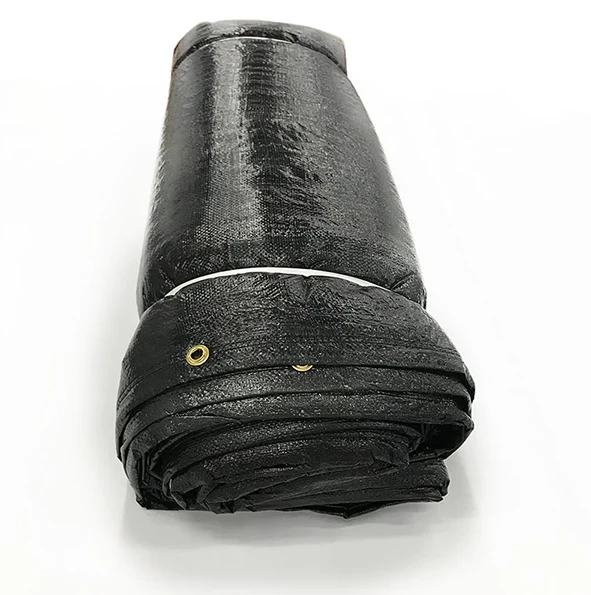
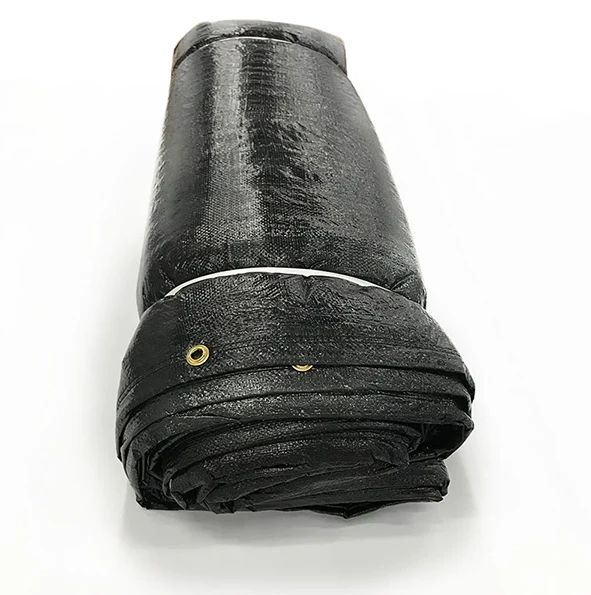
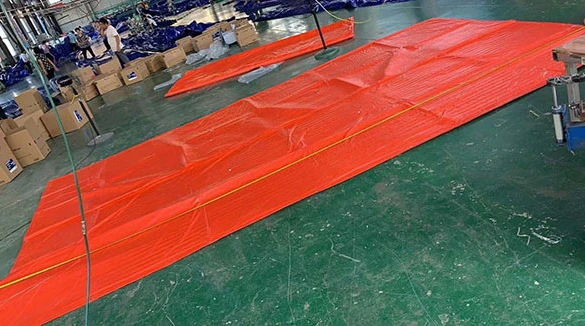
Before diving into their uses, it's important to understand what makes these tarps unique. Insulated Tarps for Cold Weather are multi-layered covers designed to trap and regulate heat. Typically, they consist of a durable, weather-resistant outer shell and a thermal insulating layer such as closed-cell foam or polyester batting. This structure allows them to serve as temporary insulation barriers that are flexible, durable, and easy to install.
Key Features:
- Weather-resistant outer layers (PE or PVC coatings)
- Heat-retaining inner layers
- Reinforced hems and grommets for anchoring
- Reusable and flexible
- Available in various sizes and thickness levels
Top Uses for Insulated Tarps in Cold Weather Conditions
1. Concrete Curing and Construction Site Protection
Cold weather can significantly delay construction projects, particularly during the concrete pouring and curing stages. Exposure to freezing temperatures compromises the hydration of cement, resulting in weak and brittle concrete. Using Insulated Tarps for Cold Weather on construction sites helps maintain the proper curing temperature, preventing cracking and structural weaknesses.
Benefits:
- Ensures curing consistency
- Reduces delays caused by weather
- Protects tools and materials from freezing
- Provides temporary work enclosures
2. Equipment and Machinery Covering
Leaving heavy machinery or sensitive equipment exposed to snow, ice, and frost can lead to costly repairs or replacements. Insulated tarps serve as an effective barrier against moisture and freezing temperatures, maintaining operational readiness and extending the machinery’s lifespan.
Applications:
- Agricultural machinery
- Industrial equipment
- Generators and compressors
- HVAC units and pump stations
3. Heat Retention in Temporary Structures or Shelters
In remote job sites or disaster relief scenarios, temporary workspaces, tents, or shelters are set up to provide cover and comfort. However, these structures offer little thermal resistance. Lining the interiors with Insulated Tarps for Cold Weather significantly increases warmth and energy efficiency, enhancing the working or living environment.
Ideal For:
- Emergency response units
- Outdoor workstations
- Military tents and barracks
- Backyard greenhouses
4. Protecting Plants and Crops in Agriculture
Winter months can be extremely hard on crops and plants, especially in regions that experience sudden frost or snow. Farmers and horticulturists rely on insulated tarps to trap radiant heat and minimize exposure to harsh weather. Qingdao Agrishade Mesh Co., Ltd. also offers custom-sized tarps for greenhouses, orchards, and outdoor nurseries.
Advantages:
- Extends growing season
- Prevents frostbite damage on plants
- Maintains soil temperature overnight
- Reduces reliance on electric or gas heating
5. Thermal Blanketing for Concrete Forms and Pipeline Thawing
When pouring concrete in freezing temperatures, or thawing frozen underground utility lines and pipelines, heat retention is critical. Our Insulated Tarps for Cold Weather trap the natural heat from below and prevent thermal loss from evaporating into the cold air.
Benefits:
- Increases thawing speed
- Reduces fuel or heating costs
- Helps in maintaining soil workability
- Minimizes downtime in excavation projects
6. Weatherproofing During Material Transport
Transporting goods such as chemicals, paints, or temperature-sensitive materials needs special attention in winter. Using insulated tarps in freight, rail, or truck transport helps maintain core temperatures and prevents condensation and freezing damage.
7. Home and DIY Winterizing Projects
It’s not just for professionals! Many homeowners use Insulated Tarps for Cold Weather for various DIY applications, like insulating water heaters, covering outdoor plumbing systems, or providing frost protection over garden soil and mulch.
Why Choose Qingdao Agrishade Mesh Co., Ltd. for Insulated Tarps?
As a leading insulated tarp manufacturer, our company stands out for combining quality, durability, and affordability. Our tarps are manufactured with premium materials, inspected for quality control at every step, and can be custom-engineered to meet your specific requirements.
What Sets Us Apart:
- Decades of manufacturing experience
- Custom design and sizing options
- Competitive factory-direct pricing
- Global shipping and support
- ISO-certified production lines
We not only provide protection… we provide peace of mind.
Choosing the Right Insulated Tarp for Your Needs
Not all insulated tarps are made equal. Depending on your needs, you’ll want to consider the material, temperature range, waterproofing level, and durability. Our team of experts at Qingdao Agrishade Mesh Co., Ltd. can help you determine the best product based on:
- Application use (construction vs. agriculture)
- Size and area to be covered
- Temperature fluctuations in your region
- Duration of use (temporary or long-term)
- Caring for Your Insulated Tarps
With proper care, your insulated tarp can last for many seasons.
- Always fold and store in a dry area after use
- Avoid sharp edges during installation
- Periodically inspect for tears or wear
- Clean with mild soap and water—avoid harsh solvents
Whether you're battling freezing temperatures on a job site, protecting crops from frost, or creating a temporary heated workspace, Insulated Tarps for Cold Weather remain one of the most versatile and cost-effective tools at your disposal. With benefits ranging from thermal insulation to waterproofing and weather resistance, there simply isn't a better solution for facing winter head-on.
FAQs
1. What temperatures can your insulated tarps withstand?
Our insulated tarps are tested to perform in extreme temperatures as low as -40°C (-40°F). The materials used are designed to resist cracking or tearing in sub-zero conditions.
2. Can I get a custom size for my specific project?
Absolutely. Qingdao Agrishade Mesh Co., Ltd. specializes in supplying custom-sized insulated tarps. Whether you need large coverage for a concrete project or a small tarp for personal use, we've got you covered.
3. Are your tarps fire-resistant or waterproof?
Our standard tarps are water-resistant and UV-proof. Fire-retardant options are available upon request depending on your application requirements or industry standards.
4. Do insulated tarps require special installation tools?
No special tools are required. Installation is done using grommets and tie-downs, ball bungees, or tension straps—which we also offer as accessories for added convenience.
5. How do I store insulated tarps during summer?
Store them in a cool, dry area folded or rolled with the insulated layer inward. Keeping them clean and protected from direct sunlight will extend their useful life.
6. Can they be reused every season?
Yes. With proper handling and storage, Insulated Tarps for Cold Weather from Qingdao Agrishade Mesh Co., Ltd. are made for durability and repeat usage over multiple seasons.