Opening the Door to Renewable Energy: A Transformative Moment
As of mid-2026, renewable energy is no longer a distant ideal but a tangible reality reshaping how individuals, businesses, and governments power their lives. The International Energy Agency reports that renewable sources now constitute over 38% of global electricity generation, a milestone reflecting rapid technological advancements and policy shifts. Imagine a suburban family in California reducing their electricity bill by 70% after installing solar panels last year, or a rural community in India gaining reliable electricity for the first time through wind microgrids. These scenarios illustrate the vast potential and accessibility of renewables today.
Yet, for many, the question remains: how to get started with renewable energy? Whether motivated by climate concerns, cost savings, or energy independence, embarking on this path requires informed decisions. This article unpacks the critical steps, current developments, and expert insights necessary to effectively embrace renewable energy in 2026. From understanding foundational concepts to navigating the complexities of installation and incentives, this guide aims to empower readers to take decisive action.
"Renewable energy adoption is no longer reserved for large corporations or affluent households; it's a viable option for a broad spectrum of users." – Dr. Elena Marquez, Energy Policy Analyst
Tracing the Path: How Renewable Energy Became Within Reach
The evolution of renewable energy technology over the past two decades has been remarkable. In the early 2000s, solar photovoltaic (PV) systems and wind turbines were prohibitively expensive and technically complex, limiting adoption primarily to government or large industrial projects. However, a combination of improved materials science, economies of scale, and substantial policy support transformed the landscape.
By 2010, solar panel costs had dropped by nearly 60%, and wind turbine efficiency had improved by 25%. Governments worldwide implemented feed-in tariffs, tax credits, and renewable portfolio standards, incentivizing both producers and consumers. The 2015 Paris Agreement further accelerated investments, with many countries committing to net-zero targets by mid-century.
Today, distributed renewable energy—small-scale systems installed at homes or businesses—accounts for a significant and growing share of new capacity. Battery storage advancements have addressed intermittency challenges, enabling users to store excess power. Smart grid technologies allow integration and optimization across diverse energy sources. This trajectory, detailed in How Renewable Energy Is Reshaping Global Power and Climate Action, highlights the confluence of innovation and policy that paved the way for accessible renewable solutions.
Core Considerations: Evaluating Your Renewable Energy Options
Starting with renewable energy involves strategic evaluation of several factors to ensure the chosen system aligns with personal goals and circumstances. First, consider the energy needs and consumption patterns. Residential users should analyze monthly electricity usage, peak demand times, and seasonal variations. This data helps size solar or wind installations correctly to maximize efficiency and savings.
Next, assess the local renewable resource availability. Solar irradiance maps and wind speed data, often provided by national meteorological agencies, indicate the potential energy yield. For instance, rooftop solar panels in Arizona generate substantially more electricity annually than in Seattle due to sunlight differences.
Financial considerations are paramount. While upfront costs have decreased markedly—average residential solar installations in the U.S. now range between $15,000 and $25,000 post-incentives—understanding available subsidies, tax credits, and financing options is crucial. Leasing, power purchase agreements (PPAs), and green loans offer pathways to reduce initial expenditure.
Finally, system types and technologies must be evaluated. Solar PV remains the most accessible for residential use, but emerging options like small-scale wind turbines, geothermal heat pumps, and community solar programs expand possibilities. Battery storage systems, typically lithium-ion or emerging solid-state variants, enhance energy autonomy by storing generated power for nighttime or grid outages.
"Matching renewable technology to site-specific conditions and financial realities is the foundation for a successful transition." – Marcus Liu, Renewable Energy Consultant
2026 Update: Innovations and Incentives Shaping the Market
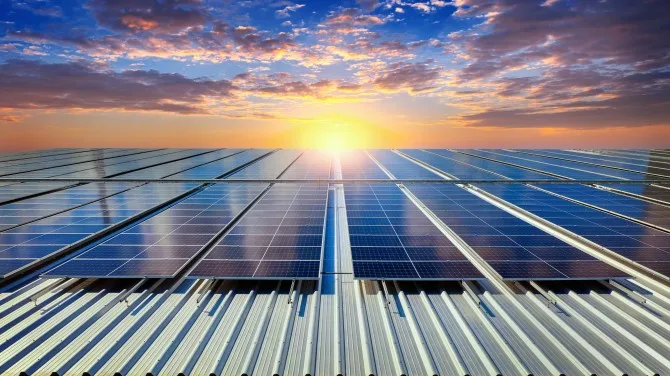
The renewable energy sector in 2026 is marked by several transformative trends accelerating adoption. One notable development is the widespread deployment of bifacial solar panels, which capture sunlight on both sides, increasing energy output by up to 20%. Additionally, perovskite solar cells, now commercially viable, offer higher efficiency and lower manufacturing costs compared to traditional silicon panels.
Battery technology has also leapt forward. Solid-state batteries are entering the market, promising greater energy density, faster charging, and improved safety. These advancements reduce reliance on cobalt and nickel, materials with supply chain challenges.
Policy environments have adapted to support these innovations. For example, the renewed U.S. Inflation Reduction Act of 2025 extended tax credits for residential renewable installations through 2030, while the European Green Deal introduced new subsidies for hybrid systems combining solar, wind, and storage.
Moreover, digital platforms now facilitate streamlined project management and energy monitoring, empowering users to optimize consumption and participate in peer-to-peer energy trading. This democratization of energy markets is reshaping user roles from passive consumers to active prosumers.
- Emerging technologies: bifacial and perovskite solar panels, solid-state batteries
- Policy incentives: extended tax credits, subsidies for hybrid systems
- Digital tools: energy monitoring apps, peer-to-peer trading platforms
These developments underscore the dynamic nature of renewable energy markets and the importance of staying informed to leverage evolving opportunities.
Expert Insights and Industry Impact: Voices from the Field
The renewable energy transition is not only a technological shift but also a socio-economic transformation affecting industries and communities. Leading experts emphasize the need for comprehensive planning and stakeholder engagement to maximize benefits.
Dr. Priya Nair, Chief Engineer at GreenTech Innovations, highlights the role of education: "Many first-time adopters underestimate installation complexities and maintenance requirements. Comprehensive guidance and reliable installers are critical to long-term satisfaction and system performance." She points to initiatives training local technicians as crucial for sustainable deployment.
From an industry perspective, firms like SunWave Energy and EcoGrid Solutions report surging demand for integrated solutions combining generation, storage, and smart management. The shift towards electrification in transportation and heating further amplifies renewable energy’s market impact.
However, challenges remain. Grid integration requires upgrades to handle distributed, variable inputs, and regulatory frameworks must evolve to support new business models. According to a recent study cited in Renewable Energy’s Rising Tide, collaborative approaches between utilities, regulators, and consumers are essential to avoid bottlenecks.
"Renewable energy adoption is as much about system integration and community engagement as it is about technology." – Elena Marquez
Practical Steps to Begin Your Renewable Energy Journey
For individuals and businesses ready to embark on renewable energy adoption, a clear roadmap simplifies the process and mitigates risks. The following steps provide a structured approach:
- Conduct an energy audit: Use professional services or smart meters to understand your consumption patterns.
- Research local climate and renewable resources: Access government or private databases for solar and wind potential in your area.
- Explore technology options: Compare solar PV, wind turbines, geothermal, and hybrid systems based on feasibility and budget.
- Investigate financial incentives: Identify tax credits, rebates, and financing programs available in your jurisdiction.
- Select qualified installers: Verify certifications and review customer feedback to ensure quality and reliability.
- Plan for maintenance and monitoring: Establish schedules and utilize digital tools for ongoing system performance tracking.
- Consider energy storage: Evaluate battery options to enhance self-consumption and resilience.
These steps reflect industry best practices and align with guidance from leading renewable energy organizations. Additionally, engaging with community programs or cooperatives can provide cost-sharing benefits and peer support.
Looking Ahead: The Future of Personal Renewable Energy in 2030 and Beyond
As we approach 2030, renewable energy adoption is poised to become even more mainstream and accessible. Technological breakthroughs like tandem solar cells and advanced grid-edge computing will increase efficiency and user control. The rise of blockchain-enabled energy trading platforms may redefine how individuals buy and sell electricity.
Urban planning will increasingly integrate renewable infrastructure, with buildings designed for optimal solar harvesting and community microgrids enhancing resilience. Policy frameworks are expected to evolve towards holistic energy ecosystems supporting circular economy principles.
For individuals considering their first steps, the key takeaway is to stay informed and proactive. Early adopters will benefit from lower costs, better technology, and growing social support networks. As noted in Renewable Energy’s Surge: How 2026 Is Redefining Global Power, this decade marks a pivotal moment where individual action can significantly influence broader climate and energy outcomes.
- Emerging trends: smart grids, blockchain trading, integrated urban renewables
- Policy evolution: from incentives to ecosystem support
- Social impact: community empowerment and energy democracy
In summary, getting started with renewable energy today means contributing to a cleaner, more resilient, and equitable energy future. With the right knowledge and tools, anyone can join the transition effectively.