
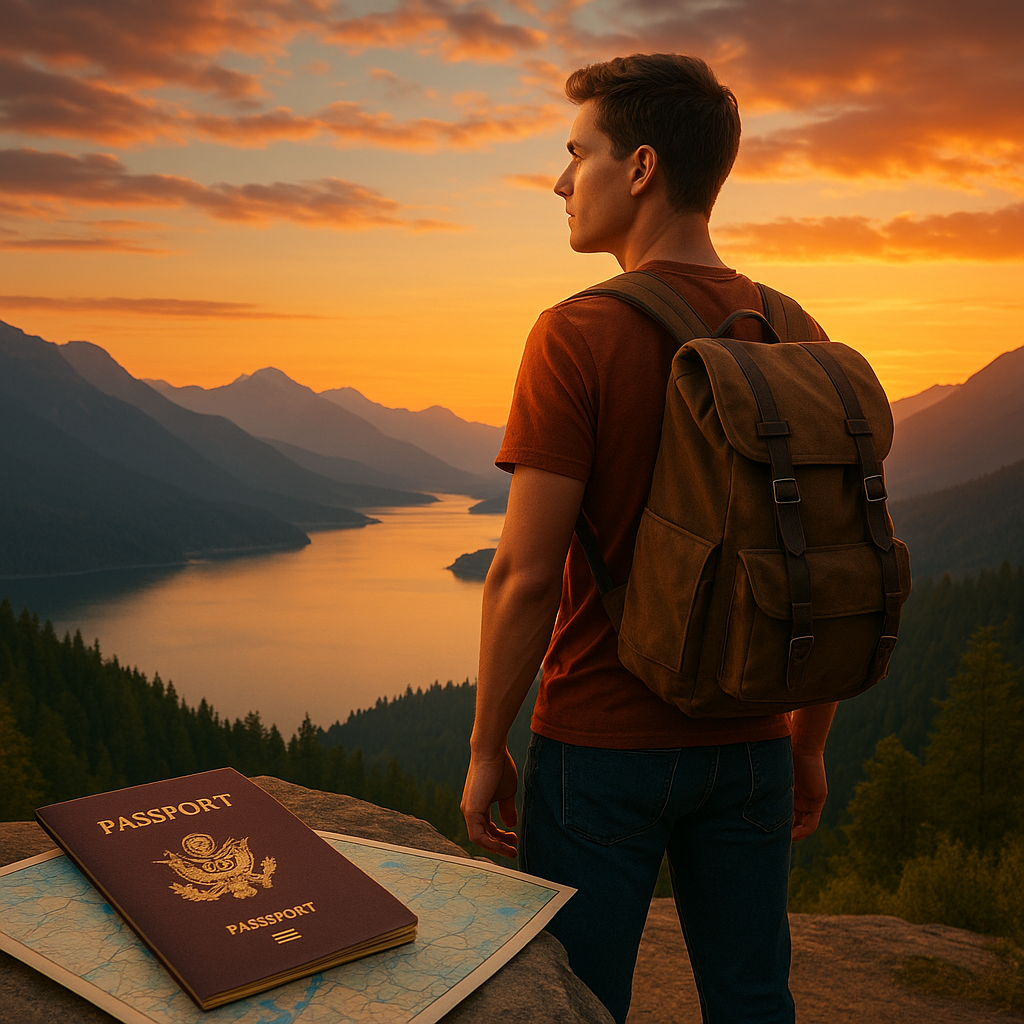
Setting Out: The Thrill and Challenge of First-Time Travel
Imagine stepping off a plane in a foreign city, the air thick with unfamiliar scents, languages swirling around you, and a palpable buzz of adventure in the streets. This exhilarating scene is what many first-time travelers envision before embarking on their journeys. Yet, beneath the excitement lies a complex web of decisions and preparations that can overwhelm the uninitiated. According to 2026 data from the World Tourism Organization, the number of first-time international travelers has surged by nearly 18% since 2023, reflecting a global reopening and renewed wanderlust after pandemic disruptions.
Travel for beginners can evoke anxiety about logistics, safety, and budgeting. However, with careful planning and a clear understanding of modern travel dynamics, newcomers can transform apprehension into empowerment. This guide offers not just a checklist, but a strategic approach, drawing on recent trends, expert insights, and practical advice to help you navigate your first trips with confidence and curiosity.
“Travel transforms us by pushing our comfort zones. Preparation is the key to unlocking that transformation without fear.” — Anita Rose, seasoned travel consultant
From Past to Present: How Travel Evolved to 2026’s New Normal
Over the past decade, travel has undergone seismic shifts. Pre-pandemic, international travel was characterized by rapid growth, fueled by cheaper flights and digital booking platforms. The COVID-19 pandemic, however, upended global mobility, forcing an unprecedented pause. Since 2023, a blend of technological advancements and shifting traveler priorities has reshaped the landscape.
In 2026, sustainable tourism dominates traveler consciousness. A 2025 survey by the Global Travel Association found that 64% of beginners prioritized eco-friendly accommodations and transportation options. Moreover, digital health passports and AI-driven itinerary planners have become standard tools, making travel safer and more personalized than ever.
This evolution means beginners today are stepping into a travel environment that is smarter, more conscious, and technology-enabled, contrasting sharply with the traditional guesswork approach. Understanding this context is crucial to harness the latest tools and trends effectively.
Core Essentials for Beginners: Planning, Packing, and Prioritizing
At the heart of successful beginner travel lies meticulous preparation. The first step is destination selection, balancing excitement with accessibility and safety. Emerging destinations like Portugal’s Alentejo region and Vietnam’s Da Nang have gained popularity due to affordability and welcoming infrastructure, as noted by travel industry reports.
Once you’ve chosen a destination, budgeting becomes paramount. According to recent data from travel finance analytics, 75% of first-time travelers underestimate ancillary costs such as local transport, tipping, and travel insurance. Experts recommend creating a three-tier budget: must-haves (flights, accommodation), nice-to-haves (day tours, dining), and contingencies (unexpected expenses).
Key travel planning components include:
- Documentation: Secure passports, visas, and travel insurance well in advance.
- Vaccinations and Health: Check CDC or WHO guidelines for destination-specific health requirements.
- Accommodation: Use platforms offering verified reviews and flexible cancellation policies.
- Local Research: Learn basic phrases, cultural norms, and transport options.
Packing smartly is another cornerstone. The 2026 traveler trend emphasizes minimalist packing, with carry-on-only trips rising by 22% among beginners. Essentials include versatile clothing, travel adapters, portable chargers, and digital copies of important documents. Preparing for unexpected weather changes and emergencies can save a trip from derailment.
“The best travel packing is invisible; you don’t notice it but you feel ready for anything.” — Maya Chen, travel gear expert
Technology and Travel in 2026: Tools Every Beginner Should Use
Technology is reshaping how beginners approach travel, offering tools that simplify every stage from planning to on-ground navigation. The rise of AI-driven travel assistants, such as WanderMate and TripGenie, has revolutionized itinerary building by crafting personalized plans based on user preferences and real-time data.
Moreover, contactless payments and digital wallets now dominate, with over 80% of travelers using mobile payments abroad, according to FinTech reports. This shift reduces the need to carry large amounts of cash and enhances security.
Safety apps like GeoGuardian provide real-time alerts on local risks, while language translation devices and apps have bridged communication gaps, making cultural immersion easier. Even accommodation bookings now integrate augmented reality previews, allowing travelers to virtually explore rooms before committing.
Must-have apps and tools for beginners:
- Flight and Accommodation Aggregators: Skyscanner, Booking.com with AI filters
- Health and Safety Trackers: GeoGuardian, SmartHealth Pass
- Navigation: Maps.me offline maps, Citymapper
- Language Assistance: Google Translate with real-time conversation mode
- Expense Management: Trail Wallet, Splitwise for group trips
Integrating these tools into your travel routine can mitigate common beginner pitfalls such as missed flights, lost directions, or budget overruns.
Expert Advice and Real-World Examples: What Beginners Can Learn From Seasoned Travelers
To provide deeper perspective, we interviewed travel experts and analyzed case studies of successful beginner trips in 2026. Sarah Jennings, a travel blogger who started as a novice in 2024, emphasizes the power of small trips before committing to international travel. She says, "Weekend getaways within your country help build confidence and teach you the art of quick packing and itinerary flexibility." Her first international trip to Iceland was preceded by multiple domestic excursions, allowing her to master essential travel skills.
Another case study involves Tomás Alvarez, who leveraged sustainable travel principles on his first trip to Costa Rica in early 2026. By choosing eco-lodges and public transit, he not only minimized his carbon footprint but also engaged more deeply with local communities, enriching his experience and setting a personal travel standard.
“Beginner travelers should view each trip as a learning curve, not a performance. Mistakes are part of growth.” — Dr. Anika Patel, travel psychologist
These insights highlight the importance of mindset alongside practical preparation. Beginners are encouraged to embrace flexibility, cultural curiosity, and sustainability as pillars of rewarding travel.
Looking Ahead: The Future of Beginner Travel and Key Takeaways
As we move further into 2026, travel for beginners is becoming more accessible and enriched by technology and sustainability consciousness. The coming years will likely see further integration of virtual reality previews and AI-driven personalized experiences, making trip planning less daunting and more tailored.
For beginners, the future holds exciting possibilities but also requires adaptability. Climate change considerations and geopolitical shifts will increasingly influence travel choices, demanding informed and responsible decisions.
Actionable takeaways for beginner travelers:
- Start Small: Build travel skills locally before venturing internationally.
- Leverage Technology: Use AI tools and apps to plan, navigate, and budget efficiently.
- Prioritize Safety and Health: Stay updated on vaccination and travel advisories.
- Adopt Sustainable Practices: Choose eco-conscious options to support responsible tourism.
- Embrace Flexibility: Prepare for changes and view challenges as part of the journey.
For those interested in broader lifestyle improvements alongside travel, TheOmniBuzz offers complementary guides like Building Foundations: A Practical Guide to Health for Beginners and Mastering Home Decor: A Practical Guide for Beginners Ready to Transform Their Space. These resources provide holistic support for individuals embracing new chapters in life, including travel.
Travel is not just movement; it is transformation. For beginners, understanding the modern travel ecosystem, preparing smartly, and adopting a growth mindset can unlock experiences that resonate far beyond the trip itself.