
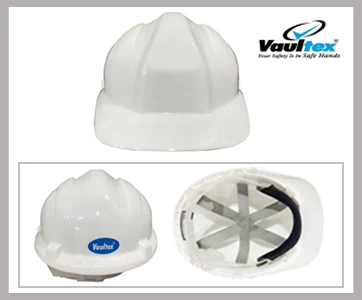
Head Protection Equipment plays a critical role in safeguarding workers from serious head injuries in high-risk industries such as construction, oil & gas, manufacturing, logistics, and firefighting. In major industrial hubs like Riyadh, Jeddah, and Dammam, where large-scale infrastructure and industrial projects are constantly underway, using certified safety helmets is not just best practice—it is a regulatory necessity.
Understanding the standards and certifications behind head protection products helps businesses ensure compliance, improve worker safety, and reduce liability.
Why Standards Matter for Head Protection Equipment
Safety standards define how helmets and hard hats should perform under real-world conditions. Certified head protection equipment in Saudi Arabia is tested for impact resistance, penetration protection, electrical insulation, flame resistance, and durability. Without proper certification, equipment may fail during accidents, leading to severe injuries or fatalities.
For companies operating in Saudi Arabia, especially in cities like Riyadh, Jeddah, and Dammam, compliance with international standards is often required for project approvals, audits, and insurance coverage.
Key International Standards for Head Protection Equipment
1. ANSI Z89.1 (USA Standard)
This standard classifies helmets into:
Type I – Protection from top impact
Type II – Protection from top and side impact
It also categorizes helmets based on electrical protection (Class G, E, and C). ANSI-certified Head Protection Equipment is widely accepted across industrial sites globally.
2. EN 397 (European Standard)
EN 397 focuses on:
Shock absorption
Resistance to penetration
Chin strap strength
Resistance to extreme temperatures
Many companies in Jeddah and Dammam prefer EN-certified helmets for port operations and petrochemical facilities.
3. ISO 3873 (International Standard)
ISO certification ensures consistent quality across global manufacturing processes. It is commonly required for multinational projects and government tenders in Riyadh.
4. SASO (Saudi Standards)
The Saudi Standards, Metrology and Quality Organization (SASO) regulates product safety within the Kingdom. Head Protection Equipment imported or sold locally must meet SASO conformity requirements to be legally distributed.
Choosing the Right Certified Equipment
When selecting Head Protection Equipment, businesses should verify:
Certification labels (ANSI, EN, ISO, SASO)
Manufacturing date and shelf life
Industry-specific requirements
Environmental conditions (heat, chemicals, electrical hazards)
Comfort and adjustability for long working hours
In hot climates like Riyadh and Dammam, ventilation and heat-resistant materials are especially important for worker productivity and safety.
Benefits of Using Certified Head Protection Equipment
Reduced workplace injuries
Compliance with Saudi labor laws
Higher worker confidence and morale
Lower insurance risks
Improved project approval chances
Final Thoughts
Investing in certified Head Protection Equipment is not an expense—it is a strategic safety decision. Whether your operations are based in Riyadh’s construction sector, Jeddah’s ports, or Dammam’s industrial zones, choosing properly certified helmets ensures legal compliance, protects your workforce, and strengthens your company’s reputation.