
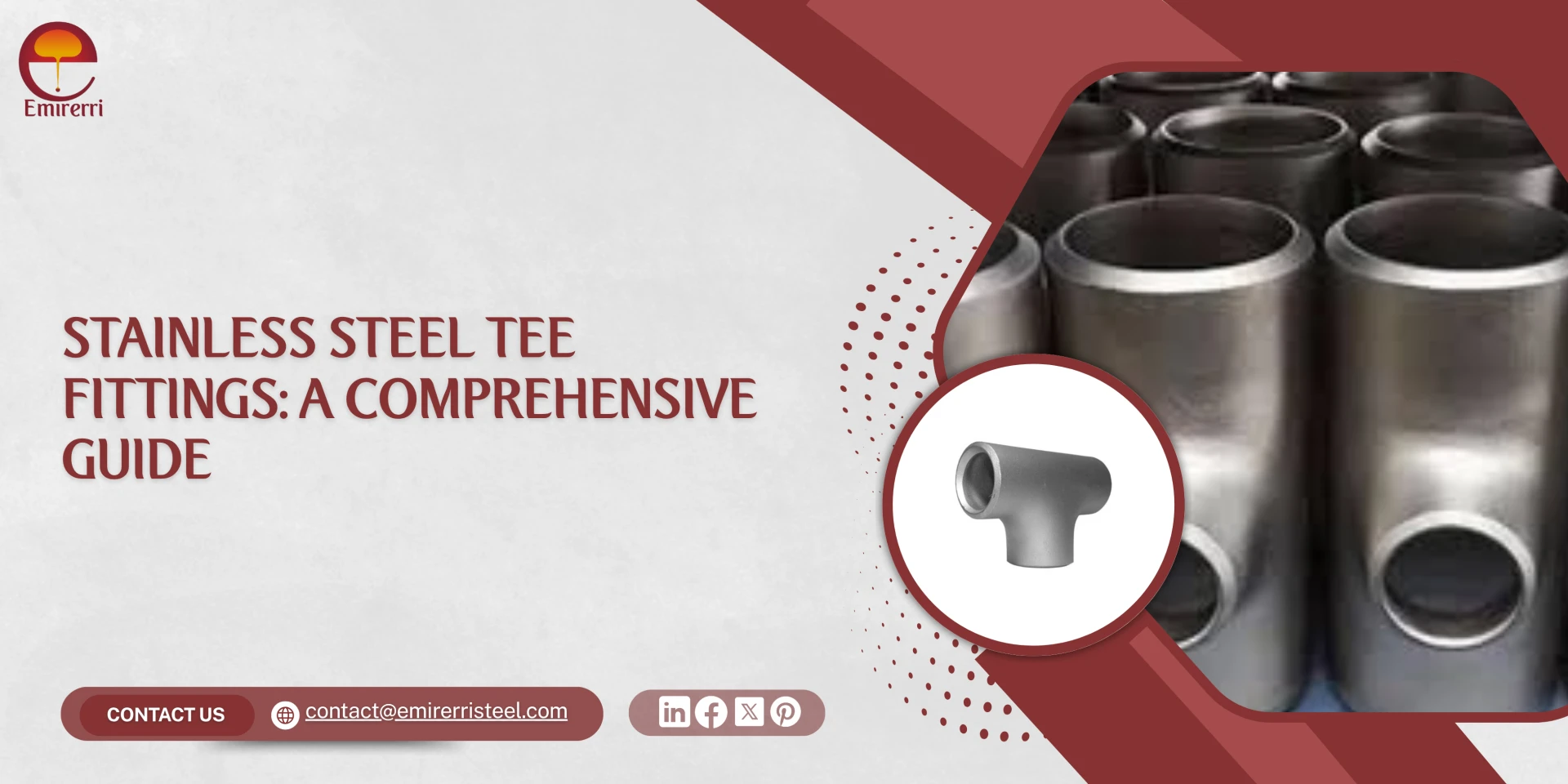
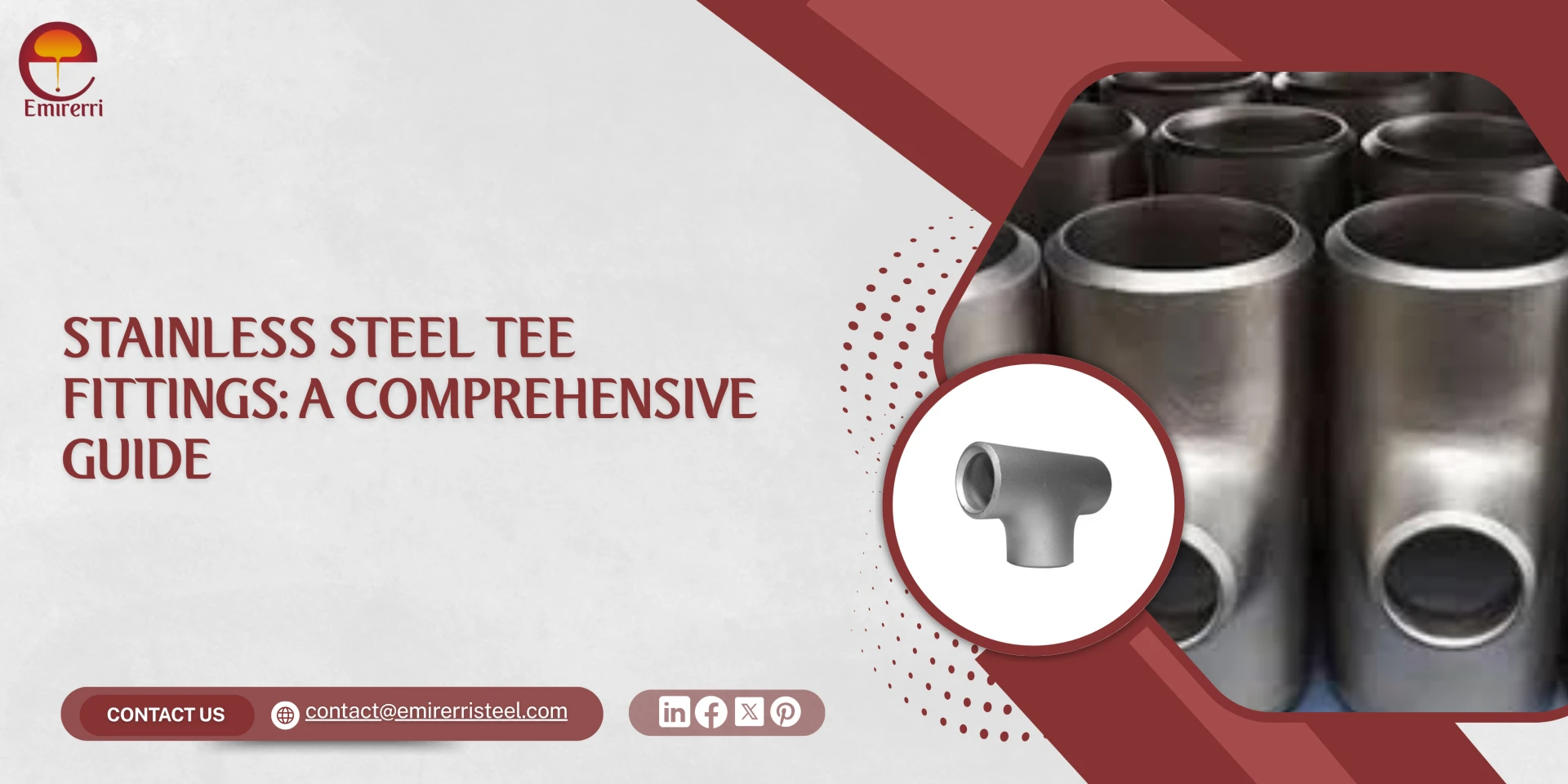
In modern piping systems across industries, steel tee fittings play a vital role in managing the flow of liquids and gases. Whether splitting, combining, or changing the direction of flow, a tee fitting serves as a critical connector. Among the various materials available, stainless steel tee fittings are particularly valued for their strength, resistance to corrosion, and long-lasting performance.
What is a Steel Tee?
A steel tee fitting is a T-shaped pipe component used to connect three sections of pipe. It has one inlet and two outlets (or vice versa), typically positioned at 90-degree angles to each other. This shape allows for redirection of flow or division into two paths. Tee fittings are integral in pipeline systems for gas, water, oil, and other fluids.
- Reducing Tee: One branch has a smaller diameter, making it ideal for connecting pipes of different sizes. This is also known as a stainless steel reducing tee when made from corrosion-resistant alloys.
Stainless Steel Tee Fittings: Features and Composition
Stainless steel tee fittings are fabricated from high-performance alloys that include iron, chromium (minimum 10.5%), and varying amounts of nickel, molybdenum, and other elements. The chromium forms a passive layer on the steel’s surface, protecting it from rust and oxidation. Nickel enhances strength and flexibility, while molybdenum improves resistance to chlorides and acidic environments.
These tees are typically manufactured from stainless steel grades like 304, 304L, 316, and 316L, which are widely used in various industries due to their superior mechanical and chemical properties.
Types of Stainless Steel Tees
- Equal Stainless Steel Tee
- All ends have uniform size, suitable for straightforward branch connections.
- Stainless Steel Reducing Tee
- Used when the branch pipe needs to be of a smaller diameter than the main pipe, commonly found in chemical plants and fluid management systems.
- Threaded or Socket Weld Stainless Steel Tee
- These types are used for smaller diameter piping and allow easy disassembly or modification.
- Buttweld Stainless Tee
- Provides a strong, permanent connection ideal for high-pressure applications.
Common Sizes and Variants
- 3/4 stainless tee: Popular in domestic and light commercial applications where moderate flow is managed.
- 1 stainless steel tee: Used in larger piping systems for industrial or mechanical purposes.
- 1/2 stainless steel tee: Common in plumbing, HVAC systems, and smaller-scale setups.
- 3/4 stainless steel tee and 1/2 stainless steel tee are frequently used in food processing and water filtration systems due to their hygienic properties.
Advantages of Stainless Steel Tee Fittings
- Corrosion Resistance
- Ideal for aggressive environments like marine, chemical, and wastewater processing plants.
- High Temperature and Pressure Tolerance
- Stainless steel tees can endure extreme conditions.
- Longevity
- Thanks to their corrosion resistance and strength, stainless steel tees have a long service life with minimal maintenance.
- Hygienic and Aesthetic Qualities
- The smooth, non-porous surface of a stainless tee makes it easy to clean and resistant to bacterial growth—ideal for pharmaceutical and food industries.
- Sustainability
- Stainless steel is recyclable, making it an eco-friendly material choice in construction and industrial applications.
Mild Steel T Section
Although stainless steel is often preferred for its durability and corrosion resistance, mild steel t section fittings are also used in situations where cost-effectiveness is a priority. Mild steel tees are suitable for non-corrosive environments and structural applications, especially in construction frameworks and supports.
Applications of Stainless Steel Tee Fittings
- Chemical Processing Plants
- Withstands harsh chemicals and acids that would corrode lesser materials.
- Oil and Gas Industry
- Used in both upstream and downstream processes due to their ability to handle high pressure and temperature.
- Food and Beverage Industry
- Hygienic and non-reactive properties make stainless steel tee fittings perfect for clean processing environments.
- Pharmaceutical Manufacturing
- Easy to sanitize and resistant to contamination.
- Water Treatment and Plumbing
- Prevents rust in water systems, ensures long-lasting pipelines.
- Construction and Structural Design
- Used as t section steel in buildings and frameworks requiring both strength and visual appeal.
Standards and Compliance
Stainless steel tee fittings are manufactured in accordance with international standards such as:
- ASME B16.9 for buttweld fittings
- ASTM A403 for wrought austenitic stainless steel fittings
These standards ensure consistency, safety, and performance across applications and industries.
Selecting the Right Stainless Tee
When selecting a stainless steel tee, it’s essential to consider:
- Size and Diameter: Match the system’s pipe dimensions, e.g., 1 stainless steel tee or 3/4 stainless tee.
- Material Grade: Choose 304/316 based on corrosion exposure and mechanical needs.
- Type of Connection: Butt weld, threaded, or socket weld depending on the ease of assembly/disassembly.
- Operating Pressure and Temperature: Ensure the tee meets your specific operating conditions.
Conclusion
Whether in industrial processing plants or household plumbing systems, steel tee fittings—especially those made of stainless steel—are crucial for seamless and efficient piping networks.
From a 1/2 stainless steel tee in plumbing lines to a mild steel t section in structural frameworks, the right tee fitting enhances system performance, reliability, and longevity. Understanding the variety, applications, and advantages of stainless steel tee fittings ensures optimal selection for any project.