When sourcing stainless steel plates for industrial or commercial use, buyers are often faced with a wide range of material grades, specifications, and performance claims. Choosing the right plate is not just about price—it’s about durability, corrosion resistance, mechanical strength, and long-term value. pipex.ai understands that buyers need clarity and confidence in their purchasing decisions, especially when materials are used in critical applications like construction, fabrication, and heavy engineering.
From a buyer’s perspective, stainless steel plates are more than just flat metal sheets—they are essential components that influence the performance and lifespan of the final product. Before making a purchase, it is important to evaluate key factors such as grade selection, application suitability, environmental conditions, and supplier reliability.
Understanding Stainless Steel Plates
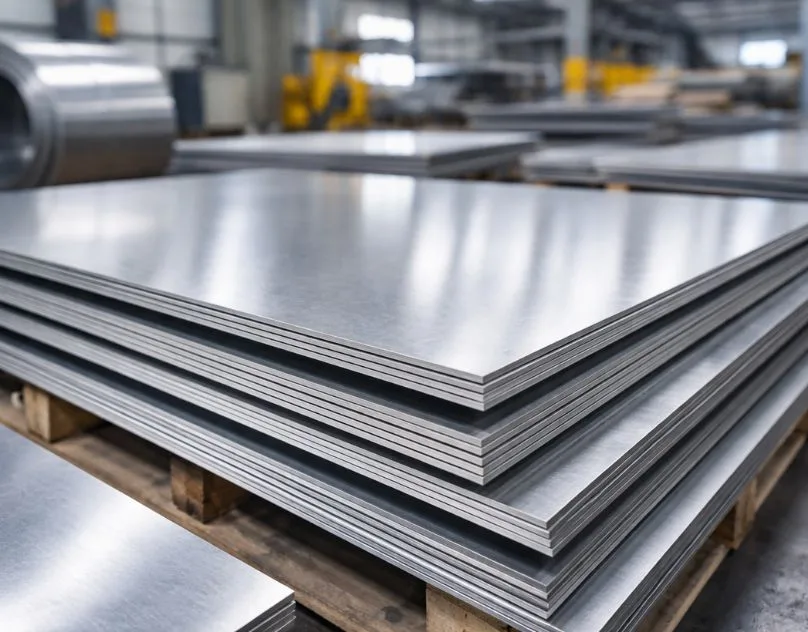
Stainless steel plates are flat-rolled products available in various thicknesses and finishes. They are widely used across industries such as chemical processing, automotive, oil & gas, food processing, and construction due to their excellent corrosion resistance and mechanical properties. However, not all stainless steel plates are the same. Each grade offers unique characteristics, making it suitable for specific applications.
For buyers, understanding these differences can prevent costly mistakes and ensure optimal performance.
Key Grades to Consider
This grade is a martensitic stainless steel known for its high strength and moderate corrosion resistance. Buyers often choose Stainless Steel 410DB Plate for applications that require wear resistance and hardness, such as valves, fasteners, and turbine components. It is also heat-treatable, which adds to its versatility. However, it may not be the best choice for highly corrosive environments, so evaluating the working conditions is crucial before purchase.
Stainless Steel X2CrNi12 Plate
Stainless Steel X2CrNi12 Plate is a ferritic stainless steel that offers good corrosion resistance and excellent formability. It is particularly suitable for applications where moderate corrosion resistance is sufficient, such as automotive exhaust systems and architectural components. Buyers looking for cost-effective solutions without compromising basic performance often prefer this grade.
This grade provides enhanced mechanical strength and improved resistance to wear and tear. Stainless Steel 415 Plate is commonly used in engineering applications where durability is a priority. Buyers should consider this grade when the application involves high stress or mechanical load, as it delivers better performance under demanding conditions.
Stainless Steel 3Cr12L Plate is a low-cost, corrosion-resistant alternative to traditional stainless steels. It is widely used in structural and industrial environments where mild corrosion resistance is sufficient. Buyers appreciate this grade for its affordability and strength, especially in applications like mining equipment, transportation, and storage tanks.
Factors Buyers Should Evaluate
- Application Requirements
The first step in selecting the right stainless steel plate is understanding the application. Will the plate be exposed to moisture, chemicals, or high temperatures? For example, if corrosion resistance is critical, a ferritic or specialized grade may be more suitable than a martensitic one.
- Mechanical Properties
Buyers must assess tensile strength, hardness, and impact resistance. Applications involving heavy loads or mechanical stress require stronger grades like Stainless Steel 410DB Plate or Stainless Steel 415 Plate.
- Corrosion Resistance
Not all environments require the same level of corrosion resistance. For indoor or low-corrosion environments, grades like Stainless Steel 3Cr12L Plate can be a cost-effective choice. However, more aggressive environments demand higher-grade materials.
- Cost vs. Performance
Budget constraints are always a consideration. While premium grades offer superior performance, they may not always be necessary. Smart buyers focus on balancing cost with the required performance level to avoid overspending.
- Supplier Reliability
Choosing the right supplier is just as important as selecting the right grade. Buyers should look for suppliers who provide certified materials, proper documentation, and consistent quality. Timely delivery and after-sales support also play a key role in long-term satisfaction.
Common Mistakes to Avoid
One of the most common mistakes buyers make is selecting a grade based solely on price. This can lead to premature failure, increased maintenance costs, and even safety risks. Another mistake is not considering the operating environment, which can significantly impact the material’s performance.
Buyers should also avoid overlooking specifications such as thickness tolerance, surface finish, and fabrication requirements. These factors can affect both the usability and appearance of the final product.
Final Thoughts
Buying stainless steel plates requires a strategic approach that goes beyond basic specifications. Each grade—whether it is Stainless Steel 410DB Plate, Stainless Steel X2CrNi12 Plate, Stainless Steel 415 Plate, or Stainless Steel 3Cr12L Plate—serves a specific purpose and offers unique advantages.
From a buyer’s perspective, the goal is to select a material that aligns with the application, budget, and long-term performance expectations. By understanding the properties of different grades and evaluating key factors such as corrosion resistance, strength, and supplier credibility, buyers can make informed decisions that deliver both reliability and value.
In today’s competitive industrial landscape, making the right material choice is not just a technical decision—it’s a business advantage.