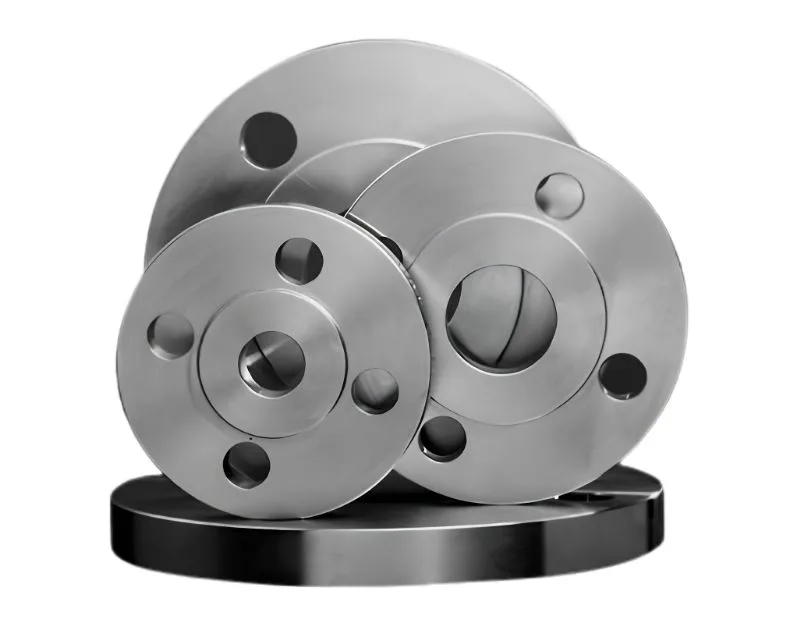
Stainless steel flanges are essential piping components designed to connect pipes, valves, pumps and other equipment through a secure bolted joint. Their corrosion resistance, mechanical strength and availability in different configurations make them suitable for demanding industrial environments. Depending on the piping requirement, options include Weld Neck, Slip-On, Blind, Socket Weld, Threaded, Lap Joint, Long Weld Neck, Spectacle Blind and Ring Type Joint designs. A suitable Stainless Steel flange Manufacturer can provide these products according to required dimensions, pressure ratings, material grades and applicable standards.
What Are Stainless Steel Flanges?
A flange is a rimmed or flat component used to create a detachable connection between piping components. Unlike permanent welded joints, a flanged connection can be dismantled for inspection, cleaning or maintenance. Stainless steel construction is particularly useful where corrosion resistance and long service life are important.
The referenced product range includes several industrial configurations and is manufactured with attention to national and international standards, dimensional requirements and quality checks.
Types of Stainless Steel Flanges Compared
Flange TypeConnection MethodKey AdvantageCommon UseWeld NeckButt weldingExcellent strengthHigh-pressure pipingSlip-OnFillet weldingSimple installationGeneral process linesBlindBolted closureSeals pipe endsIsolation & maintenanceSocket WeldSocket weldingSuitable for smaller linesHigh-pressure systemsThreadedThreaded connectionNo welding requiredSelected low-pressure servicesLap JointStub-end connectionEasy dismantlingFrequent maintenanceRing Type JointMetal ring sealingReliable sealingCritical pressure systemsSpectacle BlindRotating platePositive isolationProcess pipelinesThe product range referenced on the website includes Slip-On, Weld Neck, Blind, Socket Weld, Threaded, Lap Joint, Long Weld Neck, Spectacle Blind and Ring Type Joint configurations.
Material and Standards Selection
The correct flange should be selected according to operating pressure, temperature, fluid characteristics, pipe size and project specifications. Stainless steel grades commonly used for industrial requirements include 304, 304L, 316, 316L, 321, 347, 904L and other specified grades.
For dimensional and pressure requirements, standards such as ASME B16.5, ASME B16.47, EN, DIN, BS and JIS may be applicable depending on the project. The referenced range also includes different international standards and pressure classes.
Stainless Steel Flange Weight Chart
A Stainless Steel flange Weight chart helps engineers, purchasers and logistics teams estimate product weight for procurement, transportation and handling.
Nominal SizeApprox. Weight*Typical Dimensional Consideration1/2"2 kgCompact connection1"4 kgSmall-bore piping2"8 kgProcess piping4"28 kgMedium industrial line6"Higher weightLarger process piping12"Higher weightLarge-diameter systems24"Higher weightHeavy-duty piping*Weight varies with flange type, pressure class, thickness, facing and applicable standard. The referenced page provides a detailed ASTM/ASME/AISI dimensional and weight chart.
Stainless Steel Flanges HSN Code
The HSN classification used for stainless steel flanges should be verified according to the exact product description, material and prevailing Indian GST/tariff requirements. Flanges are generally classified under HSN heading 7307, which covers tube or pipe fittings of iron or steel. Buyers should confirm the applicable sub-classification with their tax professional or current government tariff information before commercial invoicing.
Applications and Industries
These components are widely used where reliable pipe connections and resistance to demanding environments are required.
IndustryApplicationOil & GasPipelines, refineries and processing systemsChemicalCorrosive-fluid process linesPetrochemicalProcess and utility pipingWater TreatmentWater and sewage systemsFood ProcessingProcess and utility connectionsPharmaceuticalHygienic process systemsPowerSteam and auxiliary pipingConstructionPlumbing and mechanical servicesPulp & PaperProcess piping and equipmentThe referenced product information specifically identifies applications including transportation, automotive, buildings, sewerage, industrial water lines, plumbing, food processing and paper & pulp industries.
Why Choose a Reliable Stainless Steel Flange Supplier?
A dependable Stainless Steel flange Supplier should be evaluated on more than price. Buyers should check material traceability, dimensional accuracy, manufacturing standards, inspection documentation, stock availability and delivery capability.
For Indian procurement, a Stainless Steel flange Supplier in India can also provide easier coordination for domestic projects, customized requirements and documentation. The referenced company operates from Mumbai and supplies a broad range of stainless steel flange configurations.
For projects requiring local sourcing, buyers searching for a Stainless Steel Flange Supplier in Mumbai should compare product specifications, certifications, available sizes, pressure classes and delivery schedules before finalizing a purchase.
How to Select the Right Flange?
Before ordering, confirm these seven parameters:
- Material grade and specification
- Nominal pipe size
- Pressure class or PN rating
- Flange type
- Facing configuration
- Applicable manufacturing standard
- Inspection and material documentation
This prevents dimensional mismatches and ensures compatibility with the connected piping system.
Frequently Asked Questions
What is a stainless steel flange used for?
It is primarily used to create a detachable connection between pipes, valves, pumps and other equipment while maintaining a secure and sealed piping joint.
Which stainless steel flange is best for high-pressure applications?
Weld Neck and Ring Type Joint designs are commonly selected for demanding pressure applications, subject to the engineering specification, pressure rating and operating conditions.
What is the difference between Slip-On and Weld Neck flanges?
A Slip-On flange fits over the pipe and is welded in position, while a Weld Neck flange has a tapered hub and is butt-welded to the pipe. Weld Neck designs are generally preferred for higher-stress applications.
How is stainless steel flange weight calculated?
Weight depends on nominal size, flange type, thickness, pressure class, facing and dimensional standard. A manufacturer-provided weight chart or technical drawing should be used for accurate procurement calculations.
Conclusion
Stainless steel flanges play an important role in creating reliable, maintainable and corrosion-resistant piping connections across multiple industries. From Slip-On and Blind designs to Weld Neck and specialized Ring Type Joint configurations, selecting the correct product requires consideration of grade, size, pressure class, facing, standard and application.
For businesses evaluating a Stainless Steel flange Supplier, technical compliance and product consistency should take priority alongside pricing and delivery. Riddhi Siddhi Metal Impex provides a broad range of stainless steel flange configurations and related piping products, supporting industrial requirements from its Mumbai operations.