Flanges are one of the most important components in piping systems, providing reliable connections between pipes, valves, pumps, and other equipment. Among various materials used, stainless steel flanges stand out due to their excellent corrosion resistance, durability, and strength. They are widely used in industries such as oil & gas, petrochemicals, power plants, construction, shipbuilding, and water treatment.
In this blog, we will explore what stainless steel flanges are, the different types of stainless steel flanges, their specifications as per ASME and ASTM standards, and the specific advantages of 304 stainless steel flanges.
What are Stainless Steel Flanges?
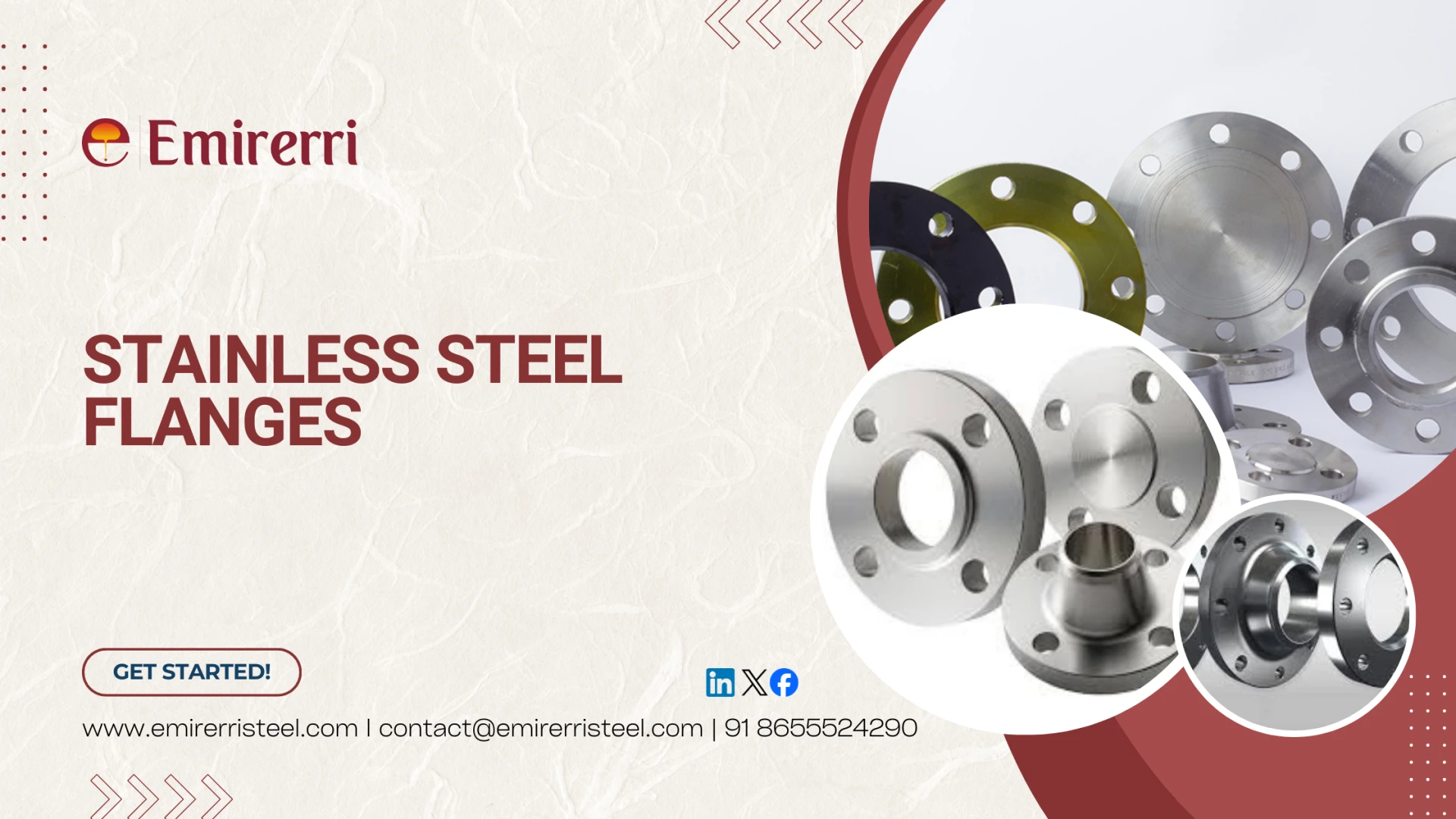
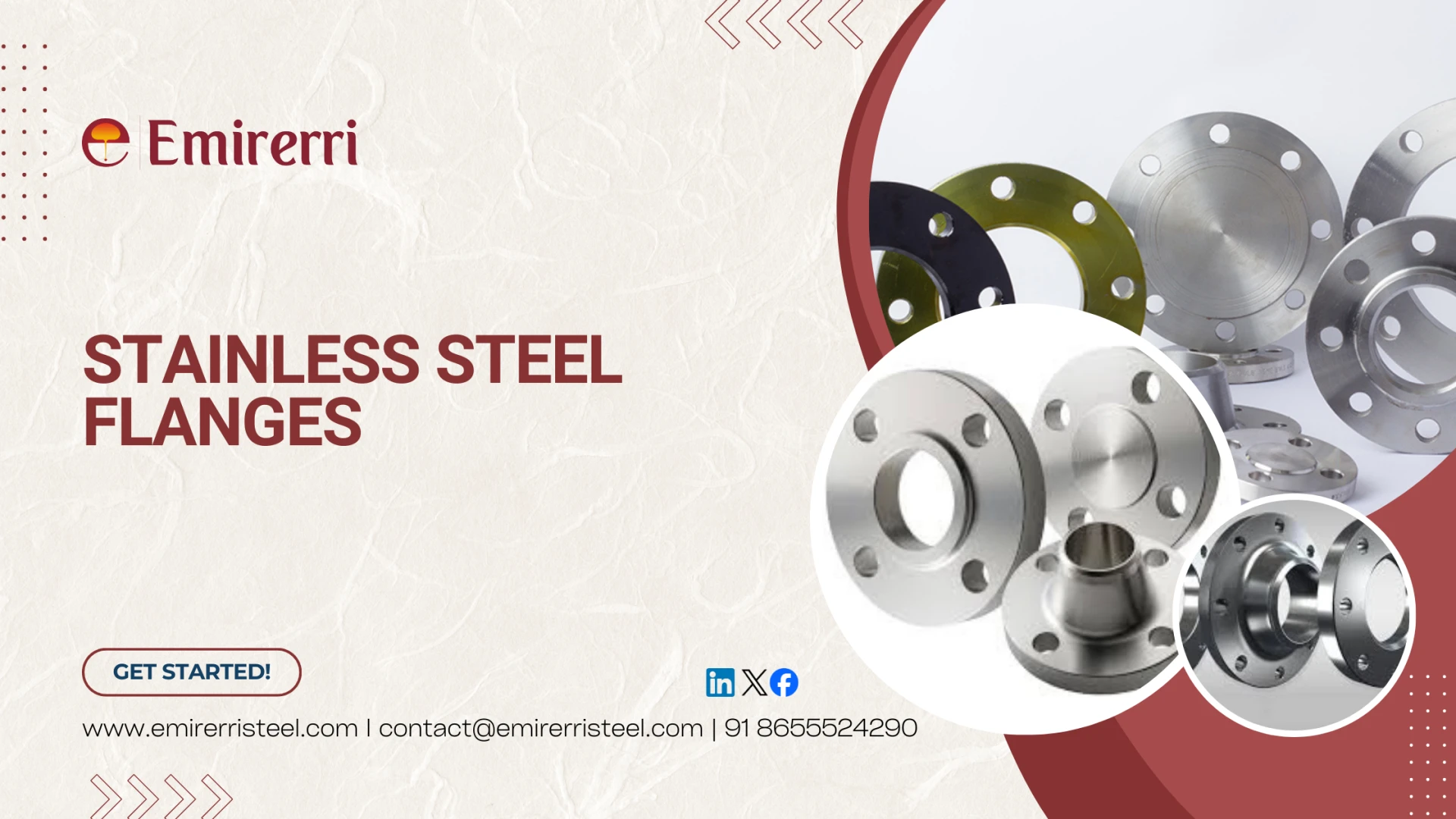
Stainless steel flanges are forged or cast fittings used to connect pipes, valves, and other equipment in piping systems. They provide easy assembly, disassembly, and maintenance of pipelines while ensuring leak-proof sealing.
Some key properties of stainless steel flanges include:
- High resistance to corrosion and rust
- Ability to withstand high pressure and temperature
- Long service life and durability
- Smooth surface finish for hygienic applications (e.g., food & pharmaceutical industries)
- Compliance with global standards like ASME and ASTM stainless steel flanges
Types of Stainless Steel Flanges
The types of stainless steel flanges vary depending on their design and application requirements. Below are the most commonly used ones:
- Weld Neck Flanges (WN):
- Have a long tapered hub.
- Ideal for high-pressure applications.
- Provide excellent stress distribution.
- Slip-On Flanges (SO):
- Easy to install and weld onto pipes.
- Suitable for low-pressure systems.
- Socket Weld Flanges (SW):
- Feature a socket for pipe insertion.
- Common in small-diameter, high-pressure piping.
- Blind Flanges (BL):
- Used to seal the ends of pipelines.
- Allow future expansion or maintenance.
- Threaded Flanges (TH):
- Screw directly onto threaded pipes.
- Useful where welding is not possible.
- Lap Joint Flanges (LJ):
- Used with stub ends.
- Provide flexibility in bolt alignment.
- Orifice Flanges:
- Designed with orifice plates for flow measurement.
- Reducing Flanges:
- Connect pipes of different sizes without requiring a separate reducer.
Each of these types of stainless steel flanges serves specific industrial needs, ensuring efficient and safe pipeline connections.
304 Stainless Steel Flanges
One of the most popular grades in the stainless steel family is 304 stainless steel flanges. This material is part of the austenitic stainless steel series and is well-known for its excellent corrosion resistance and versatility.
Key Properties of 304 Stainless Steel Flanges:
- Resistant to oxidation and rust in most environments
- Good strength at both high and low temperatures
- Excellent formability and weldability
- Cost-effective compared to higher grades like 316
Applications of 304 Stainless Steel Flanges:
- Food processing and beverage industries
- Chemical and pharmaceutical plants
- Marine environments
- Water treatment facilities
- Structural and architectural applications
304 grade is often the first choice when selecting stainless steel flanges due to its balance between cost, performance, and availability.
Stainless Steel Flanges – ASME Standards
The stainless steel flanges ASME standards are widely recognized across industries. ASME (American Society of Mechanical Engineers) defines the dimensions, tolerances, pressure ratings, and testing requirements for flanges.
Some key ASME standards for stainless steel flanges include:
- ASME B16.5: Pipe flanges and flanged fittings (up to 24” diameter).
- ASME B16.47: Large-diameter steel flanges (above 24”).
- ASME B16.36: Orifice flanges.
- ASME B16.48: Line blanks (spectacle blinds).
These standards ensure that stainless steel flanges ASME compliant products are suitable for global use and can be safely installed in critical applications.
ASTM Stainless Steel Flanges
Apart from ASME, the ASTM stainless steel flanges specifications define the material grades and mechanical properties of stainless steel used in flange manufacturing.
Some common ASTM standards include:
- ASTM A182: Standard for forged or rolled alloy and stainless steel pipe flanges.
- ASTM A240: Specification for stainless steel plate, sheet, and strip.
- ASTM A403: Standard for stainless steel fittings.
Compliance with ASTM stainless steel flanges ensures reliability, performance, and durability under varying industrial conditions.
Advantages of Stainless Steel Flanges
- Corrosion Resistance: Withstand harsh chemicals, acids, and environmental conditions.
- Strength & Durability: Handle high pressure and temperature.
- Versatility: Available in multiple sizes, types, and standards.
- Hygiene: Smooth surface prevents bacterial growth (ideal for food & pharma).
- Global Standards: Manufactured according to ASME and ASTM specifications.
Applications of Stainless Steel Flanges
- Oil & Gas Pipelines
- Power Generation Plants
- Chemical Processing Industries
- Marine & Shipbuilding
- Petrochemical Refineries
- Water Treatment & Desalination Plants
- Food & Beverage Industry
Conclusion
Stainless steel flanges are a critical component in modern piping systems, offering unmatched strength, corrosion resistance, and flexibility. Whether you require 304 stainless steel flanges for general applications or stainless steel flanges ASME and ASTM stainless steel flanges for high-pressure industrial use, choosing the right type ensures efficiency and safety in your operations.
From weld neck to blind, the types of stainless steel flanges cover a wide range of applications, making them indispensable in industries worldwide.