Blockchain technology has become an important part of discussions surrounding digital transformation, decentralized applications, and modern software architecture. Industries such as finance, gaming, digital asset management, and online entertainment are exploring how distributed systems can support new application models. Among these emerging areas, blockchain-powered sports gaming applications have attracted attention from software developers, technology companies, and businesses interested in decentralized infrastructure.
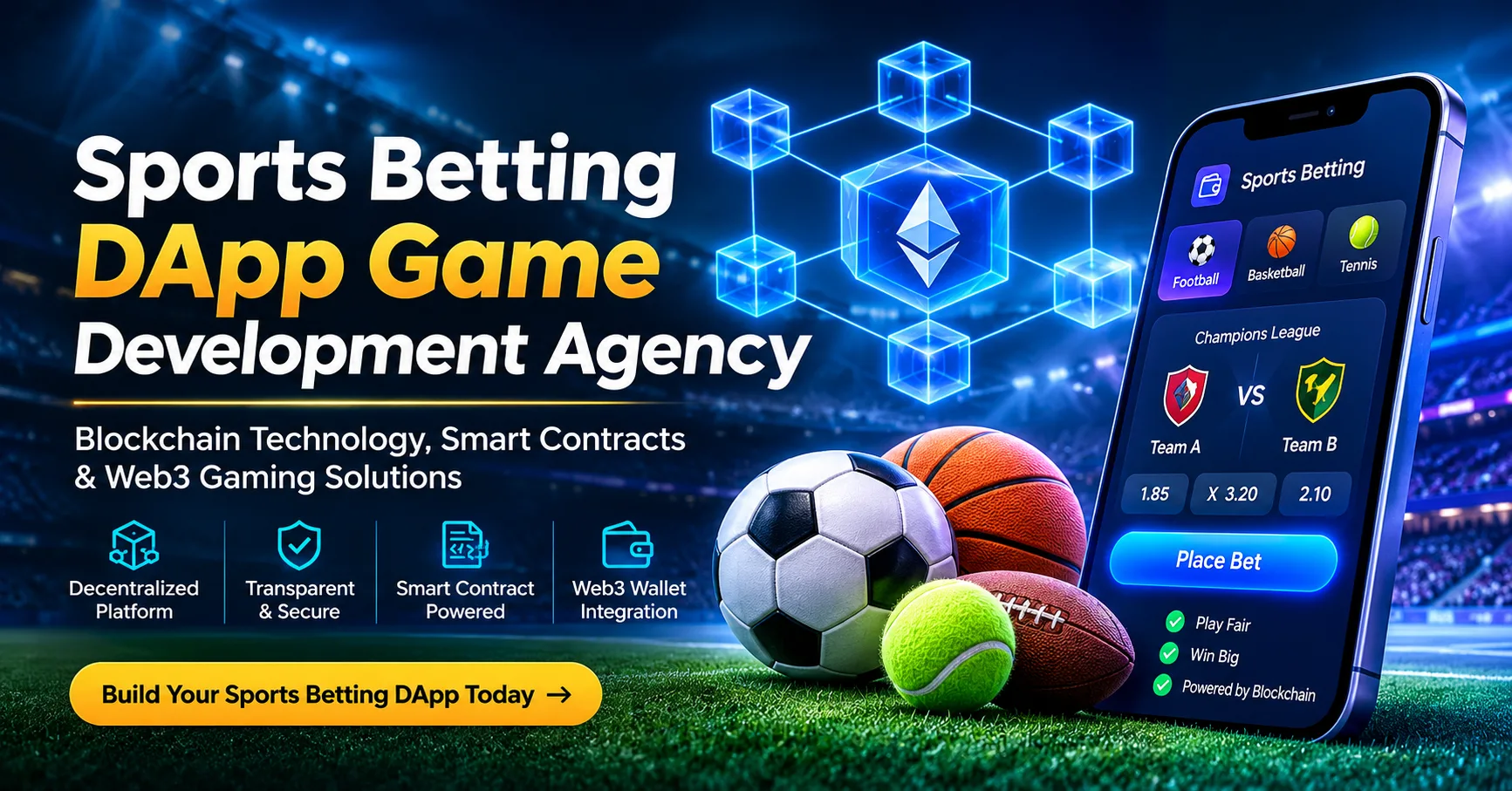
A Sports Betting DApp Game Development Agency focuses on software development services associated with blockchain-based sports gaming applications. Depending on the project, development work may involve smart contracts, Web3 integrations, blockchain connectivity, frontend design, backend systems, application testing, and technical maintenance.
The development of decentralized applications is not simply about integrating blockchain into an existing website. It requires a structured development process that considers architecture, performance, security, transaction handling, data reliability, accessibility, and regulatory compliance. Understanding these factors can help technology professionals and businesses evaluate the technical complexity of blockchain application development.
In this detailed guide, we explore sports betting DApp development, the technologies involved, development components, blockchain architecture, security considerations, testing methodologies, and the evolving role of decentralized applications in the digital gaming industry.
Understanding Sports Betting DApps
A decentralized application, or DApp, is an application that interacts with a blockchain network to perform specific operations. Depending on its architecture, a DApp may use smart contracts, blockchain-based records, distributed infrastructure, and traditional web technologies.
Sports-related betting DApps are applications associated with sports betting functionality that incorporate blockchain technology into some parts of their systems.
Traditional online applications generally depend on centralized servers, databases, and service providers to manage application operations. Blockchain-based applications may use distributed ledger technology to support specific functions, including transaction records and smart contract execution.
However, not every blockchain application is completely decentralized. Many modern DApps use hybrid systems that combine blockchain infrastructure with centralized backend services, external APIs, and conventional databases.
Understanding this distinction is important because decentralization can vary considerably between applications.
How Blockchain Technology Supports Decentralized Applications
Blockchain technology provides a distributed system for recording and verifying transactions. Rather than relying entirely on one centralized database, a blockchain network uses participating nodes and consensus mechanisms to maintain a shared ledger.
The following blockchain concepts are relevant to decentralized application development.
Distributed Ledger Technology
Distributed ledger technology allows transaction records to be maintained across a network of participating computers.
Blockchain records are organized into blocks that are connected through cryptographic mechanisms. This structure helps protect the integrity of previously recorded information and allows participants to verify certain transactions.
Distributed ledgers may be useful in applications where transaction traceability and verifiable records are important technical considerations.
Smart Contract Automation
Smart contracts are programs deployed on blockchain networks. They contain predefined instructions that can execute when certain conditions are met.
Smart contracts may support digital asset management, transaction verification, application logic, and other blockchain-based processes.
Their functionality depends on the code, blockchain network, and application architecture. Smart contracts are not automatically secure or free from errors simply because they operate on a blockchain.
Blockchain Transparency
Blockchain networks may allow users to independently verify certain recorded transactions.
Transparency depends on the network, application design, and the information recorded on the blockchain. Not all application data is publicly accessible, and some information may be processed outside the blockchain.
Cryptographic Security
Blockchain networks use cryptographic mechanisms to support transaction validation and protect data integrity.
These mechanisms play an important role in blockchain infrastructure, but they do not eliminate risks associated with software vulnerabilities, compromised credentials, malicious applications, or poorly implemented smart contracts.
What Does a Sports Betting DApp Game Development Agency Do?
A Sports Betting DApp Game Development Agency may provide software development and technical consulting services related to blockchain-powered gaming applications.
The services offered can vary depending on the agency's expertise, project requirements, and technology stack.
Blockchain Application Development
Blockchain application development involves designing software that interacts with blockchain networks and supports selected decentralized functionalities.
Development teams may work on application architecture, network integration, blockchain connectivity, and the technical components required to support the application.
Smart Contract Development
Smart contract development involves creating blockchain programs that execute predefined instructions.
Developers must consider code quality, network compatibility, security, testing, and the potential consequences of contract execution.
Web3 Application Integration
Web3 integration connects frontend applications with blockchain-based systems.
It may involve blockchain libraries, wallet interfaces, network communication, and transaction-related user interfaces.
UI and UX Development
User interface and user experience design are important parts of application development.
A well-designed interface should make application functionality understandable, accessible, and easy to navigate. In blockchain applications, developers should also explain transaction permissions, network interactions, and potential risks clearly.
Testing and Quality Assurance
Testing helps identify software errors, performance problems, and unexpected behavior before an application is deployed.
Quality assurance may include functional testing, integration testing, compatibility testing, performance testing, and security-related reviews.
Major Components of Sports Betting DApp Development
A blockchain-based application typically consists of several interconnected components. Each component plays a different role in the application's overall architecture.
1. Frontend Development
The frontend is the visible part of the application that users interact with.
Frontend development may include:
- Responsive website design
- Dashboard interfaces
- Navigation systems
- User account interfaces
- Accessibility improvements
- Frontend performance optimization
- Browser compatibility
Developers may use JavaScript frameworks such as React.js or Next.js to create modern web application interfaces.
The frontend communicates with backend services or blockchain networks depending on the application architecture.
2. Smart Contract Architecture
Smart contracts form an important part of many decentralized applications.
Depending on the application, smart contracts may support digital asset management, transaction-related logic, and predefined blockchain operations.
Smart contract architecture requires careful planning because blockchain transactions may have limited reversibility. Errors in deployed contracts can sometimes be difficult or expensive to correct.
Developers should consider code review, test environments, security audits, and deployment planning throughout the development process.
3. Blockchain Network Integration
Blockchain network integration allows an application to communicate with a blockchain.
Different networks offer different capabilities, transaction costs, performance characteristics, security models, and developer ecosystems.
Network selection should be based on the application's technical requirements rather than popularity alone.
Factors that may influence network evaluation include:
- Transaction processing characteristics
- Network security
- Developer support
- Ecosystem maturity
- Infrastructure availability
- Compatibility with required application components
- Operational costs
4. Backend Development
Although blockchain applications may use decentralized infrastructure, backend systems can still play an important role.
Backend services may support:
- Application data management
- API communication
- Account-related functionality
- Application monitoring
- Data processing
- Integration with external systems
- Administrative interfaces
A hybrid architecture can combine centralized services with blockchain functionality. However, the use of centralized components should be clearly understood when describing the degree of decentralization of an application.
5. Web3 Wallet Connectivity
Blockchain applications may use compatible digital wallets to support blockchain interactions.
Wallet connectivity introduces technical and security considerations, including permission management, transaction authorization, network compatibility, and user education.
Applications should clearly communicate the purpose of wallet interactions and avoid confusing or misleading permission requests.
6. API Integration
Application programming interfaces, or APIs, allow software systems to exchange information.
Blockchain applications may use APIs to communicate with external services, application data sources, and other software components.
API integration requires attention to availability, data quality, security, response handling, and the reliability of external services.
Technologies Used in Sports Betting DApp Development
The technology stack depends on the application's architecture, project requirements, and blockchain network.
| Technology | Role in Development |
| Solidity | Smart contract programming |
| Ethereum | Blockchain infrastructure |
| Polygon | Blockchain ecosystem and infrastructure |
| React.js | Frontend development |
| Next.js | Web application framework |
| JavaScript | Application programming |
| Ethers.js | Blockchain interaction library |
| Web3.js | Blockchain communication library |
| IPFS | Distributed file storage |
| Node.js | Backend application development |
| PostgreSQL | Relational database management |
Each technology serves a different purpose. A development team should select technologies based on compatibility, security, maintainability, and the requirements of the application.
The Importance of Smart Contract Security
Smart contract security is one of the most important considerations in blockchain application development.
Unlike conventional software systems, certain blockchain operations may be difficult to reverse after execution. This makes code quality, testing, and security reviews especially important.
Code Review
Code review helps identify programming errors, design issues, and potentially vulnerable components.
Experienced developers should review the smart contract code before deployment.
Security Auditing
Independent security audits can help identify vulnerabilities, weaknesses, and implementation risks.
An audit is not a guarantee that a smart contract is completely secure. Security assessments should be considered part of a broader risk-management process.
Testing Environments
Test environments allow developers to evaluate application functionality without relying on live transactions.
Testing can help identify errors, unexpected behavior, compatibility issues, and potential weaknesses.
Monitoring and Maintenance
Blockchain applications may require ongoing monitoring and maintenance.
Development teams may monitor application performance, external service availability, software dependencies, security issues, and changes within blockchain ecosystems.
Challenges in Blockchain-Based Sports Gaming Applications
Blockchain technology introduces opportunities for software development, but it also presents technical and operational challenges.
Scalability
Blockchain networks may experience congestion or changes in transaction costs.
Developers must consider scalability when evaluating blockchain infrastructure. Network performance, application requirements, and transaction characteristics can influence architecture decisions.
Data Reliability
Applications that rely on external information sources must consider the reliability and quality of the data they receive.
External data sources may experience delays, errors, outages, or inconsistencies.
Data verification and clear handling of uncertain or unavailable information are important technical considerations.
User Experience
Blockchain interactions can be unfamiliar to users who are accustomed to traditional applications.
Application interfaces should explain relevant technical processes, provide understandable feedback, and avoid unnecessary complexity.
Accessibility and usability testing can help improve the overall application experience.
Privacy and Data Protection
Blockchain application development must consider privacy and data protection.
Public blockchain records may be difficult to remove or modify. Developers should carefully evaluate what information is recorded on a blockchain and avoid exposing personal or sensitive information unnecessarily.
Regulatory Complexity
Sports betting and gambling-related applications may be subject to laws and regulations that differ across countries and regions.
Legal requirements may involve licensing, age restrictions, consumer protection, data privacy, financial regulations, and other obligations.
Blockchain-based functionality does not remove these legal requirements. Businesses should seek qualified legal advice before considering the operation of any betting-related application.
How a Blockchain Application Development Process Works
A structured development process helps teams manage technical requirements and project risks.
Step 1: Requirement Analysis
The development process begins with understanding the application's purpose, technical requirements, and operating constraints.
Requirement analysis helps identify necessary software components, integration requirements, security considerations, and regulatory obligations.
Step 2: Architecture Planning
Architecture planning involves selecting the technical components that will support the application.
This may include frontend technologies, blockchain networks, smart contracts, backend services, data storage, and API integrations.
Step 3: UI and UX Design
Design teams create application layouts, user journeys, and interface prototypes.
The design process should focus on usability, accessibility, understandable information, and clear communication of technical risks.
Step 4: Development
Developers build the application components according to the planned architecture.
Frontend, backend, and blockchain development may take place in parallel depending on project complexity.
Step 5: Testing
Testing evaluates the application under different conditions.
The testing process may include functionality testing, integration testing, performance testing, compatibility testing, and security assessments.
Step 6: Deployment and Maintenance
Deployment involves preparing the application for its intended operating environment.
Maintenance may include software updates, monitoring, bug fixes, infrastructure management, and security reviews.
What to Consider When Evaluating a DApp Development Agency
Selecting a blockchain development agency requires careful evaluation of its technical capabilities and development practices.
Technical Experience
Review the agency's experience with blockchain technology, application development, software architecture, and relevant integrations.
Technical experience should be evaluated through verifiable work and an understanding of the agency's development process.
Development Transparency
A professional development process should include clear project documentation, communication, development milestones, and testing procedures.
Transparency can help stakeholders understand technical decisions and project progress.
Security Practices
Security should be considered throughout development.
Businesses should evaluate code review practices, security testing, independent audits, and ongoing maintenance procedures.
Technical Support
Application development does not necessarily end after deployment.
Maintenance, monitoring, software updates, and technical support may be important depending on the application's operating requirements.
Compliance Awareness
Betting-related software may involve significant legal and regulatory requirements.
An agency's technical expertise should not be confused with legal expertise. Independent legal review is essential for evaluating whether an application can be developed, distributed, or operated in particular jurisdictions.
Blockchain Gaming Beyond Betting Applications
Blockchain technology is not limited to sports-related betting applications.
The same underlying technologies may also be explored in other digital gaming and
entertainment applications.
Examples include:
- Blockchain-based digital collectibles
- Decentralized gaming ecosystems
- Digital asset management
- Gaming-related marketplaces
- Virtual environments
- Blockchain identity systems
- Distributed digital ownership applications
These applications may use different blockchain components depending on their requirements.
Exploring non-betting applications can also help developers understand blockchain technology without the additional legal and consumer-protection considerations associated with gambling-related services.
Future Perspectives on Blockchain Application Development
The blockchain ecosystem continues to evolve as developers, researchers, and technology companies explore new approaches to distributed systems.
Future development discussions may focus on improved scalability, better application interfaces, stronger security practices, interoperability, and more efficient infrastructure.
Blockchain development is also becoming increasingly connected with broader software engineering practices. Traditional backend development, frontend engineering, cloud infrastructure, database management, cybersecurity, and distributed systems remain relevant to many blockchain projects.
Rather than treating blockchain as an isolated technology, developers should understand how it fits into the wider software ecosystem.
The future of decentralized application development will depend not only on technical innovation but also on security, transparency, usability, responsible design, and regulatory clarity.
Conclusion
Sports betting DApp development combines blockchain technology, smart contracts, frontend development, backend infrastructure, API integration, and software security. A Sports Betting DApp Game Development Agency may work across these technical areas to develop blockchain-based gaming software.
However, the quality of a decentralized application depends on more than its technology stack. Application architecture, security practices, data reliability, accessibility, privacy, and regulatory compliance are all important considerations.
Blockchain technology continues to expand its role within digital software development. Understanding its capabilities, limitations, and practical applications can help developers and technology professionals evaluate decentralized applications more effectively.
As the ecosystem evolves, responsible development practices and transparent communication will remain important foundations for building and maintaining blockchain-based software.