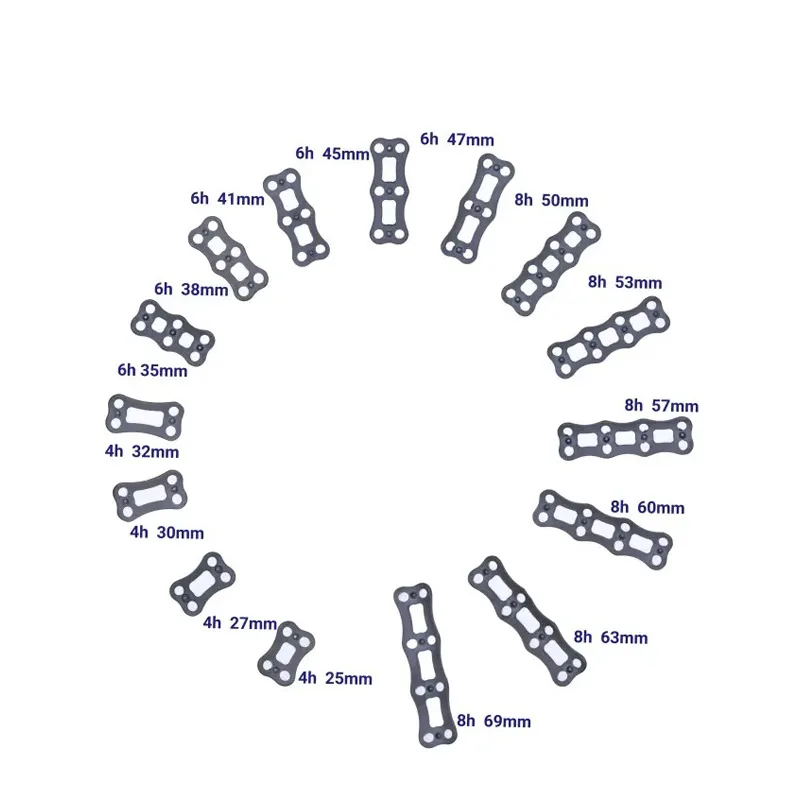
Spinal internal fixation system is a crucial medical device in the field of modern spinal surgery, which is widely used in the treatment of various spinal diseases. It precisely anchors specific implants (such as metal screws, rods, plates, etc.) to parts of the spine such as vertebral bodies or pedicles through surgical procedures, so as to achieve stabilization, support and correction of the diseased spine, and ultimately help patients restore the normal anatomical structure, stability and corresponding physiological functions of the spine.
Main Types of Spinal Internal Fixation Systems1. Pedicle Screw System
The pedicle screw system is one of the most widely used and mature spinal internal fixation systems in clinical practice at present. Its core principle is to implant specially designed screws safely and accurately into the pedicles of vertebral bodies, and then connect these screws to each other through components such as connecting rods and plates to form a strong internal fixation framework. This system can provide powerful three-dimensional fixation force, effectively correct spinal deformities, stabilize spinal fractures, and create favorable conditions for spinal fusion, making it suitable for a variety of spinal trauma, degenerative and deformity diseases.
2. Vertebroplasty System
The vertebroplasty system is mainly used for the treatment of spinal compression fractures, especially osteoporotic vertebral compression fractures. This system uses minimally invasive technology to directly inject biocompatible materials such as bone cement into the damaged vertebral body. After the bone cement solidifies, it can rapidly enhance the strength and stiffness of the vertebral body, restore the height of the vertebral body, thereby effectively relieving pain, preventing further collapse of the fracture, and improving the patient's mobility.
3. Spinal Fusion System
The spinal fusion system is often used to treat severe spinal deformities (such as scoliosis), spinal degenerative diseases (such as intervertebral disc herniation, spinal stenosis) and certain conditions of spinal instability. During the operation, the surgeon first removes the diseased intervertebral disc tissue, then implants a bone graft or fusion device between adjacent vertebral bodies, and fixes it with internal fixation instruments such as plates, screws and connecting rods. Its purpose is to promote osseous fusion between adjacent vertebral bodies to form a stable whole, so as to eliminate abnormal movement and relieve symptoms.
4. Spinal Non-fusion System
The spinal non-fusion system, also known as the dynamic stabilization system, is a new type of spinal internal fixation concept developed in recent years. It is mainly applicable to certain specific types of spinal degenerative diseases, aiming to provide necessary stability while preserving the normal physiological range of motion of the spinal segment as much as possible, avoiding or reducing problems such as accelerated adjacent segment degeneration caused by fusion. This system usually uses elastic connecting rods or other devices with a certain degree of mobility to achieve dynamic fixation and support.
Application and Selection of Spinal Internal Fixation Systems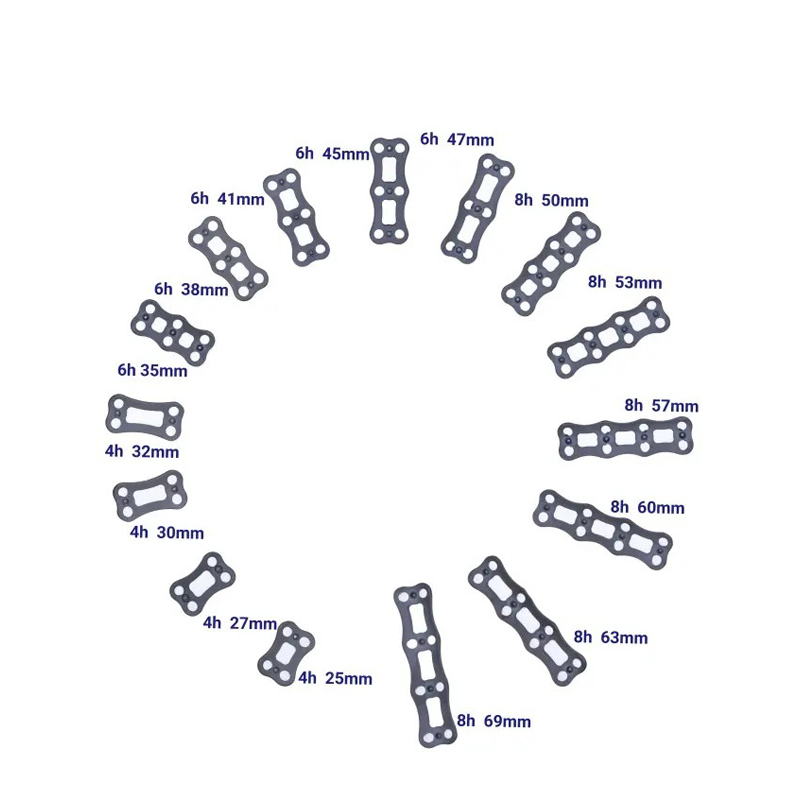
The application of spinal internal fixation system is a rigorous medical practice that requires precise surgical operation by experienced spinal surgeons. After the operation, patients also need to follow professional rehabilitation guidelines for careful care to ensure the surgical effect, prevent complications and promote functional recovery.
When selecting a spinal internal fixation system, doctors will comprehensively consider multiple factors such as the patient's specific condition (such as disease type, severity, involved segment), age, physical condition, bone quality, as well as the patient's individual needs and expectations, to formulate a personalized treatment plan. Only by selecting the most suitable internal fixation system and surgical method for the patient can the best therapeutic effect be achieved and help the patient restore a healthy life to the greatest extent.
In conclusion, the spinal internal fixation system has brought good news to numerous patients with spinal diseases and is an indispensable and important means in spinal surgery treatment. With the continuous advancement of medical technology, spinal internal fixation systems are also continuing to develop in the direction of being more minimally invasive, more precise, and more in line with human physiological needs.