Singapore's roads have a reputation for being among the most disciplined in Southeast Asia. Clean lane markings, well-maintained signage, and strictly enforced traffic cameras all play a part. But anyone who actually manages a commercial fleet in the city-state knows that staying compliant and safe takes more than good infrastructure.
It takes the right tools, the right policies, and increasingly, the right technology installed inside the vehicle itself. Over the past few years, speed management has shifted from a niche concern into a core part of how transport companies, logistics operators, and private bus services run their businesses.
Some of the change is regulatory. The Land Transport Authority maintains strict limits for heavy goods vehicles and buses, and enforcement has tightened with the wider use of average-speed cameras and telematics audits. Some of it is commercial — insurers reward safer fleets, fuel costs drop when vehicles aren't pushed hard, and clients increasingly want proof that their cargo is being moved responsibly.
This is one reason fleet managers across the island are looking more carefully at choosing a speed limiter device singapore operators can actually trust day-to-day, rather than treating it as a tick-box compliance purchase. The conversation has shifted from "do we need one" to "which one fits our specific operation, and what does it give us beyond the legal minimum?"
Why Speed Limiters Matter for Singapore Fleets
Heavy vehicles in Singapore are subject to lower speed ceilings than passenger cars. School buses, private hire buses, and certain categories of goods vehicles all fall under specific speed regimes set by the LTA.
Operators are expected to keep these vehicles within those limits not just on paper, but in practice. Random checks, accident investigations, and insurance claim disputes routinely involve a look at how the vehicle was being driven in the moments leading up to an event.
This is where electronic speed limiters come in. Rather than relying purely on driver discipline — which varies depending on fatigue, traffic pressure, or simple habit — a properly fitted limiter caps the vehicle's top speed at a set figure. The driver can still accelerate, brake, and respond normally to traffic. They simply cannot exceed the threshold the operator has set.
Singapore's Speed Limit Regulations Explained
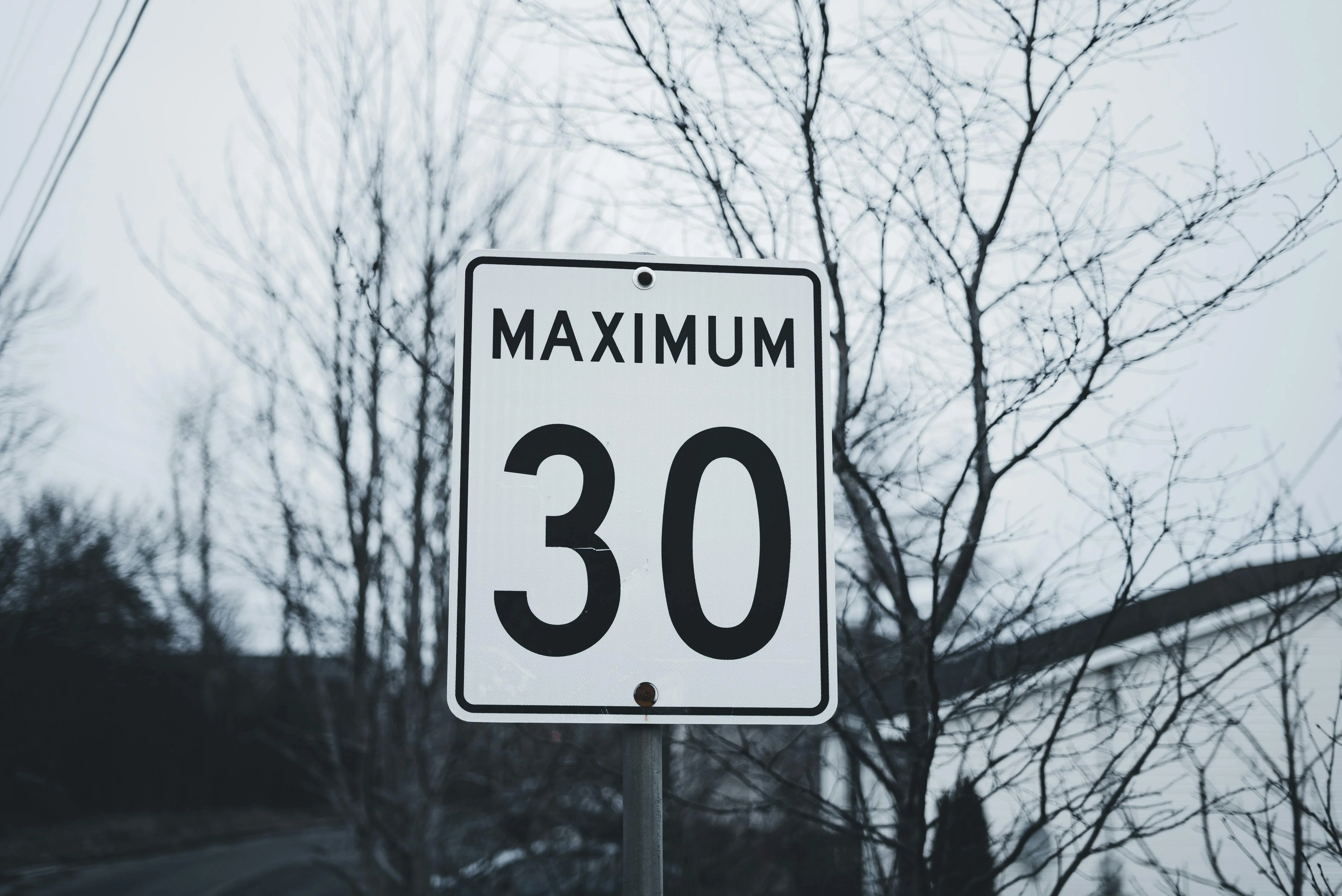
Singapore's framework for commercial vehicle speed is straightforward but unforgiving. Heavy goods vehicles, buses, and certain commercial categories operate under tighter ceilings than the standard 90 km/h expressway limit that applies to cars.
Enforcement is multi-layered. Fixed cameras, mobile units, average-speed sections, and telematics records can all be used to establish how a vehicle was operating. For a fleet operator, this means a single driver's bad day can become a documented compliance issue with real financial consequences.
A speed limiter removes that variability at source. The vehicle physically cannot break the threshold, regardless of who is behind the wheel.
Benefits Beyond Compliance
A decade ago, many fleets installed limiters because they had to. Today, the more interesting trend is operators choosing to install them across vehicle categories that aren't strictly required to have them — light commercial vans, company cars, even some pool vehicles. The reasoning is straightforward.
Fuel Savings
Fuel is one of the largest controllable costs in any commercial fleet, and speed has a non-linear relationship with consumption. A van driven consistently at 100 km/h burns noticeably more fuel than the same van driven at 90, even on similar routes.
Multiply that across hundreds of trips a month and the savings become significant. For larger fleets, the fuel reduction alone can pay back the cost of installation within a year.
Lower Maintenance Costs
Engines, tyres, brakes, and transmissions all wear faster when vehicles are driven aggressively. Limiting top speed flattens the wear curve and extends service intervals.
On a fleet of any size, longer intervals between brake jobs, tyre changes, and engine servicing add up to meaningful annual savings.
Reduced Liability and Insurance Premiums
Singapore's accident liability landscape is unforgiving. A fleet that can demonstrate it has hard, technical controls in place — not just policies in a handbook — is in a much stronger position when something goes wrong.
Insurers have noticed this too. Many now factor speed-control hardware into their underwriting and offer better pricing for fleets that have it installed.
How Modern Speed Limiter Devices Work
The phrase "speed limiter" can be a little misleading, because most modern devices do far more than just cap a top number. A typical contemporary unit will integrate with the vehicle's electronic engine management, log speed and location data continuously, and feed that information back to a central dashboard the operator can review.
That means a fleet manager can see not just whether a driver hit the limit, but how often they pushed against it, where on the route the hardest driving happened, and whether certain shifts or routes correlate with riskier behaviour. The limiter becomes both a passive safety device and an active source of operational insight.
Some systems also include features like over-speed alerts that warn the driver audibly before the cap kicks in, geofencing that adjusts the limit based on the type of road, and integration with other safety hardware such as fatigue monitors and dashcams. For operators running mixed fleets across the island and into Malaysia, the ability to set different speed profiles for different jurisdictions is particularly useful.
What to Look for When Choosing a Speed Limiter
Not every device is built to the same standard. Singapore's operating environment — humid, high-traffic, hard on electronics — has a way of exposing weak hardware quickly. Operators evaluating their options usually look at four practical criteria.
Compatibility
The device needs to work cleanly with the vehicle's existing electrical and engine systems, without triggering warning lights or interfering with manufacturer warranties. Local installation expertise matters here, because a poorly installed limiter can cause more problems than it solves.
Tamper Resistance
A limiter is only useful if it can't be casually disabled by a driver who wants to make up time on a route. Reputable systems include sealed housings, tamper logs, and alerts that flag any attempt to interfere with the unit.
Data and Reporting
A modern operator wants to see speed data alongside other telematics — route adherence, idling time, harsh braking, harsh cornering — in a single view. Devices that integrate with mainstream fleet management platforms tend to be easier to live with long-term than closed, proprietary systems.
Local Support and Serviceability
Vehicles get into accidents, electronics occasionally fail, drivers raise complaints. Having a supplier that can respond quickly, recalibrate units, and provide replacement parts without long lead times is often the difference between a system that quietly works in the background and one that becomes a recurring headache.
The Cultural Shift Toward Proactive Fleet Safety
What's perhaps most interesting about the current moment in Singapore is that speed management is no longer being framed as a punishment for drivers. The better operators have realised that hardware controls, used well, actually take pressure off drivers.
A driver who knows the vehicle physically cannot exceed a certain speed is freed from the temptation — and the implicit pressure from dispatchers or customers — to make up time unsafely. The system carries the rule, not the individual.
This shift is reflected in how training is changing too. Fleets that have invested in speed-control technology often pair it with refresher courses, in-cab coaching based on telematics data, and incentive programs that reward consistent, smooth driving rather than just on-time delivery.
There is also a generational element. Younger drivers entering the industry have grown up with smartphones, tracked work, and dashboard data as normal parts of life. The presence of a speed limiter rarely feels intrusive to them in the way it might have to a driver who started thirty years ago.
Final Thoughts
Singapore's roads will continue to evolve. Autonomous freight trials, electric commercial vehicles, and tighter emissions rules are all on the horizon, and each will reshape how fleets are managed. But the underlying principle — that a vehicle should be operated within sensible, enforceable limits — is not going anywhere.
For fleet operators weighing their next steps, the practical advice is simple. Treat speed management as a foundational layer, not an afterthought. Choose hardware that gives you data as well as control. Train drivers around the system, not against it.
And measure the results, because the savings — in fuel, in maintenance, in insurance premiums, and in incidents avoided — tend to show up faster than most operators expect. Singapore earned its reputation for orderly roads through decades of steady investment in standards. The next chapter of that story is being written one fleet at a time.