
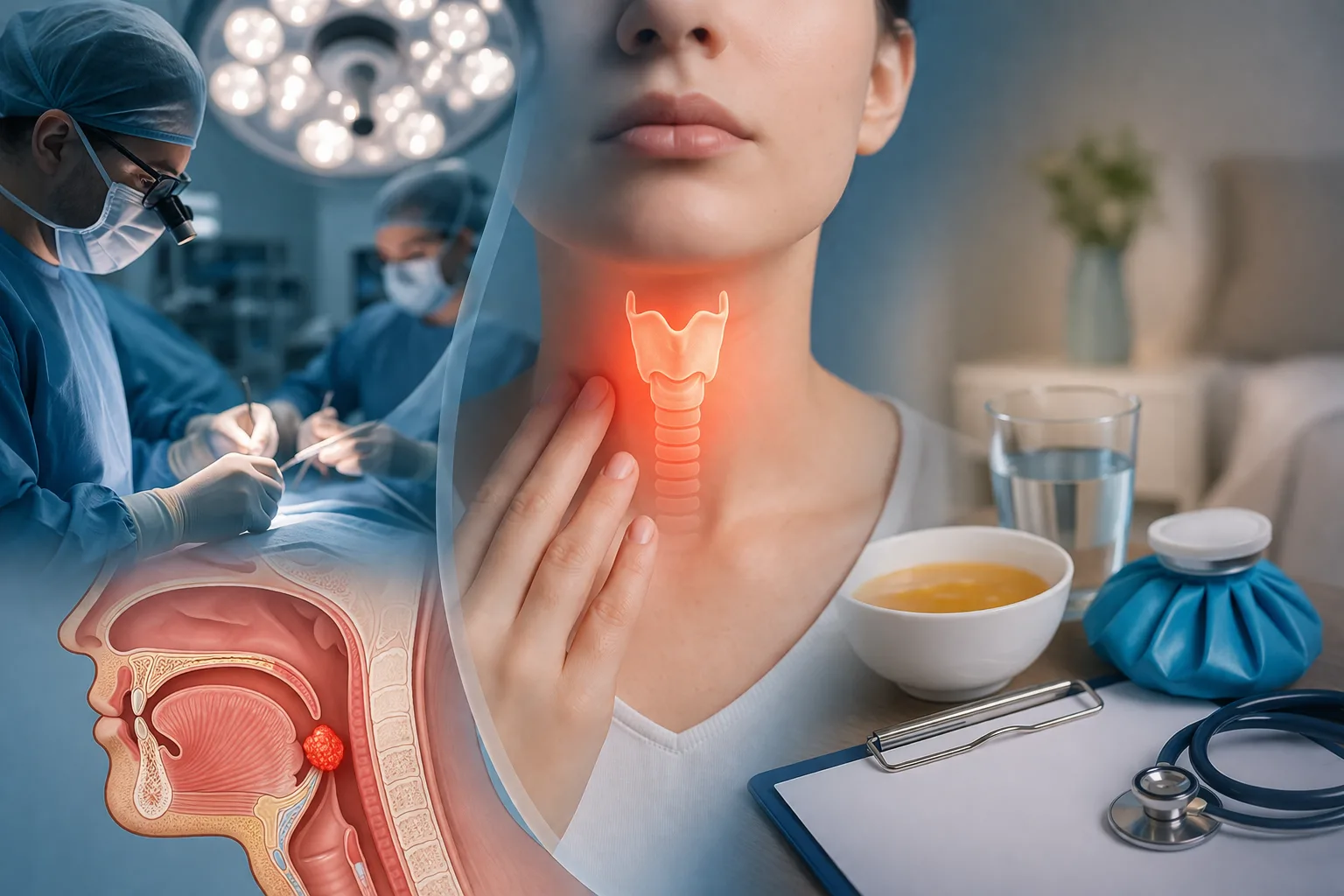
Throat cancer surgery can be life-saving, but it often brings significant changes to essential daily functions like speaking and swallowing. These functions are closely connected to the structures in the throat, including the larynx (voice box), pharynx, and surrounding muscles. When surgery is performed to remove cancer, these areas may be partially or fully altered, affecting how a person communicates and eats.
Understanding what to expect after surgery—and how recovery works—can help patients and caregivers prepare both physically and emotionally. With the right guidance, therapy, and support, many patients regain functional speech and swallowing abilities over time.
Why Speech and Swallowing Are Affected
The throat plays a critical role in both speech production and swallowing. During speech, the vocal cords vibrate to produce sound, while the tongue, lips, and throat shape that sound into words. During swallowing, multiple muscles coordinate to safely move food from the mouth to the esophagus while protecting the airway.
When surgery is performed for throat cancer, it may involve:
- Partial or complete removal of the larynx (laryngectomy)
- Removal of parts of the pharynx (pharyngectomy)
- Reconstruction using tissue from other parts of the body
These procedures can disrupt normal anatomy, leading to:
- Difficulty producing voice or changes in voice quality
- Trouble swallowing (dysphagia)
- Risk of aspiration (food or liquid entering the airway)
The extent of these changes depends on the size, location, and stage of the tumor, as well as the type of surgery performed.
Speech Changes After Surgery
1. Loss or Alteration of Voice
In cases where the vocal cords are removed, patients lose their natural voice. However, alternative methods of communication can help restore speech.
Some common options include:
- Esophageal speech: Learning to use the esophagus to produce sound
- Electrolarynx: A handheld device that creates vibrations to form speech
- Tracheoesophageal puncture (TEP): A surgical method that allows voice production using a small valve
Each method has its own learning curve, and speech therapists play a crucial role in helping patients adapt.
2. Hoarseness or Weak Voice
If only part of the larynx is removed, patients may still retain their voice, but it may sound hoarse, weak, or breathy. Voice therapy can help improve clarity and strength over time.
3. Emotional Impact
Speech is closely tied to identity and social interaction. Losing or altering one’s voice can lead to frustration, anxiety, or reduced confidence. Emotional support and counseling are often as important as physical rehabilitation.
Swallowing Difficulties After Surgery
Swallowing problems are very common after throat cancer surgery. Patients may experience:
- Difficulty chewing or moving food in the mouth
- Sensation of food getting stuck
- Pain while swallowing
- Coughing or choking during meals
1. Dysphagia (Swallowing Disorder)
Dysphagia occurs when the muscles involved in swallowing are weakened or disrupted. It can affect nutrition and hydration, making proper management essential.
2. Risk of Aspiration
When food or liquid enters the airway instead of the esophagus, it can lead to coughing or serious complications like aspiration pneumonia. This risk is carefully evaluated during recovery.
Role of Speech and Swallowing Therapy
Rehabilitation is a key part of recovery. Speech-language pathologists (SLPs) work closely with patients to improve both communication and swallowing function.
Speech Therapy Includes:
- Voice training exercises
- Learning alternative speech methods
- Breathing and articulation techniques
Swallowing Therapy Includes:
- Exercises to strengthen throat muscles
- Techniques to improve swallowing safety
- Postural adjustments while eating
- Diet modifications (soft foods, thickened liquids)
Therapy often begins soon after surgery and continues for weeks or months, depending on individual progress.
Nutritional Support During Recovery
Because swallowing can be difficult initially, patients may require temporary alternative feeding methods such as:
- Nasogastric (NG) tube
- Gastrostomy (PEG) tube
These methods ensure proper nutrition while the patient gradually regains the ability to eat orally. Over time, most patients transition back to normal or modified diets.
A dietitian often works alongside the medical team to ensure:
- Adequate calorie intake
- Proper hydration
- Safe food textures
Timeline of Recovery
Recovery varies widely depending on the type of surgery and the individual’s overall health.
Early Phase (First Few Weeks)
- Swelling and discomfort are common
- Speech may be absent or very limited
- Swallowing may require assistance or tube feeding
Intermediate Phase (1–3 Months)
- Gradual improvement in swallowing
- Start of speech therapy and communication training
- Introduction of soft or modified foods
Long-Term Phase (3 Months and Beyond)
- Continued improvement with therapy
- Adaptation to new speech methods
- Return to more normal eating patterns (in many cases)
Consistency with therapy plays a major role in long-term outcomes.
Tips for Managing Speech and Swallowing
Patients can take several practical steps to make recovery smoother:
For Speech:
- Practice regularly with a speech therapist
- Use communication aids (writing, apps, devices)
- Stay patient—progress takes time
For Swallowing:
- Eat slowly and take small bites
- Sit upright during and after meals
- Follow recommended diet textures
- Avoid dry or hard-to-swallow foods initially
Importance of a Multidisciplinary Approach
Successful recovery after throat cancer surgery requires a team effort. This typically includes:
- Surgical oncologist
- Speech-language pathologist
- Dietitian
- Physiotherapist
- Psychologist or counselor
Patients seeking the best throat cancer surgery in Ahmedabad should look for centers that provide comprehensive care, including rehabilitation services. Surgery is only one part of the journey—recovery and quality of life depend heavily on post-operative support.
Psychological and Social Adjustment
Adjusting to changes in speech and swallowing can be challenging. Patients may feel isolated or self-conscious in social situations. Support from family, friends, and support groups can make a significant difference.
Counseling and patient support groups help individuals:
- Share experiences
- Learn coping strategies
- Build confidence in communication
Advances in Surgical Techniques
Modern surgical approaches aim to preserve as much function as possible. Minimally invasive techniques, robotic surgery, and advanced reconstruction methods have improved outcomes significantly.
These advancements help:
- Reduce damage to surrounding tissues
- Improve chances of speech preservation
- Enhance swallowing recovery
Choosing the best throat cancer surgery in Ahmedabad often means access to these advanced techniques along with experienced specialists.
Long-Term Outlook
While some patients may experience permanent changes, many are able to regain functional speech and swallowing with time and therapy. The key factors influencing recovery include:
- Type and extent of surgery
- Early initiation of rehabilitation
- Patient motivation and consistency
- Overall health and nutrition
Regular follow-ups are essential to monitor progress and address any complications early.
Conclusion
Speech and swallowing are deeply personal and essential aspects of daily life. Throat cancer surgery can disrupt these functions, but with the right treatment, rehabilitation, and support, recovery is achievable.
Patients should be well-informed and prepared for the journey ahead. Seeking care from experts offering the best throat cancer surgery in Ahmedabad ensures not only effective cancer treatment but also a strong focus on quality of life after surgery.
With patience, therapy, and a supportive care team, many individuals go on to lead fulfilling lives, adapting successfully to changes and regaining independence in communication and eating.