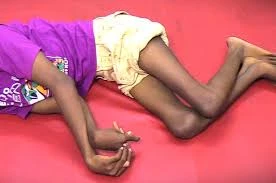
Spastic Quadriplegic Cerebral Palsy is the most severe form of cerebral palsy, affecting movement and muscle control in all four limbs—both arms and legs—as well as the trunk, face, and mouth.
Because of the extensive muscle stiffness and coordination challenges, children with this condition often experience difficulties in speaking, swallowing, and communicating effectively. Speech and language therapy plays a crucial role in helping these children improve their ability to express themselves and engage meaningfully with others.
Understanding Communication Challenges in Spastic Quadriplegic Cerebral Palsy
Children with Spastic Quadriplegic Cerebral Palsy often have tight facial and oral muscles, making it difficult to control tongue and lip movements. This results in slurred or unclear speech (dysarthria) and challenges with swallowing (dysphagia).
Some children may also face delays in understanding language or forming words due to associated neurological impairments. These communication barriers can impact social interaction, learning, and overall emotional development.
How Speech and Language Therapy Helps
Speech-language pathologists (SLPs) design personalized therapy programs to address both speech production and comprehension. Therapy typically focuses on strengthening oral muscles through specific exercises that enhance breath control, tongue movement, and lip coordination. These activities help children produce clearer sounds and improve overall speech intelligibility.
For children with severe motor limitations, therapists often introduce augmentative and alternative communication (AAC) systems such as picture boards, sign language, or electronic communication devices. These tools allow children to express their thoughts and needs effectively, fostering better communication with family members and teachers.
Feeding and Swallowing Support
Speech therapy also addresses feeding and swallowing difficulties common in Spastic Quadriplegic Cerebral Palsy. Through guided exercises, therapists help children develop safer swallowing patterns, reducing the risk of choking or aspiration. Parents are trained to follow these techniques at home for consistency and safety.
Empowering Communication and Confidence
Regular speech and language therapy sessions can significantly enhance a child’s ability to interact with others, thereby boosting their confidence and independence. Early intervention, combined with a supportive environment, enables children with Spastic Quadriplegic Cerebral Palsy to reach their full communication potential and enhance their overall quality of life.