In many OEM environments, copper cables sitting quietly inside machines, vehicles and systems are rarely discussed until something goes wrong. A test failure delays production. A shipment gets held up due to missing compliance documents. A product recall traces back to a cable that did not perform as expected under load. These moments are becoming more common as OEM products grow more complex and regulations tighten across global markets.
As we move into 2026, OEMs can no longer afford to treat copper cables and copper wires as standard line items. They are now closely tied to reliability, safety, approvals, and long term brand trust. This shift is pushing manufacturers to look deeper into specifications, compliance, and testing, not as formalities but as foundations.
This article looks at what truly matters when selecting cable solutions and wire solutions for OEM applications, and why these decisions deserve more attention than they often receive.
Understanding Copper Cable Specifications for OEM Applications
What OEM Grade Specifications Really Mean
Specifications are often viewed as technical details meant only for engineers. In reality, they influence how smoothly an OEM operation runs. When we talk about copper cables for OEM use, specifications go beyond conductor size on a datasheet.
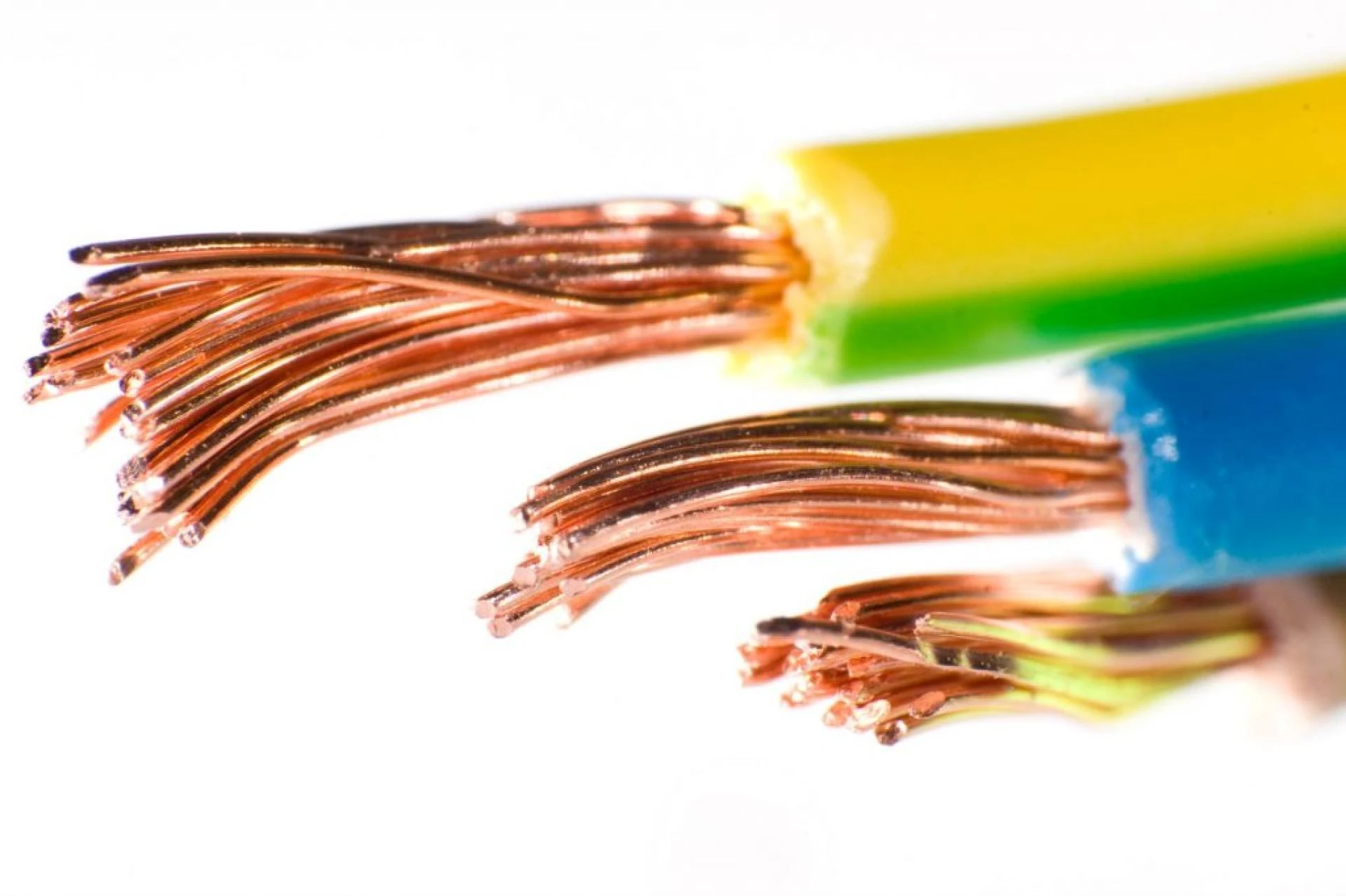
They include conductor purity, stranding construction, insulation material, temperature rating, voltage class and flexibility. Each of these elements affects how the cable behaves during installation and over the years of use. For example, a cable that looks fine on paper may crack during bending if the stranding is not suited for repetitive movement.
OEMs working with copper wires in automotive, appliances or industrial equipment need consistency. Even a small variation in conductor resistance can impact performance across thousands of units.
Benchmarks That Define Acceptable Performance
Copper remains the global benchmark for electrical conductors due to its high conductivity. According to the International Copper Association, copper offers electrical conductivity of around 58 MS per meter at 20 degrees Celsius. This is why copper cables continue to dominate critical OEM applications where efficiency and heat control matter.
Industry standards define acceptable limits for resistance, elongation and thermal stability. These benchmarks help ensure that wire solutions perform consistently under real operating conditions and not just in controlled environments.
Applying Specifications on the Production Floor
Specifications are not just design references, they directly affect how smoothly production runs on the shop floor. Incorrect insulation thickness can cause crimping issues. If the stranding design does not match the bending and routing needs of the assembly line, harnessing takes longer and handling becomes inconsistent. Small delays at each station add up across high-volume production.
OEMs that align specifications with actual application conditions see fewer interruptions and better process stability. This is where well-engineered cable solutions quietly support productivity.
Compliance Standards OEMs Cannot Ignore
Compliance as a System, Not a Certificate
Compliance is often reduced to a list of certifications. In practice, it is a system that connects materials, processes, testing and documentation. For OEMs supplying to multiple markets, compliance with standards such as UL, IEC, IS and RoHS is non-negotiable.
When copper wires move across borders, documentation becomes as important as performance. Missing or inconsistent compliance records can delay shipments or trigger audits.
The Cost of Treating Compliance as Optional
Industry trade data shows that a significant portion of export rejections in electrical components stems from documentation and compliance gaps rather than product defects. This highlights a simple truth. Even reliable copper cables lose value if compliance is not properly managed.
OEMs face additional risks such as supplier disqualification and loss of approved vendor status. These outcomes are far more costly than investing in compliant wire solutions from the start.
Turning Compliance into an Advantage
OEMs that work with compliant cable solutions gain more than regulatory approval. They gain confidence during audits, smoother onboarding with global customers and faster access to new markets.
Compliance also strengthens internal quality systems. It brings structure to sourcing decisions and reduces uncertainty across the supply chain.
Testing Protocols That Define Reliable Copper Cables
Essential Tests That Validate Performance
Testing is where specifications and compliance come together. Routine tests such as conductor resistance measurement, insulation resistance testing and high voltage testing confirm that copper cables meet defined standards batch after batch.
According to IEC technical publications, proper conductor and insulation testing can reduce electrical failure risk in industrial applications by up to 40%. This reduction directly impacts warranty costs and customer satisfaction.
What OEM Quality Teams Look For
OEM quality teams do not just look for pass or fail results. They review trends, consistency, and traceability. Testing data should clearly link each batch of copper wires to its production and raw material sources.
This level of transparency builds trust. It also helps OEMs respond quickly if an issue arises in the field.
Using Testing to Prevent Field Failures
Field failures often trace back to overlooked testing gaps. Overheating, voltage drop, or insulation breakdown usually show early warning signs during proper testing.
Strong testing practices transform wire solutions from basic components into dependable parts of larger systems. They reduce downtime and protect OEM reputations.
Choosing the Right Cable Partner for OEM Requirements
Why Price Alone No Longer Works
Choosing suppliers based only on price often hides the real cost that shows up later. In OEM environments, a single failure linked to a copper cable can lead to production stoppages, rework, or warranty issues. These losses quickly outweigh the initial savings of selecting the lowest-priced option.
As OEM products become more advanced and performance expectations rise, sourcing decisions are shifting. OEMs increasingly prefer suppliers who understand how copper cables perform in real applications and who can support quality and consistency over the long term.
What to Evaluate Beyond the Product
Looking beyond the cable itself helps OEMs avoid future disruptions. Manufacturing controls indicate how consistently copper wires are produced. Testing infrastructure shows whether performance is verified at every stage. Documentation practices ensure traceability and compliance across markets.
Equally important is customization. As product designs evolve, OEMs need cable solutions that can adapt without affecting compliance or reliability. Suppliers who manage this balance make design changes smoother and faster.
Building Stability into the Supply Chain
Strong supplier partnerships reduce operational risk. When copper wires perform consistently, production planning becomes easier and scaling up does not introduce uncertainty.
Over time, these relationships create a stable foundation. OEM teams spend less time resolving component issues and more time focusing on innovation, efficiency, and future growth.
Actionable Takeaways for OEM Decision Makers
- Treat copper cables as engineered components, not commodities.
- Align specifications with real application conditions.
- Prioritize compliance documentation for current and future markets.
- Review testing protocols, not just certificates
- Choose wire solutions partners with proven OEM experience.
Looking Ahead at the Role of Copper Cables in OEM Manufacturing
The role of copper cables in OEM manufacturing is expanding as industries move toward electrification, automation and energy efficiency. From EV platforms to advanced industrial systems, copper wires continue to carry responsibility that goes far beyond basic connectivity.
Specifications, compliance, and testing are no longer separate discussions. They work together to protect performance, approvals, and long term growth.
As you plan your next production cycle or supplier review, it is worth asking a simple question. Are your current cable solutions built for the markets you are entering next, or only for the orders you are fulfilling today?
That answer often defines how smoothly the future unfolds.