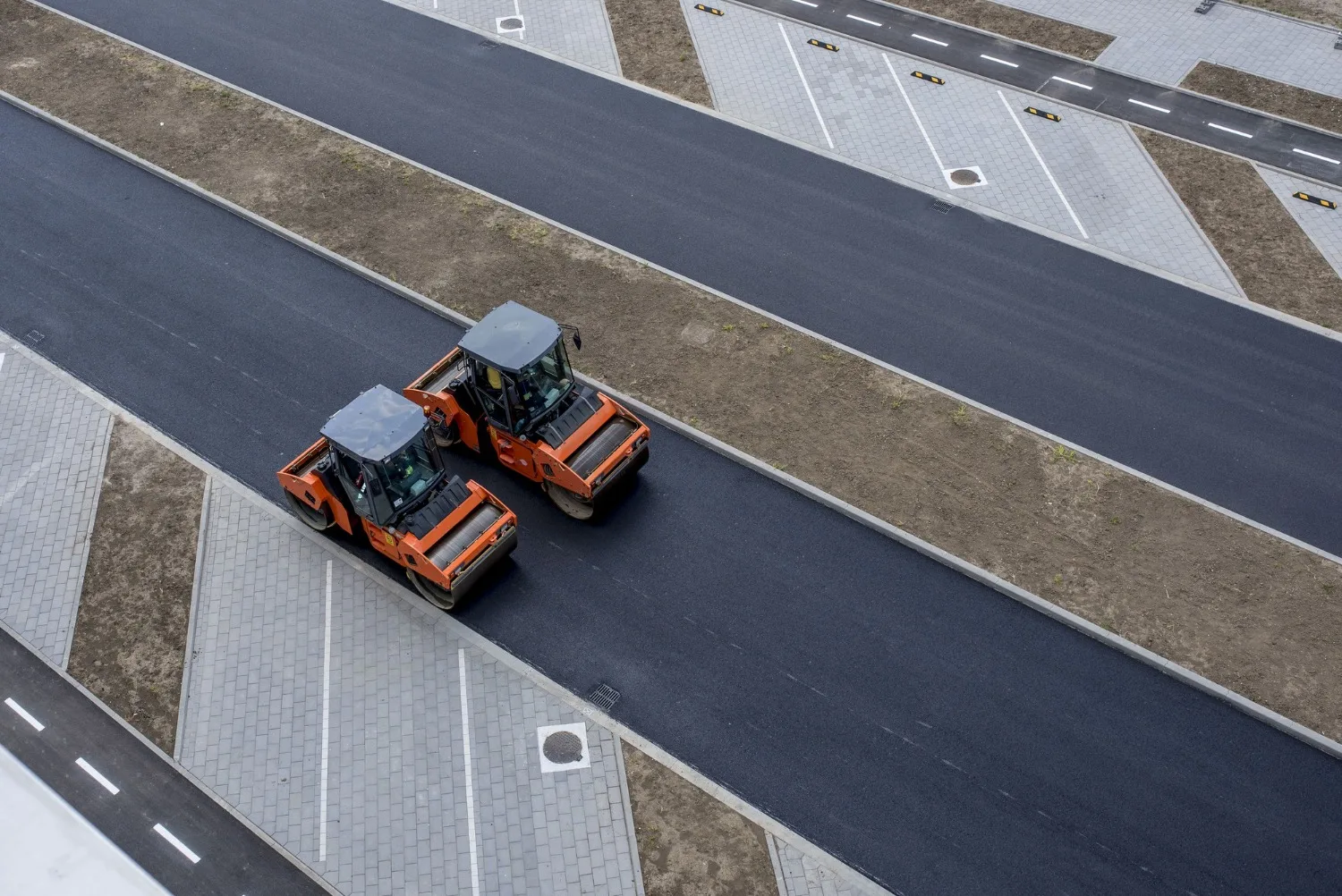
South Australia’s freight and regional road networks play a far greater role than simply moving vehicles between locations. These corridors support agricultural exports, mining operations, industrial supply chains and regional communities spread across vast distances. From grain transport routes in the Mid North through to heavy freight corridors connecting ports and processing facilities, road performance directly influences productivity across the state.
Upgrading these networks, however, involves far more than widening pavements or resurfacing ageing roads. South Australia presents a unique set of engineering challenges shaped by reactive ground conditions, extreme climate variation and heavy freight demand. Delivering reliable transport infrastructure in these environments requires highly specialised construction approaches focused on durability and pavement stability.
As investment in regional freight infrastructure continues to grow, the importance of technically driven road delivery is becoming increasingly clear.
Regional conditions create unique pavement challenges
Extremely variable soil behaviour and high temperature extremes are common in many regional areas of South Australia. These factors can result in a significant year-round stress on pavements, particularly along freight routes with high heavy vehicle traffic.
Possibly the most common and pernicious cause of pavement distress across much of the state is swelling clay soils. These soils expand with moisture gain and shrink during periods of dryness, which can result in ground movement under the pavement. The consequences of this movement, over time, can lead to:
- Surface cracking
- Rutting/deformation
- Edge breakdown
- Drainage instability
- Reduced pavement life under freight loading
This movement, combined with the extreme summer temperatures experienced across much of the inland, results in high thermal stress levels on the pavement materials throughout the year.
Temperature extremes demand smarter pavement design
The fluctuations of high daytime temperatures and cool nights in summer, along with seasonal changes in moisture content, subject regional freight corridors to cycles of expansion and contraction, which can be quite extreme in some areas. Pavement performance on roads where such movements are compounded with ground movement is a major consideration when selecting surfacing materials and construction techniques. Structural integrity and surface performance of the surfacing are very important to asset performance.
Selection of surfacing material, binder and compaction requirements are key elements. Small construction defects will speed up surface cracking and rutting once freight loading and temperature variations place strains on the pavement. Careful consideration of construction methods for the regional road is important for the longer-term performance of the asset.
For many projects delivered by road construction companies in Adelaide and other parts of South Australia, the challenge lies not only in building the pavement itself but also in designing a structure capable of remaining stable through years of environmental stress and heavy freight use.
Profiling improves pavement performance before resurfacing
Surface preparation methods are becoming more common before rehabilitation work takes place on ageing freight corridors. Road profiling is one of these methods.
Road profiling cuts into the existing pavement surface to a controlled depth and results in a more consistent surface for any resurfacing or stabilisation work. Removing unstable or damaged material, it also improves overall surface geometry.
Profiling also ensures the overall pavement thickness remains consistent throughout rehabilitation. This is essential for roads that experience repeated heavy axle loads. Without the appropriate surface preparation, high-quality asphalt layers can quickly fail if the base pavement is irregular.
Freight efficiency depends on reliable corridors
Regional freight corridors directly support industries including agriculture, viticulture, mining and manufacturing. Delays caused by pavement failure, restricted access or repeated maintenance can significantly affect supply chain efficiency and transport costs.
Reliable road infrastructure allows producers to move goods more efficiently between regional areas, processing facilities and export ports. This becomes particularly important during harvest periods and peak freight seasons when transport reliability is critical.
Upgraded corridors also improve safety outcomes for freight operators travelling long distances across regional networks. As transport demand continues increasing, the pressure placed on these road systems will only intensify. This means future upgrades must focus not only on immediate resurfacing needs, but on building more resilient pavement structures capable of performing under sustained operational stress.
Specialised delivery is shaping future regional infrastructure
Regional road construction requires far more than standard pavement replacement. Ground conditions, climate behaviour and freight loading all demand highly specialised engineering responses throughout planning and delivery.
Stabilisation methods, accurate profiling and carefully managed construction sequencing are now essential components of major corridor upgrades across the state.
As governments continue investing in strategic freight infrastructure, the role of experienced civil teams capable of managing these complexities will remain critical. The long-term performance of South Australia’s freight network depends not simply on building more roads, but on delivering pavement systems designed specifically for the realities of regional operating conditions.