Noise pollution is a growing concern in both residential and commercial environments. Whether it’s footsteps from an upper floor, vibration from machinery, or sound transfer through walls and ceilings, unwanted noise can negatively affect comfort, productivity, and wellbeing. One of the most effective yet often overlooked solutions is sound insulation tape.
Used by builders, contractors, and DIY professionals alike, sound insulation tape plays a crucial role in reducing sound transmission and vibration at structural contact points. When applied correctly, it enhances acoustic performance while also supporting long-term structural integrity.
What Is Sound Insulation Tape?
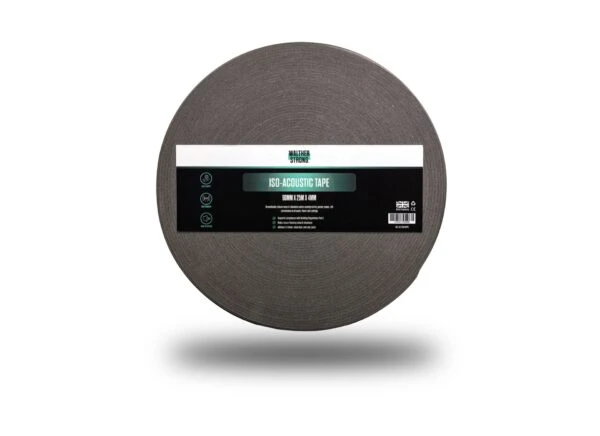
Sound insulation tape is a specialised acoustic material designed to reduce sound and vibration transfer between building components. It is commonly installed between timber or metal frames and surrounding surfaces such as floors, walls, and ceilings.
By creating a flexible isolation layer, sound insulation tape helps prevent impact noise and airborne sound from travelling through rigid connections, which are often the main pathways for noise transfer.
Why Sound Insulation Tape Is Essential in Modern Construction
From a construction and acoustic performance standpoint, sound insulation tape is no longer optional—it is a best practice.
One of its main benefits is vibration reduction. When structural elements are directly fixed together, vibrations pass easily from one surface to another. Sound insulation tape absorbs and dampens these vibrations before they become audible noise.
Another key advantage is improved acoustic compliance. Many modern building regulations require measures to reduce noise transfer between rooms or dwellings. Using sound insulation tape helps meet these standards more effectively.
Additionally, sound insulation tape improves overall build quality. It reduces friction between materials, minimises squeaking, and contributes to a quieter, more comfortable environment.
Common Applications of Sound Insulation Tape
Sound insulation tape is versatile and suitable for a wide range of applications across residential, commercial, and industrial projects.
It is frequently used in:
- Timber and metal stud walls
- Suspended ceilings
- Floor joists and battens
- Partition walls
- Roofing structures
- Prefabricated building systems
In each case, sound insulation tape acts as a buffer, reducing sound bridges and improving acoustic isolation.
How Sound Insulation Tape Works
The effectiveness of sound insulation tape lies in its ability to decouple structural elements. Sound travels efficiently through rigid materials, but when a resilient layer is introduced, the energy is disrupted.
Sound insulation tape works by:
- Absorbing vibration energy
- Reducing direct contact between materials
- Minimising impact noise transmission
- Improving acoustic separation
This makes it an essential component in soundproofing systems, especially when used alongside acoustic boards, insulation, and resilient fixings.
Benefits of Using High-Quality Sound Insulation Tape
Not all acoustic tapes are created equal. High-quality products provide consistent performance, durability, and ease of installation.
Key benefits include:
- Noticeable reduction in noise transfer
- Improved comfort in living and working spaces
- Enhanced performance of acoustic systems
- Long-lasting resilience under load
- Compatibility with a wide range of building materials
Choosing a reliable product from a trusted supplier ensures that sound insulation tape performs as intended throughout the lifespan of the building.
Why Professionals Choose Walther Strong
Walther Strong is a trusted name in construction and building solutions, known for delivering high-performance products that meet professional standards.
Their acoustic solutions are designed with real-world construction challenges in mind. The sound insulation tape offered by Walther Strong is engineered to provide reliable vibration isolation, easy installation, and consistent acoustic performance across a wide range of applications.
Builders and contractors choose Walther Strong because they value quality materials that deliver measurable results on-site.
Sound Insulation Tape and Long-Term Building Value
From a property value perspective, effective sound insulation adds tangible benefits. Buildings with reduced noise transfer are more desirable, more comfortable, and often command higher market value.
Using sound insulation tape during construction or refurbishment:
- Improves occupant satisfaction
- Reduces complaints related to noise
- Enhances overall build quality
- Supports compliance with acoustic standards
These advantages make it a cost-effective investment rather than an optional add-on.
Installation Best Practices
To achieve optimal results, sound insulation tape should be installed correctly. It is typically applied directly onto joists, studs, or frames before boards or panels are fixed in place.
Best practices include:
- Ensuring surfaces are clean and dry
- Applying tape continuously without gaps
- Avoiding compression beyond recommended limits
- Combining with other acoustic materials for maximum performance
Following these steps helps maximise the benefits of sound insulation tape in any project.
Final Thoughts
Sound insulation tape is a simple yet powerful solution for reducing noise, improving acoustic comfort, and enhancing building quality. Its role in modern construction continues to grow as expectations around comfort and compliance increase.
By choosing a high-performance product from Walther Strong, builders and property owners can achieve reliable acoustic results while investing in long-term quality.
Ready to improve acoustic performance on your next project?
Buy sound insulation tape from Walther Strong now and experience professional-grade noise reduction you can trust.