
Introduction
When it comes to Dewatering Pumps in Kenya, the choice between solar-powered and diesel-powered models is becoming increasingly important for construction sites, farms, and mining operations. The right pump can save time, reduce costs, and improve project efficiency. While diesel-powered pumps have long been the standard, solar-powered systems are gaining traction as a sustainable and cost-effective alternative. This article explores the pros and cons of both technologies so you can make the best choice for your specific needs.
The Rise of Solar-Powered Dewatering Pumps
Solar-powered dewatering pumps operate using energy harnessed from the sun, making them an eco-friendly choice for regions with abundant sunlight like Kenya. These pumps are particularly appealing for remote areas without reliable access to the electrical grid.
Advantages of Solar-Powered Models
Solar-powered pumps offer significant operational savings since sunlight is free and plentiful. Once installed, their running costs are minimal, and they require less frequent maintenance compared to diesel models. They also operate quietly, reducing noise pollution at worksites.
Limitations of Solar-Powered Models
Despite their benefits, solar-powered pumps depend heavily on consistent sunlight, which can be a limitation during cloudy or rainy periods. Their initial installation cost can also be higher, especially when factoring in solar panels, battery systems, and mounting structures.
The Enduring Popularity of Diesel Dewatering Pumps
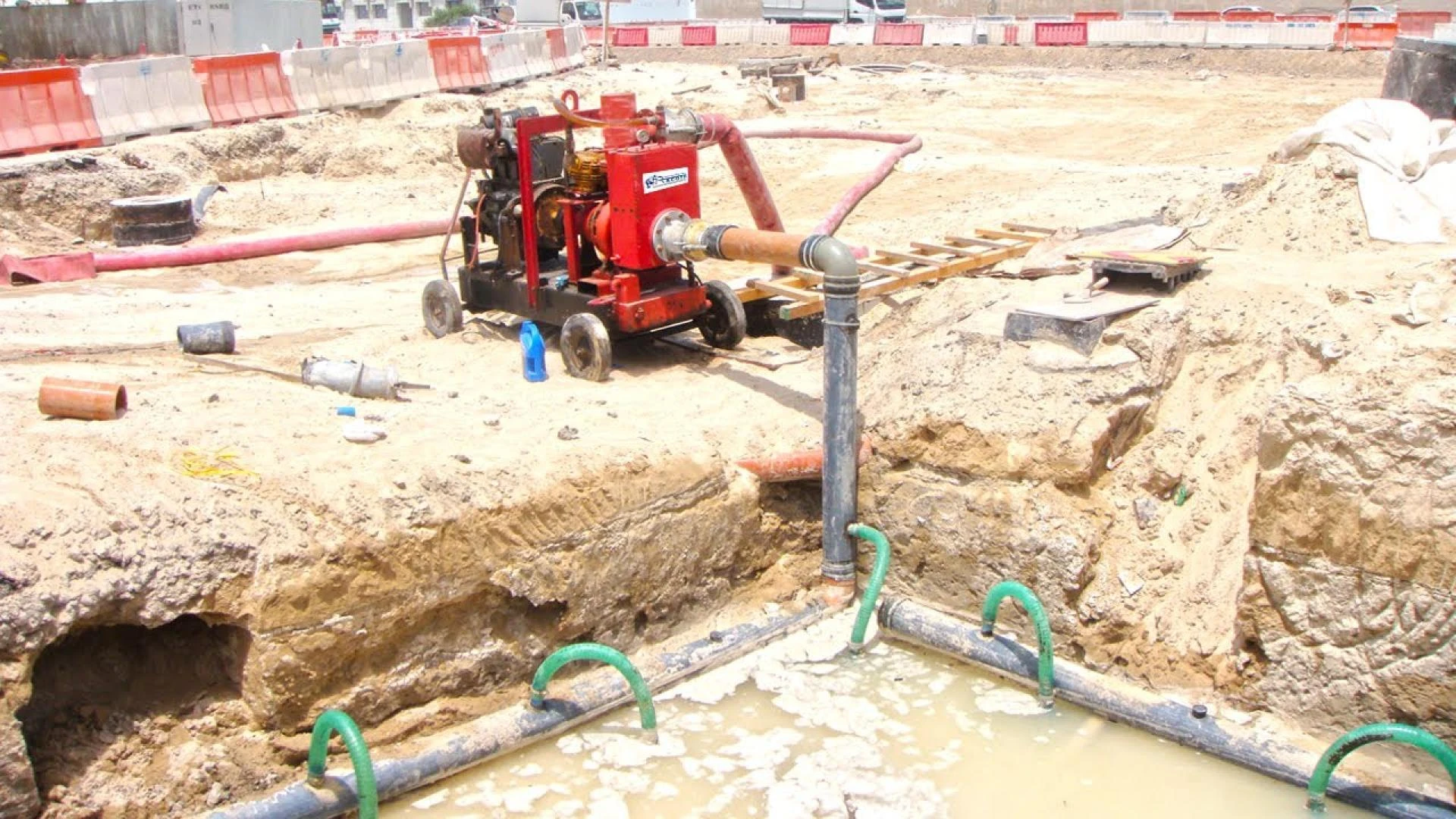
Diesel-powered dewatering pumps have been a reliable workhorse in the Kenyan market for decades. Known for their robust performance, they are well-suited to high-demand and time-sensitive projects.
Advantages of Diesel Models
Diesel pumps are powerful, capable of handling large volumes of water quickly. They perform consistently regardless of weather conditions and can be transported easily to different sites without dependence on external power sources.
Also Read : Kenya's Warehouse Wizards: Top 10 Reach Truck Suppliers You Need to Know
Limitations of Diesel Models
The main drawback of diesel pumps lies in their fuel costs, which can add up over time. They also require regular servicing, produce noise, and emit exhaust fumes, making them less environmentally friendly than solar-powered alternatives.
Choosing the Right Pump for Your Project
Selecting between solar-powered and diesel models depends largely on your project’s location, budget, and operational priorities.
- For remote, sunny regions where fuel supply is challenging, solar-powered pumps may offer the best long-term savings and environmental benefits.
- For high-capacity, urgent applications where reliability in any weather is crucial, diesel pumps may remain the most practical choice.
Balancing upfront investment with long-term operational costs is key. Many contractors also consider a hybrid approach, using solar as a primary source and diesel as a backup.
Conclusion
Both solar-powered and diesel dewatering pumps have distinct advantages and trade-offs. Solar-powered models deliver eco-friendly operation and lower running costs in sunny conditions, while diesel pumps provide unmatched reliability and power across all weather conditions. The right choice ultimately depends on your project’s needs, location, and budget.
For expert guidance, product availability, and professional support in making the best selection, Blackwood Hodge Kenya Ltd. offers industry-leading solutions tailored to Kenya’s unique working environments.