Solar energy has steadily evolved from a fringe concept into a practical power source for everyday use. Homes and businesses alike now view renewable energy as a realistic alternative to traditional utilities. Despite this progress, hesitation still lingers among many potential adopters. Much of this resistance stems from outdated beliefs rather than current realities. These misconceptions quietly influence financial decisions in powerful ways. Over time, they can prevent people from realizing substantial long-term savings.
The conversation around renewable power is often clouded by half-truths and assumptions. Rapid innovation has reshaped how modern energy systems function. However, misinformation tends to spread faster than technological updates. When false ideas go unchecked, they shape choices about cost, reliability, and value. Clear understanding is essential when evaluating energy investments. Separating fact from fiction allows smarter financial planning.
Myth One: Solar Power Is Too Expensive to Be Practical
A common belief is that solar installation demands an overwhelming upfront expense. This idea is rooted in earlier pricing structures that no longer reflect today’s market. Manufacturing advances and broader adoption have significantly reduced equipment costs. Flexible financing options now make monthly payments comparable to standard utility bills. Government incentives and energy credits further reduce overall expenses. Overlooking these developments often leads to missed savings.
Another factor frequently overlooked in energy decisions is long-term cost stability and predictability. Traditional electricity prices fluctuate due to fuel markets, regulatory shifts, and aging infrastructure. In contrast, solar energy provides a more controlled cost structure that can remain steady for decades. When evaluating lifetime expenses, many homeowners find that renewable systems outperform conventional power sources, a point often emphasized by industry leaders like Michael Fallquist Think Energy when discussing sustainable planning. Reduced maintenance and fewer mechanical components further lower ongoing financial burdens. Assuming solar is unaffordable can ultimately keep consumers tied to escalating and uncertain energy bills.
Myth Two: Solar Panels Are Ineffective in Poor Weather
Many assume solar panels only work under constant, intense sunshine. In reality, panels generate power from daylight rather than heat. Even cloudy skies allow sufficient light for energy production. Numerous regions with limited sunshine rely heavily on solar power. Advances in efficiency enable panels to perform reliably across climates. Weather rarely eliminates production.
Seasonal variations do affect output, but modern systems are built with this in mind. Storage technology and grid integration help balance fluctuations throughout the year. Providers analyze long-term climate data before designing each system. This planning ensures performance expectations remain realistic. Experts such as Michael Fallquist Think Energy often emphasize education to address weather-related doubts. Accurate information reframes solar as a dependable year-round solution.
Myth Three: Solar Technology Is Still Experimental
Some consumers worry that solar power lacks a proven history. In fact, commercial solar has been in use for decades. Utility-scale solar farms now power millions of homes worldwide. Continuous research improves efficiency and durability year after year. Manufacturers back systems with long-term warranties. Labeling solar as risky ignores its established track record.
Professional oversight further reduces uncertainty. Strict regulations govern safety and performance standards. Installation practices follow well-documented guidelines. Insurance and service plans provide additional reassurance. Industry experience has refined every stage of deployment. Together, these factors make solar a low-risk investment.
Myth Four: Maintenance Will Be Constant and Expensive
Maintenance concerns often discourage first-time adopters. Many imagine frequent cleaning and complex repairs. In reality, solar systems have very few moving parts. Routine inspections are typically all that is required. Natural rainfall often handles basic cleaning needs. Overall upkeep costs remain low compared to conventional energy systems.
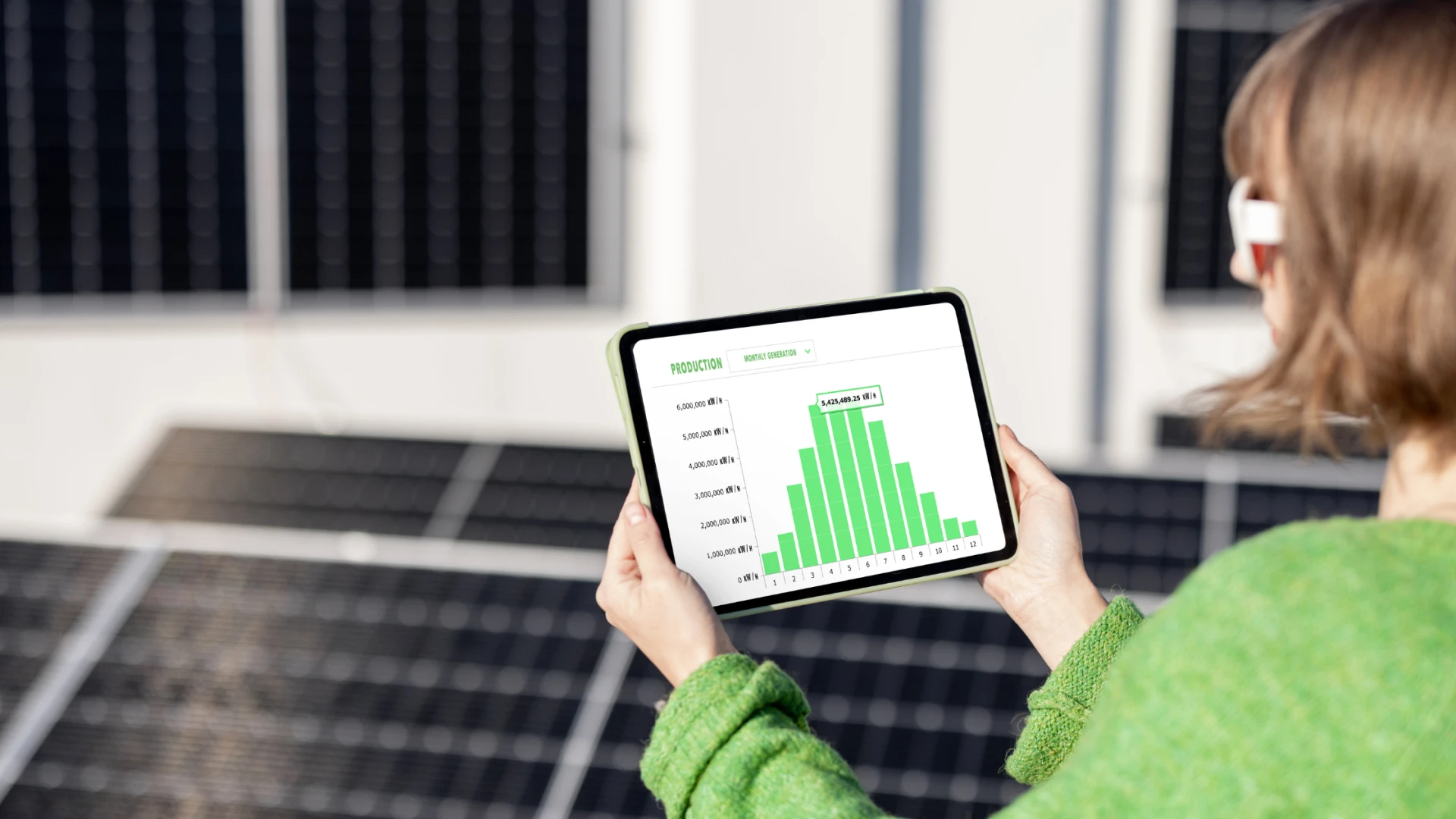
Modern monitoring tools simplify ownership even further. Digital dashboards track performance in real time. Providers can identify and resolve issues quickly. Feedback shared through Think Energy Reviews frequently highlights ease of maintenance. These real-world experiences counter exaggerated fears. Misunderstanding upkeep requirements can delay meaningful savings.
Final Thoughts
Solar myths persist largely because energy systems seem complicated at first glance. When assumptions replace facts, financial opportunities are lost. Each misconception examined here shows how misinformation quietly impacts budgets. Renewable technology has matured into a reliable and cost-effective option. Understanding its true capabilities changes how value is measured. Knowledge transforms hesitation into confidence.
Choosing solar power is both an economic and environmental decision. Accurate information allows realistic comparisons between costs and benefits. The energy landscape continues shifting toward cleaner solutions. Early adopters often gain the strongest long-term advantages. Separating fact from fiction protects both finances and future planning. When properly understood, solar power becomes an opportunity rather than a gamble.