In recent years, the field of soft robotics has become a transformative force in automation, manufacturing, and material handling. Among its many innovations, the Soft Gripper stands out as one of the most practical and impactful developments. Designed to mimic the flexibility, gentleness, and adaptability of the human hand, these grippers have expanded the range of applications that robots can perform safely and efficiently. From food processing to pharmaceuticals, soft robotic grippers are reshaping industrial operations with a new level of precision and safety.
What Is a Soft Gripper?
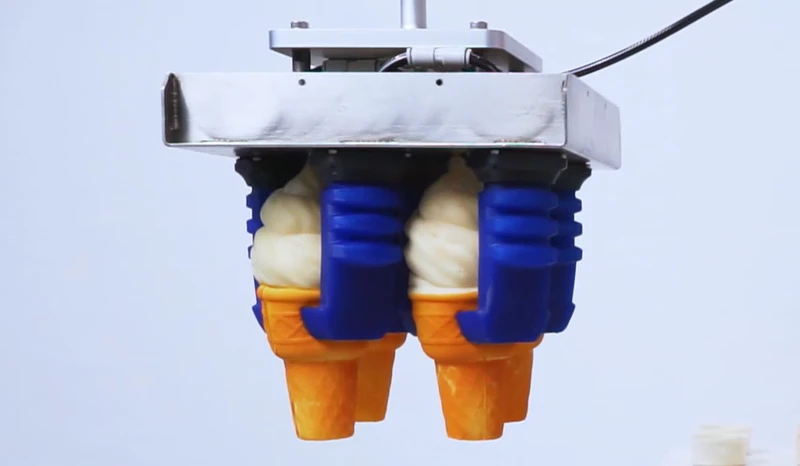
A Soft Gripper is a robotic end-effector made from flexible materials such as silicone, rubber, or other elastomeric polymers. Unlike traditional metal grippers, soft grippers can conform to the shape of the object they’re handling, allowing them to grasp irregular, delicate, or slippery items with ease. This flexibility makes them invaluable in industries that handle products of varied shapes and textures, where traditional rigid grippers would fail or cause damage.
The operation of soft grippers often relies on pneumatic or hydraulic systems. By applying air pressure, the gripper expands, contracts, or curls its soft fingers around an object. The pressure is precisely controlled to ensure the right balance between grip strength and delicacy.
Soft Robotics Inc – A Global Leader in Soft Gripper Innovation
Soft Robotics Inc is one of the foremost names in this emerging field. The company has pioneered a series of Soft Robotics Grippers that are transforming how industries approach automation. Based on patented material science and design technologies, their systems can handle products that were previously too fragile or inconsistent for robotic automation.
The company’s grippers are particularly famous in the food and beverage industry, where hygiene, speed, and precision are crucial. Soft Robotics Inc offers modular designs that are compatible with major robotic systems, allowing for easy integration into production lines. Their soft grippers are trusted by top manufacturers around the world for pick-and-place operations, packaging, and product sorting.
The Rise of SRT Soft Gripper Systems
Another notable player in the field is SRT Soft Gripper, which has become synonymous with high-quality soft gripping technology. The SRT Soft Robot Gripper line is known for its lightweight construction, adjustable air pressure systems, and ability to handle an extensive variety of products.
These grippers are used in diverse applications—from handling food items like pastries, seafood, and vegetables to manipulating small electronic components and glassware. SRT’s focus on durability, modularity, and cost efficiency makes it one of the best soft gripper manufacturers globally.
The SRT Soft Robot Gripper combines flexibility and strength through advanced pneumatic actuation, enabling robots to adapt quickly to products of various sizes without the need for manual adjustments.
Advantages of Soft Robotics Grippers
Soft grippers are not just a novelty; they represent a significant technological leap. Here’s why industries are rapidly adopting Soft Robotics Gripper:
- Gentle Handling: The soft materials ensure delicate items are picked up without any risk of crushing or damaging them.
- Adaptability: A single gripper can handle multiple product shapes and sizes, reducing the need for frequent tooling changes.
- High Speed: Their lightweight and pneumatic structure allows for rapid actuation and increased production rates.
- Cost Efficiency: Businesses save on equipment costs by using one gripper design across different product lines.
- Food Safety: Many soft grippers are made with FDA-approved materials suitable for direct food contact.
The Science Behind the Soft Robotic Finger
At the heart of every soft gripper lies the Soft Robotic Finger—a flexible, compliant actuator that mimics the natural motion of human fingers. Each finger bends, curls, and conforms around the object, distributing force evenly.
These fingers can be made using 3D printing or molded silicone structures that contain pneumatic channels. When air is applied, the structure deforms, creating movement. The design ensures both precision and safety, allowing for highly sensitive manipulation.
In some advanced systems, soft robotic fingers include embedded sensors that detect pressure, texture, and temperature, providing real-time feedback to the control system. This advancement brings robots closer to human-like dexterity and awareness.
Soft Pneumatic Grippers – The Power of Air
The Soft Pneumatic Gripper is among the most widely used designs in the soft robotics field. It relies on compressed air to generate motion and gripping force. Pneumatic soft grippers are capable of handling everything from eggs and bread to industrial parts and circuit boards.
Unlike mechanical grippers that require complex servos or motors, soft pneumatic systems use simple valves and air pressure controllers, making them more reliable and easier to maintain. The combination of simplicity and precision makes the soft pneumatic gripper a preferred choice for both industrial and research applications.
Soft Robotics Suction Cup – A Gentle Alternative
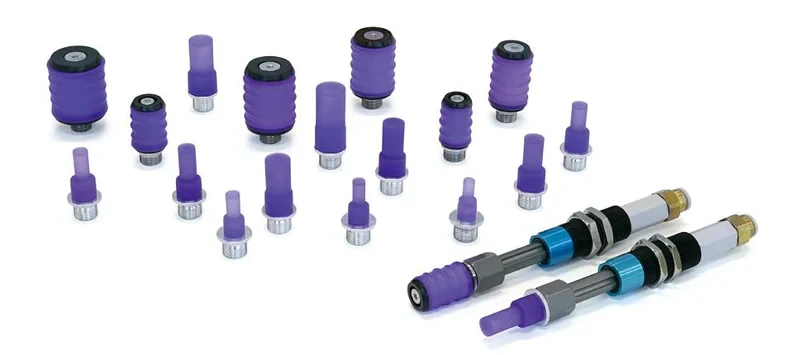
Another innovative adaptation in the field of soft robotics is the Soft Robotics Suction Cup. These suction cups are made from flexible materials that allow them to form airtight seals even on irregular or textured surfaces.
Used extensively in the packaging and logistics industries, soft suction cups can lift and move objects such as plastic packaging, fruits, or fragile containers without damage. Their flexibility and stability have made them essential components in automated pick-and-place systems.
Best Soft Gripper Manufacturers and Suppliers
With the increasing adoption of automation technologies, the global demand for Soft Robotics Solutions Suppliers has grown exponentially. Some of the leading names in this field include:
- Soft Robotics Inc: Known for its versatile, plug-and-play gripper systems suitable for food, consumer goods, and logistics.
- SRT Soft Gripper: Recognized for its high customization options, modular design, and efficient pneumatic systems.
- OnRobot Soft Gripper: Offers electric-driven soft grippers ideal for collaborative robots and flexible automation setups.
These companies lead the market by focusing on customization, easy integration, and material safety. They provide the best soft robot grippers that cater to various industries—from delicate medical applications to robust industrial packaging.
Applications of Soft Robot Grippers
Soft robot grippers have revolutionized automation across multiple sectors. Their adaptability allows them to replace traditional systems in areas that were once considered too sensitive for robotics.
- Food Industry: From handling raw meat and seafood to picking delicate fruits, soft grippers ensure hygiene and safety.
- Electronics Manufacturing: Capable of lifting fragile screens, circuit boards, and sensors with precision.
- Pharmaceuticals: Used for packaging vials, syringes, and tablets where contamination control is crucial.
- Agriculture: Ideal for automated fruit harvesting systems that require a gentle touch.
- E-commerce and Packaging: Used in warehouses to sort and handle diverse items efficiently.
Robot Soft Gripper in Collaborative Automation
The integration of Robot Soft Grippers in collaborative robotics (cobots) has significantly enhanced safety and productivity. Since these grippers are inherently soft and compliant, they pose minimal risk to human workers, making them perfect for shared workspaces.
Cobots equipped with Soft Robotics Grippers can work alongside humans to perform repetitive or precision-based tasks, improving efficiency while maintaining safety standards.
Innovation Through AI and Sensing
The next generation of Soft Robotics Grippers integrates artificial intelligence and advanced sensing technologies. By combining vision systems and machine learning, robots can now recognize different objects and determine the best grip for each.
Sensors embedded in Soft Robotic Fingers can measure force and feedback in real time, ensuring the object is held securely but gently. AI-powered systems can adjust air pressure, finger positioning, and motion dynamically—creating adaptive robots capable of learning and improving over time.
Comparing Traditional vs. Soft Grippers
Traditional robotic grippers, usually made of metal or hard plastic, are designed for precision and strength but lack adaptability. They are ideal for standardized manufacturing tasks but unsuitable for variable products.
In contrast, Soft Grippers bring flexibility and safety. They can handle a wider range of items with minimal programming changes, making them a smarter long-term investment for dynamic industries such as e-commerce, logistics, and food processing.
The Future of Soft Robotics Technology
As the field continues to evolve, we can expect significant advancements in materials, sensing capabilities, and control systems. Future Soft Robot Grippers will likely feature self-healing materials, embedded micro-sensors, and AI-driven control systems that enable full autonomy in handling unknown objects.
The integration of Soft Pneumatic Grippers and Soft Robotics Suction Cups with collaborative robots will expand their usability even further, from warehouse automation to healthcare robotics.
Conclusion
The Soft Gripper is more than just a component—it is a symbol of the future of robotics. It represents how machines can be designed not only for precision and efficiency but also for gentleness and adaptability. With innovators like Soft Robotics Inc and SRT Soft Gripper leading the charge, the technology is rapidly advancing across industries worldwide.
From Soft Pneumatic Grippers that use air pressure to manipulate delicate products, to Soft Robotic Fingers that mimic human dexterity, these technologies are bridging the gap between human touch and robotic intelligence. As demand for smart automation grows, Soft Robotics Solutions Suppliers will continue to drive innovation, creating systems that redefine safety, versatility, and performance in industrial automation.