Fashion often gets treated like a race to keep up with the latest trend. But for most people, getting dressed every day is less about chasing style and more about finding clothes that actually fit their life. A good wardrobe should work for the school run, the office, the weekend errands, and everything in between.
This article takes a practical approach to fashion. Instead of focusing on passing trends, it covers how to make smarter clothing choices that hold up over time, feel comfortable, and still look good.
Why Practical Fashion Matters More Than Trends
Trends come and go quickly. A piece that looks exciting one season can feel out of place the next. That is why building a wardrobe around function first, and style second, tends to serve people better in the long run.
Practical fashion means asking simple questions before buying anything:
- Will I wear this often, or just once?
- Does it fit my daily routine and activities?
- Is it made from fabric that will last?
- Can I pair it with clothes I already own?
When these questions guide shopping decisions, wardrobes become smaller but more useful. Fewer items get worn more often, which actually saves money over time.
Fit Is More Important Than Size Labels
One of the biggest mistakes people make is focusing too much on a size number instead of how a piece of clothing actually fits their body. Sizing varies a lot between brands, so the same size can fit very differently depending on where it comes from.
A well-fitted item, even a simple one, tends to look better than an expensive piece that hangs wrong or feels tight in the wrong places. Trying clothes on, checking how they move with the body, and paying attention to shoulder, waist, and length details makes a real difference.
Tailoring is also worth considering for a few key pieces, such as blazers, trousers, or coats. A small adjustment at a local tailor can turn an average item into one that looks custom-made.
Choosing Fabrics That Last
Fabric choice affects comfort, durability, and how clothes age over time. Natural fibers like cotton, wool, and linen tend to breathe better and last longer with proper care compared to some synthetic blends.
For everyday wear, look for fabrics that:
- Resist wrinkling during a normal workday
- Hold color after multiple washes
- Feel comfortable across different temperatures
- Are easy to clean without special care
Reading care labels before buying can save a lot of frustration later. A beautiful piece that requires constant dry cleaning may not be practical for a busy schedule.
Building a Workwear Wardrobe That Balances Comfort and Presentation
Workwear is one area where fashion and function have to meet in the middle. Clothes need to look professional, but they also need to hold up through long shifts, movement, and repeated wear.
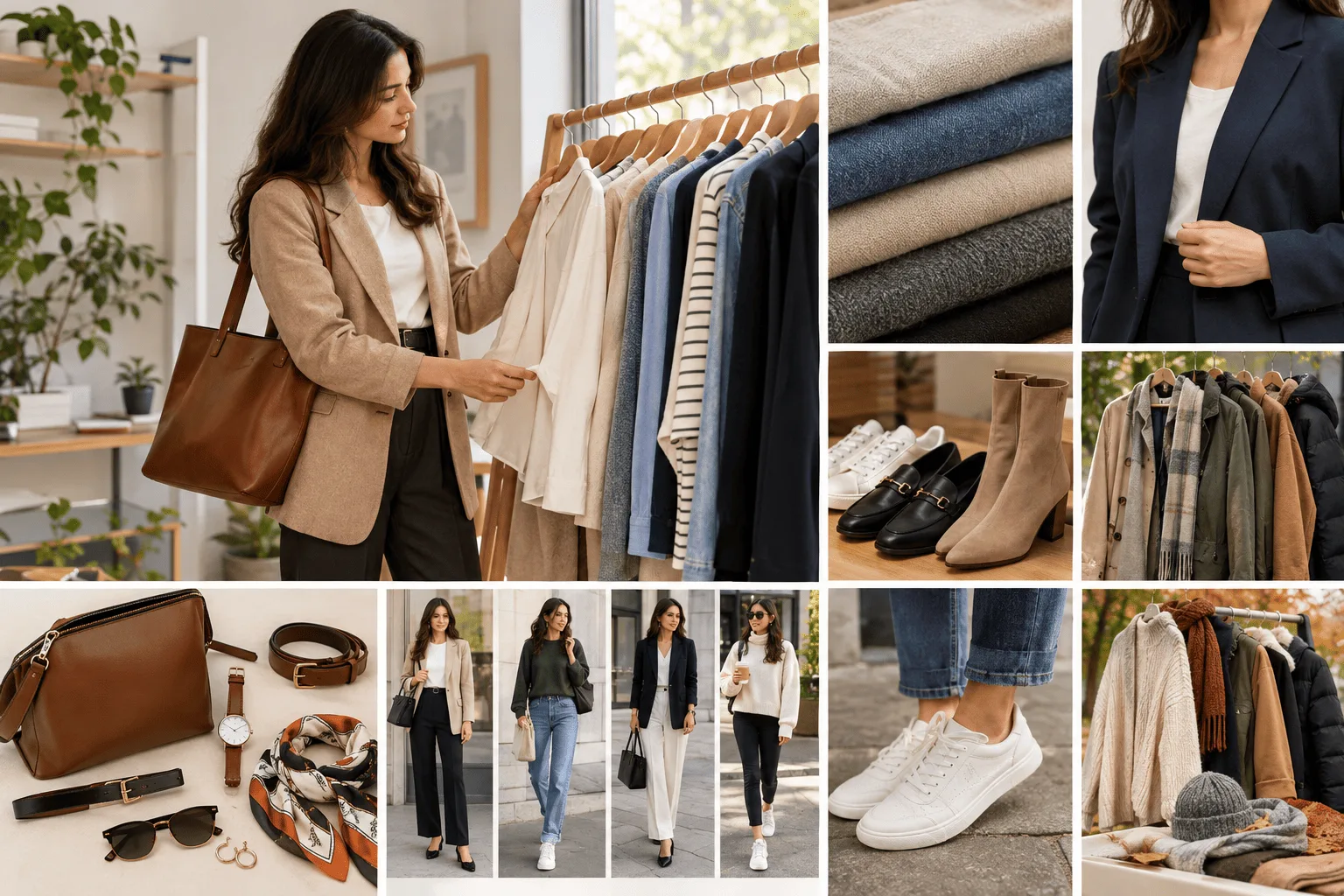
A strong workwear wardrobe usually includes:
- A few well-fitted trousers or skirts in neutral colors
- Shirts or tops that can be mixed and matched
- One or two blazers or structured jackets
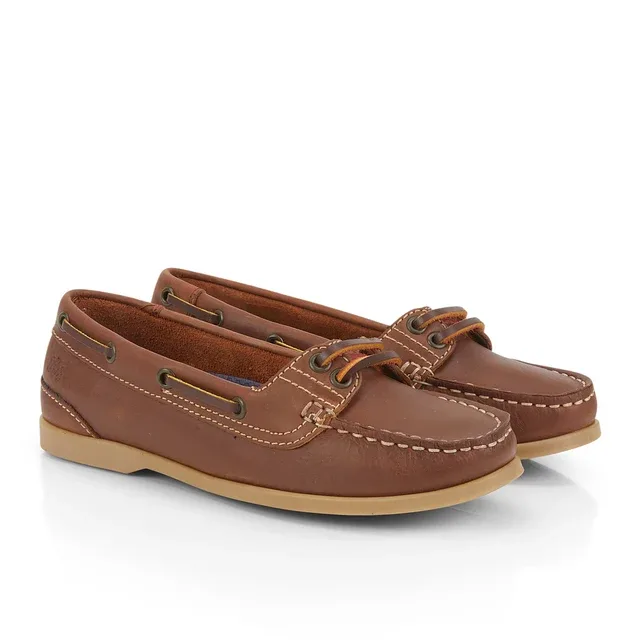
- Comfortable, supportive footwear
- Accessories that add variety without extra bulk
For readers who want more detailed, practical guidance on building outfits around comfort and everyday wear, workwear and lifestyle fashion tips can offer useful direction on balancing style with real-world demands.
Footwear: Comfort Should Never Be an Afterthought
Shoes often get chosen last, but they carry a lot of daily weight, sometimes literally. Poor footwear choices can affect posture, energy levels, and comfort throughout the day.
When choosing shoes, it helps to think about:
- The type of surface they will be worn on most
- How many hours they will be worn continuously
- Whether they offer proper arch and heel support
- How easily they pair with existing outfits
A rotation of two or three reliable, comfortable shoe styles usually works better than a large collection of shoes that rarely get worn.
Seasonal Dressing Without Overbuying
Seasonal changes often push people to buy entirely new wardrobes, but this is not always necessary. Layering is one of the simplest ways to adapt existing clothes to changing weather.
A few smart additions can extend the usefulness of a wardrobe across seasons:
- A versatile jacket that works for both mild and cool weather
- Lightweight scarves or layers for transitional months
- Breathable fabrics for warmer periods
- A couple of warmer pieces for colder days
This approach reduces waste and keeps spending focused on items that genuinely add value.
Accessories: Small Additions With a Big Impact
Accessories can change the entire feel of an outfit without requiring a full wardrobe overhaul. A belt, a watch, a scarf, or the right bag can make a simple outfit look more put together.
The key is choosing versatile accessories that work across multiple outfits rather than pieces that only match one specific look. This keeps a wardrobe flexible and reduces the temptation to constantly buy new items.
Making Fashion Choices That Fit Everyday Life
Good fashion decisions are rarely about following every trend. They are about understanding personal routines, choosing quality over quantity, and picking pieces that genuinely serve daily needs.
A wardrobe built on fit, fabric quality, comfort, and versatility will always outlast one built purely on trends. Over time, this approach not only saves money but also makes getting dressed each day simpler and less stressful.
Fashion, at its best, should support daily life rather than complicate it. By focusing on practical choices, anyone can build a wardrobe that feels good to wear and lasts far longer than the latest passing trend.