Not every smile makeover requires veneers, crowns, or months of orthodontic treatment. Sometimes the most effective transformation is also the simplest one. Cosmetic bonding is one of dentistry's most versatile and underappreciated tools — a quick, affordable, and surprisingly natural-looking solution for a wide range of cosmetic concerns. Whether you have a chipped front tooth, an awkward gap, or a discoloration that whitening cannot fix, cosmetic bonding may be exactly what your smile has been waiting for.
What Is Cosmetic Bonding?
Cosmetic bonding is a dental procedure in which a tooth-colored composite resin material is applied directly to the surface of a tooth, shaped by hand, and then hardened with a specialized curing light. The result is a seamless addition to the natural tooth that can alter its shape, size, color, or surface texture. Unlike porcelain veneers, which are fabricated in a dental laboratory and require two appointments, cosmetic bonding is completed entirely chairside in a single visit.
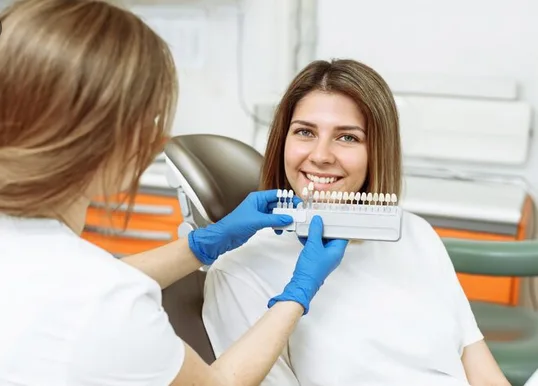
The composite resin used in cosmetic bonding is available in a wide spectrum of shades, allowing the dentist to match the material precisely to the color of your surrounding teeth. Once cured and polished, the bonded area blends in so naturally that most people cannot tell it apart from the original tooth structure.
What Cosmetic Bonding Can Fix
The range of issues that cosmetic bonding can address is broader than many people realize. It is most commonly used to repair chipped or cracked teeth — particularly front teeth that are highly visible when you smile or speak. A small chip that might have made you self-conscious for years can often be corrected in under an hour. Cosmetic bonding is also an excellent option for closing small gaps between teeth, reshaping teeth that appear too short, too pointy, or irregularly sized, and covering stubborn stains that do not respond to whitening treatments.
In some cases, cosmetic bonding is used as an alternative to amalgam fillings for small cavities in visible areas of the mouth, offering a tooth-colored restoration that preserves the aesthetics of the smile. It can even be applied to exposed root surfaces to reduce sensitivity caused by gum recession.
What to Expect During the Procedure
One of the most appealing aspects of cosmetic bonding is just how simple and comfortable the process is. In most cases, anesthesia is not required unless the bonding is being used to fill a cavity or repair a tooth near a particularly sensitive area. The dentist begins by lightly roughening the surface of the tooth and applying a conditioning liquid that helps the resin adhere properly.
The composite resin is then applied in layers, carefully sculpted to achieve the desired shape and contour. Each layer is hardened with the curing light before the next is added. Once the final shape is achieved, the dentist polishes the bonded area until it matches the natural sheen of the surrounding teeth. A typical cosmetic bonding appointment takes between 30 and 60 minutes per tooth, making it one of the fastest cosmetic dental procedures available.
How Long Does Cosmetic Bonding Last?
Composite resin is a durable material, but it is not quite as strong as natural enamel or porcelain. With proper care, cosmetic bonding typically lasts between five and ten years before it may need to be touched up or replaced. The lifespan depends largely on the location of the bonding, your bite, and your daily habits.
Certain behaviors can shorten the life of bonded teeth. Biting fingernails, chewing on pen caps, opening packaging with your teeth, and eating hard foods like ice or hard candies put unnecessary stress on the resin and can cause it to chip. Coffee, tea, red wine, and tobacco can also stain composite resin over time, though the bonded area can be polished by your dentist during routine check-ups to restore its brightness.
Cosmetic Bonding vs. Other Cosmetic Options
When comparing cosmetic bonding to alternatives like porcelain veneers or dental crowns, the differences come down to cost, invasiveness, and longevity. Veneers are more stain-resistant and durable, but they require the removal of a small amount of enamel from the tooth's surface and typically cost several times more than bonding. Crowns offer the greatest protection for damaged teeth but involve the most tooth reduction and the highest expense.
Cosmetic bonding sits comfortably in the middle ground — it is the most conservative option since it preserves the most natural tooth structure, the most affordable, and the fastest. For patients with minor to moderate cosmetic concerns who want immediate results without a significant financial commitment, cosmetic bonding is often the smartest starting point.
Is Cosmetic Bonding Right for You?
If you have been living with a small imperfection in your smile that you wish you could change, cosmetic bonding is worth a serious conversation with your dentist. It is a low-risk, high-reward procedure that delivers visible, natural-looking results in a single appointment. Most patients leave the chair genuinely surprised by how much of a difference such a simple procedure can make. A confident, complete smile is closer — and more attainable — than you might think.