
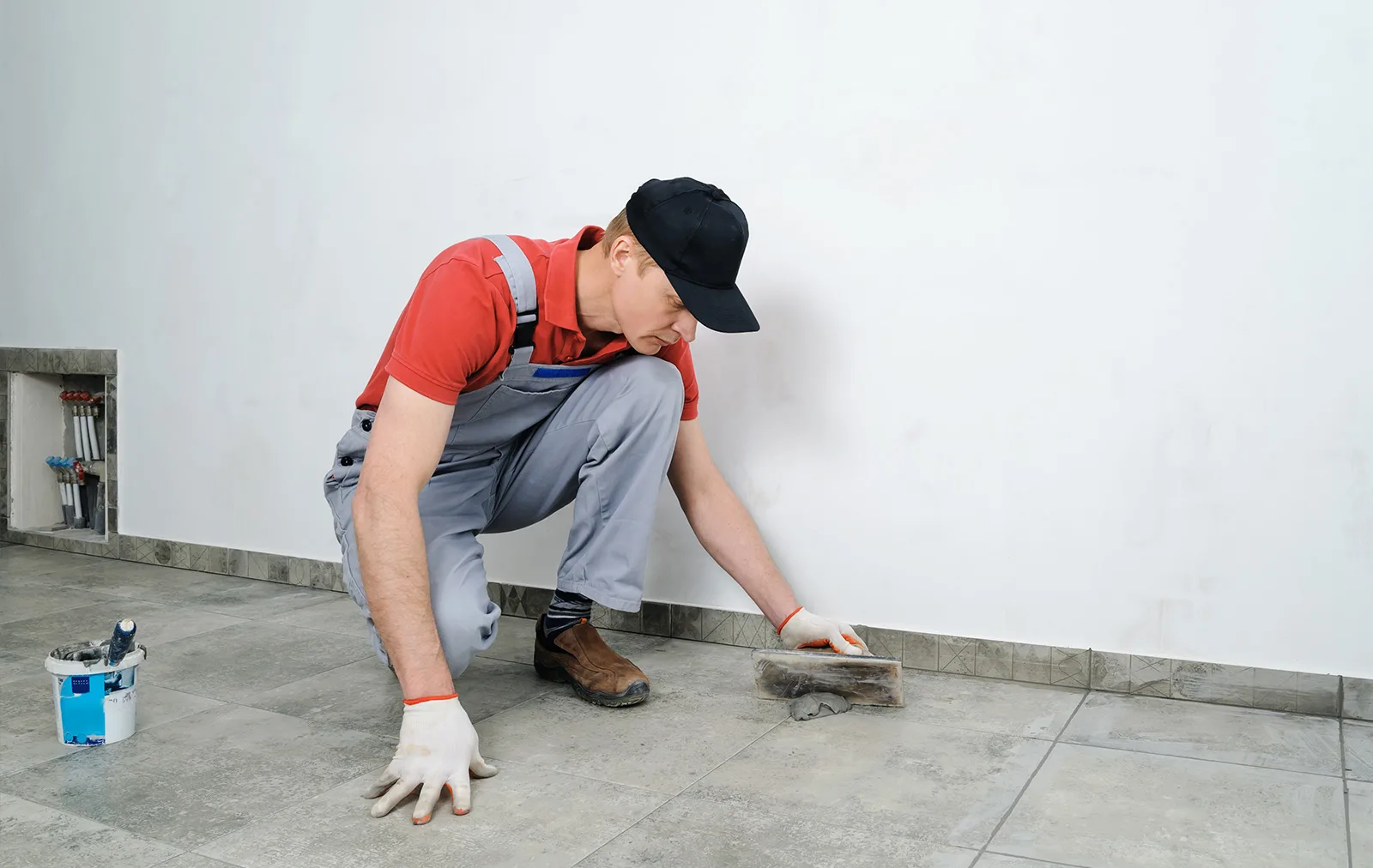
Working in the tiling industry is more than placing tiles on walls and floors. It requires accuracy, planning, and practical skills. If you enjoy hands-on work and like seeing visible results at the end of the day, tiling can be a rewarding career path.
The Certificate III in Wall and Floor Tiling is designed to help students build practical trade skills for residential and commercial projects. It prepares learners for real work environments and teaches the techniques needed to become a qualified tiler.
Learning Basic Tiling Techniques
One of the first things students learn is the foundation of tiling work. This includes measuring areas, preparing surfaces, and placing tiles correctly.
You will also learn how to cut tiles neatly and fit them into different spaces. At first, getting straight lines may feel tricky. Even experienced tilers joke that tiles sometimes have a mind of their own.
With regular practice, your confidence and accuracy improve.
Surface Preparation Skills
Good tiling starts before the first tile is placed. Surface preparation is a major part of the course.
You learn how to check walls and floors for uneven areas, damage, or moisture problems. Students are also taught how to clean and level surfaces properly.
Without proper preparation, tiles may crack or loosen later. That is why this skill is highly important in the construction industry.
Safe Use of Tools and Equipment
Tilers use a range of tools every day. During the course, students learn how to safely handle tile cutters, grinders, mixers, and measuring equipment.
Safety procedures are also covered in detail. This includes wearing protective gear and following workplace safety rules.
Learning these habits early helps reduce accidents and creates safer work practices on-site.
Waterproofing Knowledge
Waterproofing is one of the most valuable skills in tiling work. Bathrooms, kitchens, and laundries need proper waterproof protection before tiling begins.
Students learn how to apply waterproof membranes and prepare wet areas according to Australian standards.
This skill is especially useful because waterproofing problems can become expensive if not done correctly.
Measuring and Planning Layouts
Tiling is not only physical work. It also requires planning and attention to detail.
You will learn how to calculate measurements, plan tile layouts, and reduce material waste. This helps create clean and balanced finishes.
A well-planned layout can completely change the appearance of a room. Sometimes even a small bathroom can look larger with the right tile placement.
Working With Different Tile Materials
Not all tiles are the same. Some are ceramic, while others are porcelain, marble, or stone.
The course teaches students how to work with different tile types and understand their uses. Certain materials need special handling and cutting methods.
This knowledge helps tilers choose the right products for different projects and customer needs.
Grouting and Finishing Techniques
Once tiles are installed, the finishing work begins. Students learn how to apply grout evenly and seal tiled surfaces properly.
Clean finishing makes a big difference in the final result. Even beautiful tiles can look untidy if the grout lines are uneven.
These finishing skills help create a professional appearance that clients expect.
Communication and Teamwork Skills
Construction projects often involve working with builders, plumbers, and other tradespeople. Because of this, communication skills are important.
Students learn how to follow instructions, work as part of a team, and communicate clearly on-site.
Good teamwork helps projects run smoothly and avoids unnecessary delays.
Understanding Workplace Standards
The course also introduces students to workplace rules, construction standards, and industry expectations in Australia.
You learn about quality control, safe work practices, and how to complete tasks professionally.
These skills are useful for both employment and future career growth in the building industry.
Final Thoughts
The CPC31320 course teaches far more than basic tiling. It helps students develop practical trade skills, safety knowledge, planning abilities, and professional work habits.
For anyone interested in construction or hands-on work, this qualification provides strong industry preparation. With the right training and practice, students can build a reliable career in wall and floor tiling across Australia.