
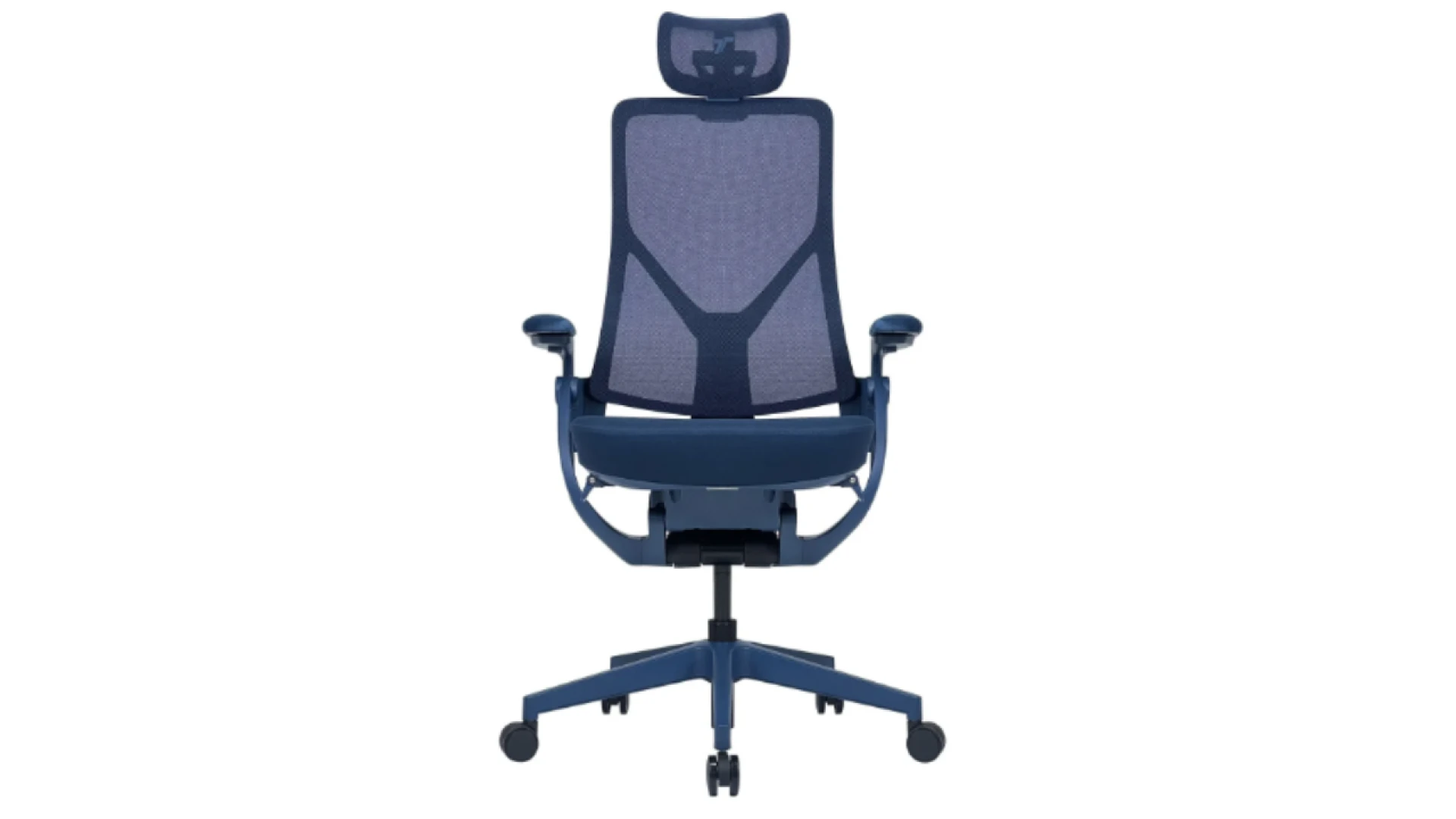
In modern work environments, the chair one chooses can significantly impact comfort, health, and overall productivity. A well-designed sitting work chair is more than just a piece of furniture—it is a support system that helps maintain posture, reduce fatigue, and facilitate extended periods of focus. Understanding the factors that contribute to an ergonomic and functional chair is essential for anyone who spends long hours at a desk.
While aesthetics and design often capture initial attention, the underlying ergonomic principles determine whether a chair can truly support long-term use. This article explores the key aspects of sitting work chairs, from ergonomic features to materials, and provides guidance for selecting a chair that balances comfort with productivity.
Key Features of a Comfortable Sitting Work Chair
Ergonomic Design and Adjustability
The foundation of any productive sitting work chair is its ergonomic design. Chairs that allow adjustments in seat height, backrest angle, and armrest positioning enable users to tailor their seating to individual body dimensions. Proper alignment of the spine, shoulders, and hips reduces the risk of musculoskeletal strain. Features such as lumbar support are particularly critical; they maintain the natural curve of the lower back and prevent slouching, which is a common source of discomfort during long periods of sitting.
Material and Build Quality
Material choice significantly affects both comfort and durability. Breathable mesh backs, high-density foam cushions, and robust frame materials contribute to prolonged usability without compromising comfort. Mesh is particularly advantageous for heat dissipation, preventing the buildup of sweat and discomfort during extended use. Additionally, a chair constructed from sturdy materials ensures consistent support over time, reducing the likelihood of sagging or mechanical issues.
Mobility and Stability
Another key consideration is the balance between mobility and stability. Swivel bases and smooth-rolling casters enhance movement and access to surrounding workspaces, reducing strain caused by repetitive twisting or reaching. At the same time, a solid base and locking mechanisms provide stability, ensuring that movement does not compromise safety. These features collectively support efficiency and prevent minor injuries that may arise from sudden shifts or imbalances.
Health Implications of Extended Sitting
Prolonged sitting has been associated with various health challenges, including back pain, reduced circulation, and increased fatigue. Selecting a sitting work chair that addresses these concerns can mitigate long-term risks. Chairs with adjustable features allow users to vary posture throughout the day, promoting micro-movements that enhance circulation.
Moreover, chairs that encourage proper alignment can help prevent the development of chronic issues such as lumbar disc degeneration or shoulder strain. Investing in a chair designed for ergonomic support is an essential component of a holistic approach to workplace health, particularly for those whose roles involve extended desk-based activities.
Selecting the Right Chair for Your Work Style
Matching Chair Features to Daily Tasks
Different work activities may necessitate specific chair characteristics. For instance, individuals engaged in tasks requiring frequent reach or mobility may benefit from chairs with advanced swivel and caster functionality. Conversely, those focused primarily on computer-based work may prioritize lumbar support and adjustable seat height to maintain a neutral spine position.
Personal Comfort Preferences
While ergonomic principles guide selection, personal comfort preferences cannot be overlooked. Factors such as cushion firmness, backrest flexibility, and armrest positioning vary widely in individual perception. Testing multiple designs or consulting detailed product specifications can ensure that a chair aligns with one’s comfort expectations while maintaining ergonomic integrity.
Integration with Workspace Setup
A sitting work chair functions most effectively when considered as part of an overall workspace ecosystem. Desk height, monitor placement, and peripheral positioning should complement the chair’s design. Proper integration reduces strain on the neck, shoulders, and wrists, allowing for a cohesive setup that supports both comfort and efficiency.
Conclusion
Choosing a sitting work chair is a decision that extends beyond simple comfort—it influences posture, health, and efficiency throughout the workday. Ergonomic features, material quality, mobility, and personal comfort preferences collectively determine the suitability of a chair for long-term use. By understanding these factors and selecting a chair that addresses both physical and functional needs, individuals can create a workspace that promotes sustained productivity and well-being.
FAQs
What is the most important feature of a sitting work chair?
The most critical feature is proper ergonomic support, particularly lumbar support, which maintains the natural curve of the spine and prevents strain during extended periods of sitting.
How often should I adjust my chair during the day?
It is advisable to make small adjustments every 30–60 minutes. Shifting posture and modifying seat height, backrest angle, or armrests can reduce fatigue and improve circulation.
Are mesh chairs better than cushioned chairs?
Mesh chairs typically offer better breathability and temperature regulation, while cushioned chairs can provide more initial softness and pressure relief. The choice depends on personal preference and the type of tasks performed.
Can a good chair prevent back pain entirely?
While a well-designed chair significantly reduces the risk of back pain, maintaining posture, taking regular breaks, and incorporating movement are equally important for long-term spinal health.
What should I consider if I share a chair with others?
Opt for highly adjustable features, including seat height, armrest position, and backrest angle, to accommodate different body types comfortably. Durability and ease of adjustment are also key for shared use.