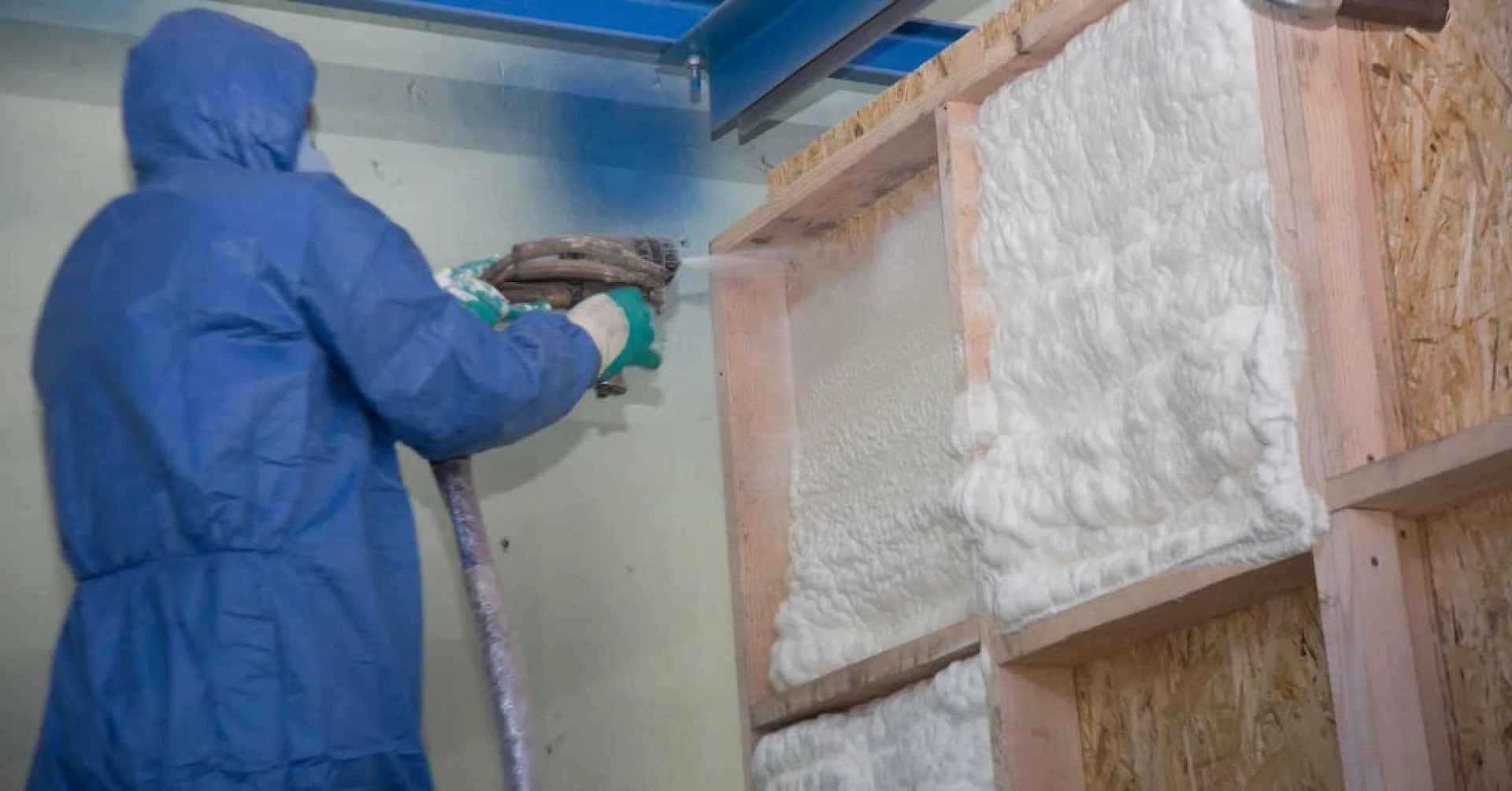
Switching to spray foam insulation expert provides an immediate improvement in home comfort and a significant reduction in energy usage by solving the primary cause of thermal inefficiency: air leakage. While traditional insulation materials primarily resist heat transfer through fibers, spray foam expands to create a solid, airtight barrier that seals every crack and gap in the building envelope. This dual action stops conditioned air from escaping and prevents unconditioned outdoor air from entering, allowing the home to maintain a stable interior temperature with minimal effort from the heating and cooling system.
Homeowners often switch to spray foam because it addresses issues that other materials cannot fix, such as drafty rooms, inconsistent temperatures between floors, and high humidity levels. By creating a sealed environment, spray foam eliminates the thermal bridges and air leaks that force HVAC units to run constantly. Industry data consistently shows that a well-sealed building envelope is the most effective way to lower utility costs and extend the lifespan of mechanical equipment.
The Problem with Traditional Insulation
To understand why switching is beneficial, one must look at the limitations of standard materials. Fiberglass batts and blown-in cellulose function like a wool sweater; they hold warmth by trapping pockets of air. However, just like a sweater, they offer little protection against the wind. If air moves through the wall cavity or attic, it strips away the heat stored in the insulation, rendering the R-value largely ineffective.
Most homes built with traditional materials suffer from the "stack effect." This phenomenon occurs when warm air rises and escapes through small holes in the ceiling and attic. This escaping air creates a vacuum that sucks outdoor air in through the lower levels of the house. This constant cycle of air exchange forces the HVAC system to condition new air continuously, wasting energy and money.
The Air Sealing Advantage
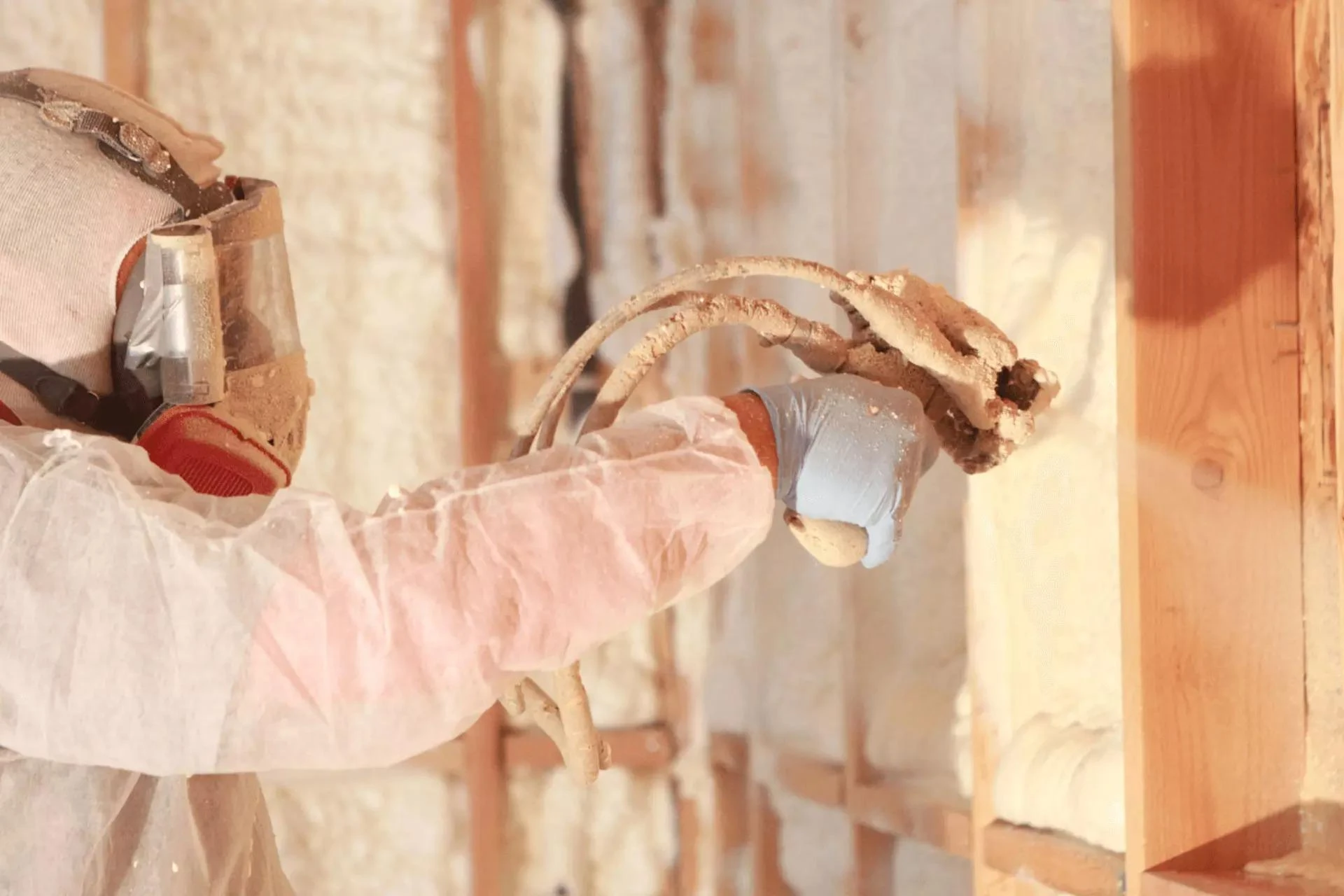
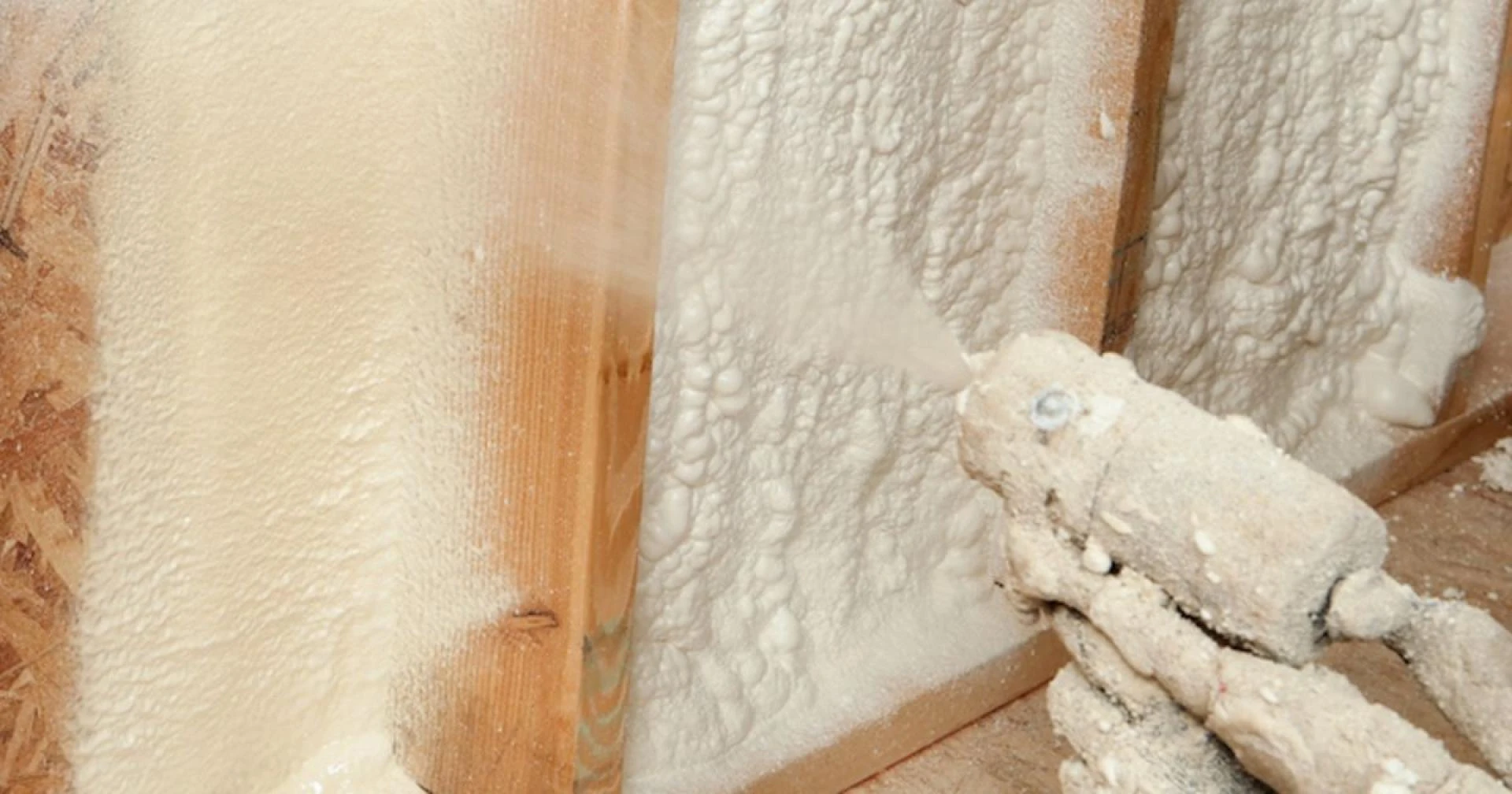
Spray foam acts as a windbreaker rather than just a sweater. When applied, it expands up to 100 times its liquid volume, filling voids around electrical outlets, plumbing pipes, and framing joints. This expansion creates a custom-fitted seal that stops air movement entirely.
By stopping the stack effect, the home retains the air that has already been paid for. This leads to immediate savings. The U.S. Environmental Protection Agency (EPA) estimates that homeowners can save an average of 15% on heating and cooling costs by air sealing their homes and adding insulation in attics, floors over crawl spaces, and accessible basement rim joists. In older homes with significant leaks, these savings can be even higher.
Improvements in Daily Comfort
Energy savings are often the primary motivation for switching, but the daily comfort benefits are what residents notice most. A home insulated with spray foam does not experience the sharp temperature fluctuations common in drafty houses.
Eliminating Hot and Cold Spots
In many two-story homes, the upstairs is significantly hotter than the downstairs in the summer. This is usually due to heat radiating through the roof and hot air rising from below. Spray foam applied to the roof deck prevents this radiant heat transfer and seals the upper envelope. This results in a temperature difference of only a few degrees between floors, making every room usable year-round.
Humidity and Moisture Control
For homes in humid climates like South Florida, controlling indoor moisture is a constant battle. Excess humidity makes the air feel sticky and warm, prompting residents to lower the thermostat even further. Open-cell and closed-cell spray foams help manage this latent load. Closed-cell foam, in particular, acts as a vapor barrier that stops humid outdoor air from penetrating the walls.
Noise Reduction Capabilities
An often unexpected benefit of spray foam is a quieter home. The same airtight seal that blocks drafts also dampens sound waves. Open-cell foam is excellent at absorbing noise from traffic, neighbors, or heavy rain. This creates a more peaceful indoor environment, adding to the overall sense of comfort.
Comparing Spray Foam to Other Materials
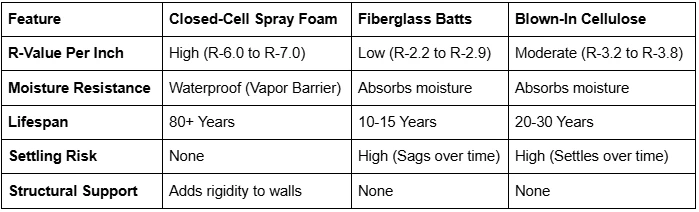
Making an informed decision requires a direct comparison of how spray foam stacks up against the alternatives. The following table outlines the key performance differences that justify the switch.
Things to Consider Before Making a Decision
While the benefits are clear, homeowners must weigh several factors before scheduling an installation. The initial cost of spray foam is higher than fiberglass or cellulose. However, when calculating the return on investment, one must factor in the monthly energy savings and the reduced wear on the HVAC system.
The Application Process
Spray foam is a chemical product that requires professional application. It involves mixing two liquid components at a precise temperature and pressure. During the application and curing process, the material releases gases. Residents typically need to vacate the home for 24 to 48 hours to ensure safety. This requires some logistical planning compared to laying down fiberglass rolls, which can be done while the house is occupied.
Ventilation Requirements
Because spray foam seals the house so effectively, natural ventilation through cracks is eliminated. This is great for efficiency but means that the home must rely on mechanical ventilation to ensure fresh air exchange. A professional contractor will assess the existing HVAC system to determine if a fresh air intake or energy recovery ventilator (ERV) is needed to maintain healthy indoor air quality.
Bonus Tip: Check Your Roof Warranty
If applying spray foam to the underside of a roof deck, homeowners should check their shingle warranty. Most modern manufacturers accept unvented attic assemblies, but it is always wise to verify that the specific shingle brand covers this application method.
Regional Guidance for Hot Climates
In regions with intense solar heat, such as Jupiter, FL, the attic can become a superheated oven that radiates heat down into the living space. Ductwork running through these hot attics loses cooling energy before it ever reaches the vents.
By moving the insulation boundary from the attic floor to the roof deck with spray foam, the attic becomes a "semi-conditioned" space. It stays much closer to the temperature of the living area. This protects the ductwork and significantly reduces the cooling load. For Florida homeowners, this specific application is often the most effective way to cut summer cooling bills.
Impact on Resale Value
Homes with high-performance insulation and documented low energy bills are increasingly attractive to buyers. An energy-efficient home is viewed as a modern, well-maintained property, potentially increasing its resale value and marketability.
Questions People Ask About Switching to Spray Foam
Is spray foam insulation safe for my family and pets?
Yes, once the foam has fully cured (usually within 24 to 48 hours), it is inert and safe. It does not off-gas harmful chemicals after the curing period is complete. Professional installers follow strict safety protocols during application to protect the home and its occupants.
How long does spray foam insulation last?
Spray foam is a permanent solution. Unlike fiberglass, which can sag, or cellulose, which settles over time, spray foam maintains its shape and performance for the life of the building. It typically does not need to be replaced or replenished.
Will spray foam trap moisture inside my walls?
Properly installed spray foam manages moisture effectively. In humid climates, closed-cell foam prevents outdoor moisture from entering. In other climates, the system is designed to allow the wall to dry to the interior. A qualified contractor will choose the right foam density for the specific climate zone.
Can I install spray foam myself to save money?
DIY spray foam kits exist for small projects like sealing around a window, but they are not suitable for whole-home insulation. The chemical mixing requires precise equipment to ensure the foam cures correctly. Improper application can lead to odors, poor insulation, and costly removal.
Does spray foam attract pests?
No, spray foam offers no food value to insects or rodents. Because it seals the tiny cracks and holes that pests use to enter the home, it actually acts as a deterrent against infestation. Unlike fiberglass, it does not provide soft nesting material for mice.
Conclusion
Switching to spray foam insulation offers a comprehensive solution for homeowners seeking better comfort and lower energy costs. By creating a continuous air barrier, it solves the fundamental problems of heat loss and air leakage that traditional materials cannot address. The result is a home that stays cooler in summer, warmer in winter, and quieter year-round. While the upfront investment is higher, the long-term savings on utility bills and the extended lifespan of HVAC equipment make it a financially sound decision. Evaluating the specific needs of the property and choosing a qualified professional ensures that the transition to spray foam delivers lasting value.
Contact for Professional Assistance
For homeowners in Jupiter and South Florida looking to improve their home's efficiency, All in Overhall offers expert consultation and installation services. They provide detailed assessments to determine the best insulation strategy for local climate conditions.
Interested individuals can reach the team by phone at (561) 406-3835 to schedule a site visit. Alternatively, inquiries regarding quotes or specific product questions can be sent via email to [email protected].
Author: Richard Hall founded ALL IN OVERHALL, Your Local Spray Foam Insulation Company in Jupiter, FL, on January 3, 2022, to offer honest and reliable insulation services across South Florida. He focuses on clear communication and careful workmanship to improve comfort and reduce energy costs. His team helps homeowners and businesses create spaces that stay cooler and more efficient year-round.
Reviewer: Lucas Mitchell has 6 years of experience in spray foam insulation. He reviewed this article and helped refine the ideas to strengthen the brand's presence and reach homeowners seeking reliable insulation.