We rarely think about our lungs until breathing becomes uncomfortable. Yet, our lungs work nonstop, supplying oxygen to every part of the body. Pollution, smoking, an inactive lifestyle and frequent infections can slowly affect lung capacity and overall respiratory health. But do you know what the good thing is? Small, consistent habits can make a noticeable difference over time.
Why Lung Health Deserves More Attention
Healthy lungs support better energy levels and improved immunity. On the other hand, poor lung function can lead to breathlessness, fatigue and frequent respiratory issues. While serious conditions need medical care, daily lifestyle choices also play a major role in maintaining strong lungs.
1. Practice Deep Breathing Exercises
Deep breathing helps expand the lungs and improve oxygen exchange. Techniques such as diaphragmatic breathing or pursed-lip breathing can strengthen respiratory muscles and reduce shortness of breath. Just 5-10 minutes a day can help your lungs work more efficiently.
2. Stay Physically Active
Regular physical activity encourages deeper breathing, which helps clear airways and improves lung capacity. Walking, cycling, swimming or light yoga are excellent options. You don't need intense workouts; consistency matters more than intensity.
3. Reduce Exposure to Pollutants
Air pollution is a major enemy of lung health. Whenever possible:
- Avoid outdoor activities during high-pollution hours
- Use masks in heavily polluted areas
- Keep indoor air clean with proper ventilation
These small steps can reduce the burden on your lungs.
4. Quit Smoking & Avoid Passive Smoke
Smoking damages lung tissue and reduces the lungs' ability to clean themselves. Quitting smoking is one of the most powerful steps to protect respiratory health. Avoiding involuntary smoking is equally important, especially for children and older adults.
5. Eat Food That Supports Lung Function
A balanced diet rich in antioxidants can help reduce inflammation in the lungs. Include fruits, vegetables, nuts and food rich in omega-3 fatty acids. Staying hydrated also helps keep mucus thin, making breathing easier.
6. Don't Ignore Persistent Symptoms
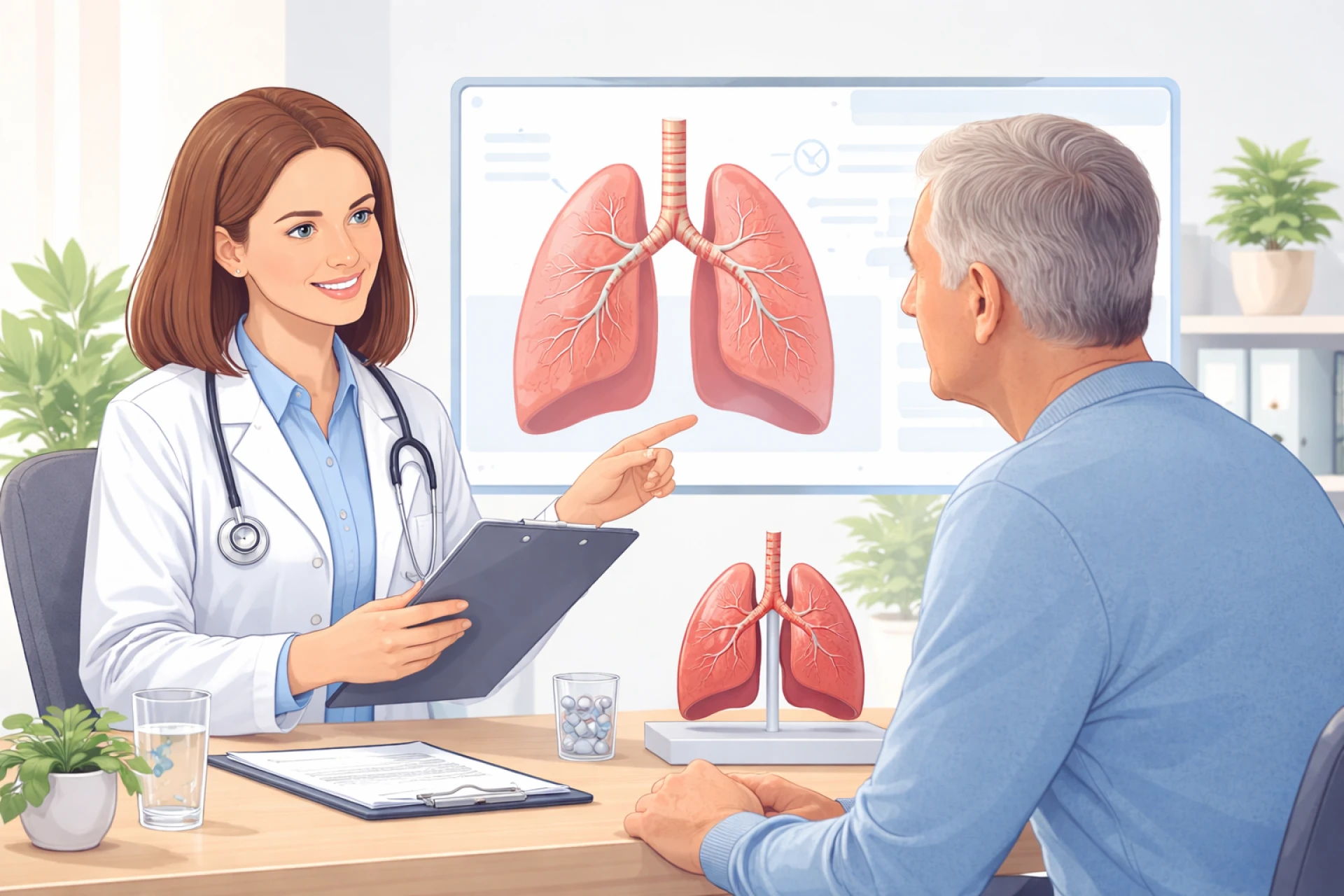
Occasional breathlessness is normal, but frequent coughing, wheezing, chest tightness or shortness of breath should not be ignored. Early medical consultation can prevent minor issues from becoming serious problems.
Conclusion
Your lungs are remarkably resilient, but they need care and attention. By adopting simple habits like breathing exercises, physical activity, clean air practices and timely medical advice, you can support healthier breathing for years to come.
If you are looking for expert guidance on respiratory health or want to learn more about improving lung function, you should consider consulting a pulmonologist doctor near me or consider visiting the best pulmonology clinic in India.