
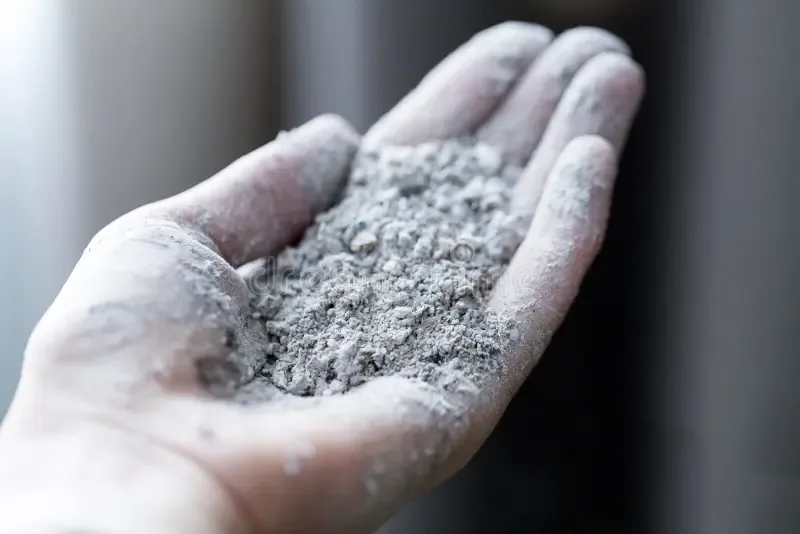
Silica dust is one of the most dangerous airborne hazards found in many workplaces, yet it often goes unnoticed because it is invisible to the naked eye. Every day, thousands of workers are exposed to respirable crystalline silica while cutting, grinding, drilling, crushing, or polishing common construction and manufacturing materials. Although the dust may seem harmless at first, repeated exposure can cause permanent damage to the lungs and significantly increase the risk of life-threatening diseases.
For employers, silica dust is more than just a workplace health issue. It affects employee wellbeing, productivity, legal compliance, and overall business reputation. Understanding where silica dust comes from, the risks it presents, and the available control measures is essential for creating a safer work environment.
This article explores the dangers of silica dust and explains how air purification can support a healthier workplace as part of a comprehensive dust control strategy.
What Is Silica Dust?
Silica is a naturally occurring mineral found in many common construction and industrial materials. It exists in products that many businesses handle every day, including:
- Concrete
- Bricks
- Cement
- Sandstone
- Granite
- Tiles
- Mortar
- Asphalt
- Engineered stone
- Natural stone
Silica itself is not dangerous when it remains intact inside these materials. The problem begins when they are cut, drilled, polished, crushed, ground, or demolished. These activities release tiny particles known as respirable crystalline silica (RCS).
These particles are approximately 100 times smaller than a grain of sand. Because they are so fine, they remain suspended in the air for long periods and can travel throughout indoor spaces before eventually settling.
Workers often breathe them in without even realising it.
Why Is Silica Dust So Dangerous?
Unlike larger dust particles that become trapped in the nose or throat, respirable crystalline silica travels deep into the lungs.
Once inhaled, these particles become lodged in lung tissue where the body cannot remove them effectively. Repeated exposure causes inflammation and permanent scarring, reducing the lungs' ability to absorb oxygen over time.
The damage accumulates gradually.
Many workers feel completely healthy while exposure continues, only developing symptoms years later when the disease has already progressed.
Because there is currently no cure for silica-related diseases, prevention remains the most effective solution.
Health Risks Associated with Silica Dust
Long-term exposure to respirable crystalline silica has been linked to several serious illnesses.
Silicosis
Silicosis is perhaps the best-known disease caused by silica exposure.
It develops when scar tissue forms inside the lungs, making breathing increasingly difficult.
Symptoms include:
- Persistent coughing
- Shortness of breath
- Chest pain
- Fatigue
- Reduced exercise tolerance
Silicosis is irreversible and can continue worsening even after exposure stops.
Lung Cancer
Respirable crystalline silica has been classified as a human carcinogen.
Workers exposed over many years have a significantly higher risk of developing lung cancer, especially when combined with smoking.
Chronic Obstructive Pulmonary Disease (COPD)
Silica exposure contributes to chronic bronchitis and emphysema, both forms of COPD.
Employees may experience:
- Wheezing
- Difficulty breathing
- Chronic cough
- Frequent respiratory infections
Kidney Disease
Research has found associations between long-term silica exposure and kidney damage.
Although less widely recognized than respiratory illnesses, kidney disease can become another serious consequence of prolonged exposure.
Autoimmune Disorders
Some studies have also linked silica dust with autoimmune conditions such as:
- Rheumatoid arthritis
- Scleroderma
- Lupus
While researchers continue investigating these connections, minimizing exposure remains the safest approach.
Industries Most at Risk
Silica dust is present in far more industries than many employers realize.
High-risk workplaces include:
Construction
Construction workers regularly cut concrete, bricks, blocks, and tiles, creating significant quantities of airborne silica dust.
Stone Fabrication
Workers manufacturing kitchen benchtops and engineered stone products often experience extremely high silica exposure during cutting and polishing processes.
Mining and Quarrying
Excavation, crushing, blasting, and material handling continuously release silica-containing dust into the workplace.
Manufacturing
Factories producing concrete products, ceramics, glass, and stone materials can all generate airborne silica.
Civil Infrastructure
Road construction, tunnelling, bridge projects, and demolition work frequently disturb silica-containing materials.
Landscaping
Tasks such as paving, stone cutting, and concrete removal also produce respirable dust.
Why Employers Should Be Concerned
Ignoring silica dust affects more than employee health.
Businesses may also experience:
- Higher workers' compensation claims
- Increased sick leave
- Lower productivity
- Employee turnover
- Regulatory penalties
- Damaged reputation
- Increased insurance costs
Healthy employees are generally more productive, motivated, and engaged.
Protecting workplace air quality is therefore both a legal responsibility and a sound business decision.
Why Dust Isn't Always Visible
One of the greatest challenges with silica dust is that dangerous concentrations often cannot be seen.
Larger dust particles settle quickly.
Respirable crystalline silica behaves differently.
These microscopic particles remain airborne for hours, especially indoors where ventilation is limited.
Even when a workplace appears clean, invisible dust may still be circulating throughout the building.
This is why relying solely on visual inspection is not an effective way to assess exposure.
Controlling Silica Dust: The Hierarchy of Controls
Managing silica dust requires a combination of engineering, administrative, and personal protective measures.
No single solution completely eliminates exposure.
1. Eliminate the Hazard
Whenever practical, use alternative materials containing less crystalline silica.
Although not always possible, substitution remains the most effective control.
2. Use Wet Cutting Methods
Applying water during cutting and grinding significantly reduces airborne dust by preventing particles from becoming airborne.
Wet methods are widely recommended across construction and manufacturing industries.
3. Local Exhaust Ventilation
Dust extraction systems positioned close to the source capture particles before they spread through the workplace.
These systems are particularly effective for stationary equipment.
4. Air Purification
Even with source capture systems, some airborne particles often remain.
Air purifiers equipped with high-efficiency particulate air (HEPA) filters help remove fine airborne dust from indoor environments.
Rather than replacing dust extraction, they provide an additional layer of protection by continuously filtering circulating air.
This helps lower overall airborne particle concentrations and improves indoor air quality for workers.
5. Administrative Controls
Employers should also:
- Restrict access to dusty work areas
- Rotate workers where appropriate
- Schedule high-dust tasks carefully
- Maintain equipment
- Conduct regular cleaning
- Avoid dry sweeping
- Provide employee training
6. Personal Protective Equipment (PPE)
Respirators should be selected, fitted, and maintained correctly.
However, PPE should never be the primary method of dust control.
Engineering controls should always come first.
The Role of Air Purification
Air purification has become increasingly important in workplaces where fine airborne dust cannot be completely eliminated.
Unlike ordinary ventilation systems, modern air purifiers are specifically designed to capture microscopic particles suspended in indoor air.
Many industrial air purification systems include:
- Multi-stage filtration
- Pre-filters
- High-efficiency HEPA filters
- Large airflow capacity
- Continuous air circulation
These systems continuously remove airborne contaminants that remain after other control measures have been implemented.
Benefits of Air Purification in Dusty Workplaces
Adding air purification to an existing dust management program offers several benefits.
Cleaner Indoor Air
Air filtration continuously reduces airborne particle levels throughout occupied spaces.
Reduced Secondary Dust
Dust that remains suspended eventually settles onto machinery, work surfaces, shelving, and floors.
Removing particles from the air helps reduce ongoing contamination.
Better Employee Comfort
Cleaner air often results in fewer complaints about:
- Dusty environments
- Irritated eyes
- Dry throats
- General discomfort
Improved Housekeeping
Less airborne dust means less accumulation on equipment and building surfaces, making cleaning easier.
Support for Compliance
Although air purification alone does not guarantee regulatory compliance, it supports broader workplace health and safety efforts.
Choosing an Air Purification System
Not every air purifier is suitable for industrial dust.
When evaluating systems, employers should consider:
HEPA Filtration
High-efficiency filters are capable of capturing extremely small airborne particles.
Airflow Capacity
Larger spaces require higher airflow rates to circulate sufficient air throughout the building.
Continuous Operation
Industrial workplaces often require equipment capable of operating for extended periods.
Maintenance
Regular filter replacement and servicing ensure the system continues operating efficiently.
Room Size
Air cleaners should be correctly sized according to the workplace volume and level of dust generation.
Building a Culture of Prevention
Technology alone cannot eliminate silica exposure.
Successful workplaces combine engineering controls with education and awareness.
Employees should understand:
- Where silica dust comes from
- Why it is dangerous
- Safe work procedures
- Correct equipment usage
- Cleaning practices
- Proper respirator use
Regular training reinforces safe behaviours and encourages workers to report dust-related concerns before they become serious problems.
The Long-Term Value of Prevention
Investing in dust control delivers benefits well beyond regulatory compliance.
Employers who prioritize indoor air quality may experience:
- Healthier employees
- Improved morale
- Reduced absenteeism
- Lower healthcare-related costs
- Better operational efficiency
- Stronger workplace reputation
Most importantly, they help protect workers from illnesses that are entirely preventable.
Final Thoughts
Silica dust is an invisible hazard that poses a very real threat to workers across construction, manufacturing, mining, stone fabrication, and many other industries. Because respirable crystalline silica particles are microscopic, employees may unknowingly inhale them day after day, allowing permanent lung damage to develop over time.
Creating a safer workplace requires more than simply providing respirators. Effective silica dust management combines source control, ventilation, good housekeeping, worker education, and appropriate air purification to reduce airborne particles and improve indoor air quality.
While no single solution can eliminate silica dust entirely, a comprehensive approach significantly lowers exposure and helps employers protect the health of their workforce. By investing in proactive dust control measures today, businesses not only support compliance with workplace health and safety requirements but also demonstrate a lasting commitment to employee wellbeing and a safer working environment for everyone.